

Running a business has always been tricky. You require solid planning, good communication, creativity, and the ability to make quick decisions. But speed decides many things. Customers need answers now, not later. Teams have to work together even if they aren’t in the same room and more.
That’s where smart digital tools step in. From project management platforms to automation software and creative apps, these tools are helping organizations save time, reduce manual operations, and improve the quality of their output in tasks like social media visuals, preparing a collage design for a campaign, and more.
This article discusses why efficiency gets so much attention and explains the impact and importance of digital tools in daily business processes.
Key Takeaways
- A huge advantage of digital tools is that they automate many repeatable tasks
- Shared docs, cloud storage, chat apps, dashboards, everyone stays connected, no matter where they plug in
- Modern platforms include templates, easy drag-and-drop features, brand kits, and even AI design suggestions
- Managers can spot overloaded projects, freelancers can log hours, and teams can dodge another pointless meeting with quick async updates
Efficiency isn’t just about moving quickly. It’s about working smarter, making the most of your time, energy, and resources. A team can hustle nonstop, but if they’re pressured by repetitive tasks or messy communication, they may not be getting much done.
Imagine a small marketing team pursuing a product launch. If they’re tracking tasks in one app, sharing files somewhere else, and depending on endless emails or spreadsheets to keep up, chaos is pretty much guaranteed. Stuff gets lost, deadlines often get missed, and everyone wastes valuable time.
Now, add the right digital tools to the mix. Suddenly, deadlines, tasks, files, and feedback are all in one place. Everyone’s in the loop. People know exactly what they’re supposed to do and what’s already finished. That sort of clarity isn’t just a nice idea; it actually saves hours every single week.
A huge advantage of digital tools is what they automate. So many companies still spend way too much time on things that don’t need brainpower: chasing people for updates, filling out spreadsheets, handling appointments, even just transferring info from one tool to another.
Automation cleans all of that up. Say a customer fills in a form online, the system pulls their info into the CRM, sends a welcome note, pings the sales team, and puts a follow-up on the calendar. No manual steps. Nobody has to babysit the process.
That’s not about replacing people. It just means the humans get to spend time on the work that matters, whether that’s interacting with customers, tackling tricky problems, or coming up with new ideas.
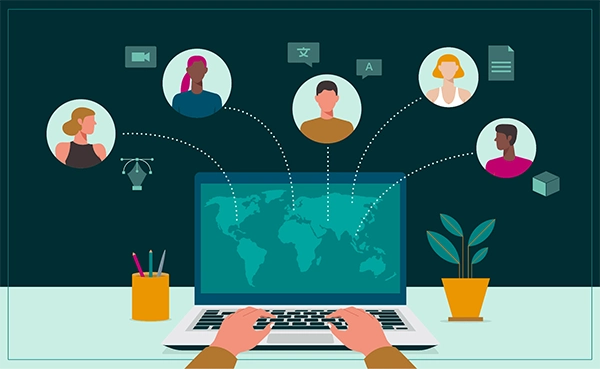
Work doesn’t always mean a desk and a whiteboard anymore. Teams might be scattered across cities, countries, and time zones. For a lot of businesses, that’s the norm. You can’t rely on hallway chats or calling everyone into one room.
Collaboration tools make that work. Shared docs, cloud storage, chat apps, dashboards, everyone stays connected no matter where they plug in.
A designer uploads a draft, a manager drops feedback, the writer cleans up the copy, and the client gets to approve the whole thing, all without a single meeting. Everything leaves a trail. You’re not digging up old emails or asking, “Who signed off on this?” You just find it, right there.
One of the best things about digital tools? All the data. Back in the day, companies ran mostly on gut instinct or slow-moving reports. Now, analytics spell out what’s working and what’s not, almost as it happens.
You can track which ads actually bring in customers, which pages on the website get the most attention, which products sell, and where people tend to drop out before buying. That means you don’t waste time guessing you try something, check the numbers, and fix what’s broken.
If you see shoppers add stuff to their cart but never check out, you don’t have to guess why. Maybe your shipping fees pop up too late, your payment options are too limited, or the checkout just takes forever. The data shows you the problem so you can actually solve it.
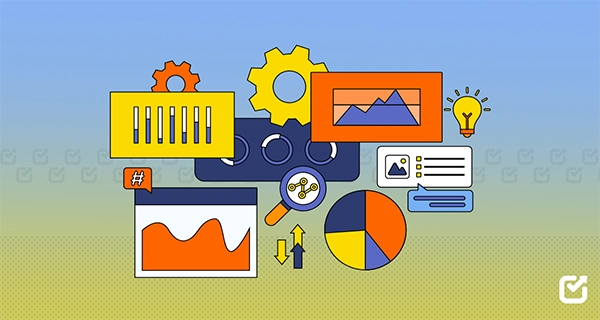
Not every business has a pro designer (or team of them) ready to jump in at a moment’s notice. Small businesses and startups usually have to get creative, literally. The good news? Digital tools make design almost anyone’s game now.
Modern platforms include templates, easy drag-and-drop features, brand kits, and even AI design suggestions. That means you can get better social media graphics, flyers, ads, presentations, and email images completed without waiting a long time or blowing your budget.
If a small cafe wants to push a new menu, it can create all the visuals independently and move faster. Basically, digital tools have leveled the creative playing field.
Customer service, this is where expectations are sky high. People want quick, clear answers whether they reach out by chat, email, social, or a contact form. Digital tools keep it all together. Platforms organize tickets, chatbots jump in for quick questions, and a support rep can see a customer’s whole history at a glance.
So the customer isn’t requested to explain the same problem many times, and the team can move on to spot bigger patterns. If everyone keeps running into the same issues, it’s time for a better FAQ, a tweak to the website, or clearer instructions.
Fun Fact
The use of automation to instantly upload files, add data to spreadsheets, or send Slack messages is among the most commonly automated tasks used by businesses every single day.
Time’s probably the biggest resource a business has, and with the right tools, you can finally see where it goes. Calendar apps, task trackers, and progress boards show what’s getting done (and what’s getting dropped).
Managers can spot overloaded projects, freelancers can log hours, and teams can dodge another pointless meeting with quick async updates.
When people are provided with clarity and don’t need to context-switch every time, stress reduces, deadlines are easier to complete, and the work turns out better.
Let’s be honest, not every tool is a winner. Some businesses overload on software and create more headaches than they had before. The trick? Be picky. Pick tools that actually solve your real problems.
Ask yourself: What are we trying to fix? Will this tool actually save us time, or just layer on more steps? Can everyone pick it up quickly? Does it work with what we’re already using? Will it still fit when we grow?
Sometimes, one simple app that solves the right problem is worth way more than five fancy platforms nobody understands.
You can have all the flashy apps, but if nobody knows how to correctly use them, you’re just wasting money. People need a chance to learn new tools, and that doesn’t mean long seminars.
Job aids, quick how-to videos, and some shared templates can help out a ton. Assign somebody to answer questions as new tools roll out, and things end up even smoother.
When people feel comfortable with the tech, they’re more likely to stick with it, and that’s when the benefits really show up.
It’s pretty easy to talk about tech and forget there are real people behind the screens. When the boring tasks fade away and work gets clearer, people are less likely to burn out. Employees can focus on work that matters. Managers make decisions with real info, not guesswork.
Customers get answers almost right away. Business owners can spend more time growing their company, not sweating the small stuff.
So it’s not just about efficiency. Digital tools make work feel better.
Smart digital tools are speeding up organizations, but that’s only part of the whole story. They enhance teamwork, cut down on busy work, make creative and strategic work possible for everyone, allowing companies to make better calls.
It’s not about including every new tool. It’s about selecting tools that fit, using them well, and building workflows that truly help. As tech keeps changing, these tools will keep shaping how we work.
The real goal is simple: less chaos, more focus, better results for everyone.
