
Sustainability was just a term that was often overlooked and always kept in a side department with a modest budget, and lots of good thoughts. But now it’s showing up in boardrooms, supply chains, software dashboards, and hiring plans. And if you are wondering about where business and tech are using it now, this thing might need your attention. Companies really want people who can actually read emissions data, understand regulations, and still talk in plain English about profit, risk, and long-term strategy.
A few years ago, many people thought sustainability roles were a corporate accessory. Nice to have, easy to cut. That attitude has shifted fast.
Businesses now get pressure from investors, customers, regulators, and employees to prove they’re serious about environmental and social impact. It’s not enough to post a leafy mission statement and call it a day. Leaders require measurable plans, clean reporting, and practical systems.
That change has created demand for professionals who understand operations, finance, compliance, and environmental strategy at the same time. You’re not looking at one job title either. Roles now involve sustainability analyst, ESG specialist, supply chain strategist, carbon accounting manager, and climate risk consultant.
The quite interesting part is how cross-functional the work has become. If you can connect business performance with sustainability metrics, you’re already speaking a language many companies are still learning.
Because sustainable business fits at the intersection of multiple disciplines, self-teaching only gets you so far. You can absolutely learn a lot from work experience, certifications, and industry reports. Still, formal education can help you build structure around a field that changes immediately.
Structured graduate study is where that grounding usually comes from, and a Master’s in Sustainable Management gives that preparation a clear shape.
A good program should cover more than environmental theory. You want exposure to management strategy, finance, corporate responsibility, policy, operations, and data interpretation. The best preparation teaches you how sustainability decisions play out in real organizations, not just on classroom slides.
That matters when you are asked to weigh cost against impact, assess a supplier problem, or explain reporting priorities to leadership. Those situations require judgment, not recycled buzzwords.
If you are thinking about a long-term career in this area, education can also help signal credibility. Employers usually look for candidates who understand both systems thinking and business execution.
Sustainability work has become deeply connected to technology. You can’t handle what you can’t measure, and companies are finally taking that old line seriously.
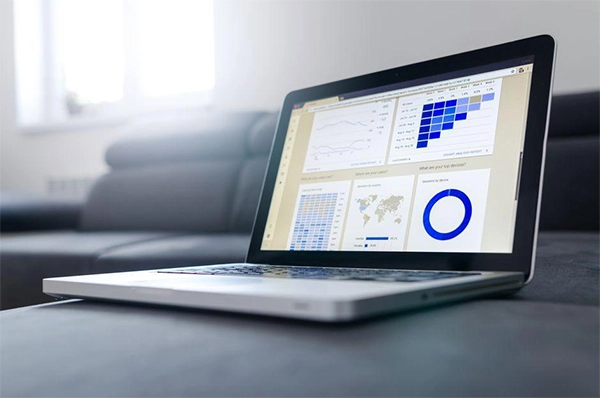
Organizations now use software platforms to monitor energy use, supplier emissions, waste streams, water consumption, and labor practices. Dashboards pull data from multiple systems, then turn it into reporting that executives can genuinely use. That may not sound exciting, but clean data is the difference between strategy and guesswork.
If you step into this field, you may work with tools such as:
You don’t need to be a hardcore developer to survive here. Still, being comfortable with analytics, digital workflows, and process automation gives you an advantage. Spreadsheet chaos is slowly losing the fight, and honestly, it had a good run.
A lot of companies once thought sustainability reporting was a polished annual side project. That era is fading.
Governments and regulatory bodies are tightening disclosure expectations around emissions, governance, supply chains, and climate-related risks. Investors also need more than broad promises. They want comparable metrics, consistent frameworks, and evidence that leadership understands exposure to environmental and social disruptions.
For you, that means sustainability careers now include real accountability. Professionals in this space may need to know reporting frameworks, audit readiness, internal controls, and jurisdiction-specific regulations. It’s part strategy, part compliance, and part detective work.
This is also impacting smaller businesses. Even if they aren’t directly regulated, large partners usually require detailed supplier data. One company’s policy can become another company’s paperwork avalanche.
People who know how to build systems that thrive under these demands aren’t just useful. They become difficult to replace.
Some of the best opportunities in sustainable business don’t live in one neat corner of an organization. They sit between teams.
You may work with finance on ESG disclosures, operations on efficiency projects, procurement on supplier standards, HR on employee impact aims, and legal on compliance. That means your value usually comes from coordination, communication, and decision support.
In practice, the work can look like this:
This cross-department role is a big reason the field attracts people who enjoy solving difficult problems. No two days are the same, and not every answer fits in a policy memo. If that sounds appealing, you’re probably wired for this kind of work.
If you’re interested in sustainable business careers, begin by building practical fluency. Learn how companies make money, how they measure risk, and where environmental or social problems affect decisions.
Read sustainability reports from big brands, but don’t stop at the glossy headlines. Check metrics, targets, supplier notes, and governance structures. Pay attention to how organizations describe setbacks. That’s actually more revealing than the wins.
You can also strengthen your profile by focusing on skills that transfer well:
Internships, project work, and case competitions can let you test the field before making bigger commitments. If you enjoy connecting difficult data with real-world business choices, sustainable management provides a path with substance, momentum, and room to grow. It’s no longer a side conversation. It’s becoming part of how serious companies function.
Ans: The following are ways to strengthen your profile:
Ans: Organizations now use software platforms to measure energy use, supplier emissions, waste streams, water consumption, and labor practices. Dashboards gather data from multiple systems, then turn it into reporting that executives can actually use.
Ans: Governments and regulatory bodies are tightening disclosure expectations around emissions, governance, supply chains, and climate-related risks.
