

“It takes 20 years to build a reputation and five minutes to ruin it.”
– Warren Buffett (Investor & Philanthropist)
This principle is especially relevant today. In present times, a prospect can form an opinion about a business without ever speaking to its team. A quick search can surface star ratings, customer reviews, testimonials, and responses to complaints, all of which become part of the buying decision. Brand reputation management helps businesses shape this first impression by keeping feedback visible, current, and credible. More importantly, it turns reputation from something companies simply watch into a source of insight that can improve customer experience, strengthen trust, and support conversions.
Prospects usually form opinions before speaking with a brand’s representative, visiting a location, or requesting a quote. Search listings, star ratings, customer comments, and testimonials create an early picture of business quality. Now the reputation is also affected by what AI says about your business. That image can attract attention or create doubt within seconds. A disciplined reputation process helps companies present recent, accurate evidence across their public channels. It also reveals service concerns, operational strengths, and buying factors that may remain hidden inside standard sales accounts.
Prospects usually scan several signals before making contact. Search placement matters, yet visible ratings and review wording often carry greater emotional weight. Companies cannot control every published comment, but they can influence the volume, freshness, and balance of available information. Brand reputation management services support review monitoring, feedback collection, response tracking, and reporting. These jobs give potential buyers a clearer basis for judging service quality before a conversation begins.
Star ratings furnish a quick quality signal, while written reviews supply useful detail. Readers may look for comments about appointment timing, staff conduct, product performance, communication, or problem resolution. A high star rating attracts attention, but explanatory experiences often determine whether readers trust the business. Recent feedback matters more than praise published years earlier, especially for companies that have changed personnel, locations, pricing, or service procedures.
A review profile can lose leverage when activity stops. New comments show that customers keep interacting with the business. They also give searchers a more accurate view of present service conditions. Companies can request feedback after meaningful exchanges, such as completed purchases, resolved support cases, or finished appointments. Timing matters because people remember details more clearly soon after an experience.
Multi-location firms often manage public feedback unevenly. One branch may request comments regularly, while another checks ratings only after receiving a complaint. Central reporting brings review volume, response activity, survey scores, and recurring problems into one view. Leadership can compare locations, identify weak participation, and share effective practices. This structure also prevents local problems from remaining hidden until they start affecting broader perception.
Customer feedback is highly important:
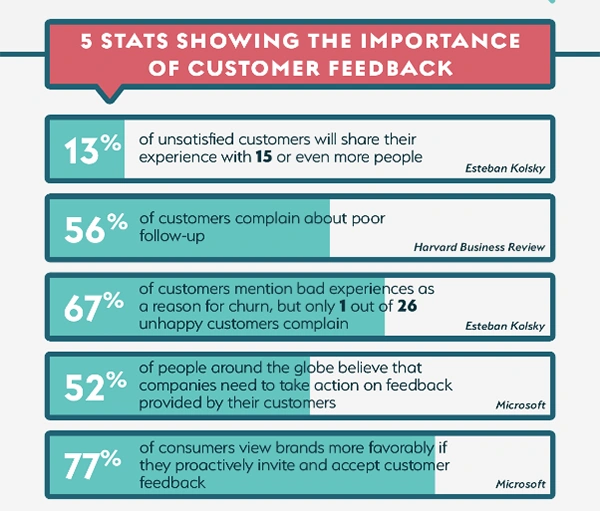
Public reviews exhibit visible opinions, but private surveys can explain the reasons behind them. A low score might reflect scheduling delays, unclear billing, poor communication, or a single employee interaction. Internal feedback gives managers an earlier signal. Teams can examine dissatisfaction before frustration becomes a public complaint. That sequence supports better recovery, sharper training, and more accurate reporting about service performance.
A business response becomes part of the prospect’s first impression of the brand. Brief, respectful language can show attention and accountability. Defensive wording may intensify concern, even if the original complaint appears unreasonable. Staff needs clear direction about tone, privacy, escalation, and follow-up. A useful reply acknowledges the experience, avoids unsupported claims, and moves sensitive details into a private channel without appearing evasive.
Promotional claims gain credibility when customers support them through detailed experiences. Testimonials, strong ratings, and recurring praise can reinforce statements about reliability, responsiveness, or technical expertise. Published stories also help prospects envision a likely interaction. Businesses should request permission before using identifiable material. Authentic wording matters because heavily edited praise can sound artificial and weaken confidence rather than strengthen it.
Reputation data can show patterns that sales reports overlook. Leaders may find that one location earns stronger service scores, receives more referrals, or gains reviews at a higher rate. Those findings can guide staffing, coaching, and process changes. Regular comparisons indicate whether new procedures improve sentiment. Results become more useful when teams examine volume, timing, rating distribution, and written themes together.
Central management protects shared standards, while local input keeps responses relevant. A practical program can provide common survey questions, reporting rules, escalation steps, and reply guidance. Branch teams may still add context about community demands, staffing conditions, or unusual service events. Clear ownership prevents missed alerts, duplicate work, and contradictory messages. Managers should know who monitors feedback, who responds, and who approves corrective action.
A good first impression does not guarantee a sale, but it can remove an early barrier. Prospects who see recent reviews and thoughtful replies may feel more comfortable requesting information. Strong public evidence can shorten the research process, facilitate referrals, and give sales representatives a credible starting point. Negative patterns can have the opposite effect, especially when complaints go unanswered or recur.
What prospects witness first often reflects customer experiences collected long before a sales conversation happens. Reviews, ratings, responses, and testimonials shape expectations through visible evidence. Businesses that monitor these signals can identify service cracks, support local teams, and present credible proof across every location. A structured reputation process protects public perception while improving operational judgment. It helps companies earn attention, build trust, and create better conditions for enduring customer relationships.
