
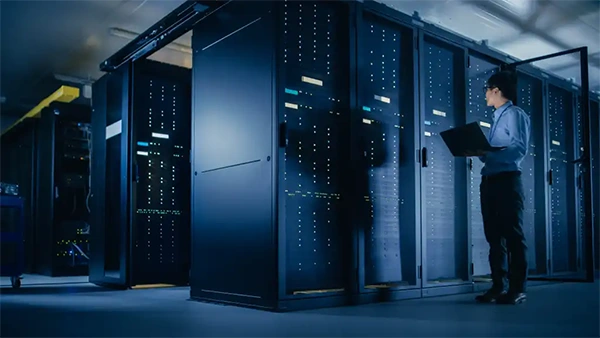
Every time a video is streamed, an email is sent, or a query is received by an AI model, a machine somewhere executes those commands. These data centers are often forgotten, but are actually a massive network of physical data centers that require an immense amount of electricity to remain operational.
As our dependence on digital infrastructure increases, the conversation around how we power these facilities is shifting from a minor detail to a crucial necessity. We must dive deep into why sustainable energy production for data centers isn’t just a goal but a requirement for our collective future.
This article focuses on the physical cost of our digital habits and how everyone shares the responsibility for our digital future.
Key Takeaways
- Data centers process billions of data points every second, and as they run day and night, they pull a steady stream of power from local electrical grids
- The dual demand for computing power and heavy cooling makes data centers some of the most energy-intensive facilities on earth
- These projects end up creating thousands of high-quality, well-paying jobs for local builders, engineers, and specialized tradespeople
- By anchoring our digital world in physical green energy production, we make sure that the progress made online doesn’t come at the expense of the world we live in
Data centers are giant warehouses filled with multiple rows of servers working continuously. They process billions of data points every second, and as they run day and night, they pull a steady stream of power from local electrical grids.
But running the servers is only half the equation. All those machines packed tightly together generate a massive amount of heat. To keep them from melting down or crashing, massive cooling systems must run continuously. You can literally feel the heavy, warm exhaust humming out of these buildings if you stand outside them.
This dual demand for computing power and heavy cooling makes data centers some of the most energy-intensive facilities on earth.
In many regions, the quick expansion of these facilities is outpacing the capacity of local power grids. When a new facility opens up, it brings a sudden, massive spike in energy demand. And if that requirement is met by traditional fossil fuels, the carbon footprint of our digital lives increases manifold, silently but significantly.
What happens when the grid simply cannot give anymore? It is a scary thought, honestly.
But it is not all a story of strain. The physical expansion of these digital hubs brings undeniable real-world benefits to local communities.
The construction of a modern data center requires great efforts of human collaboration and skill. These projects end up creating thousands of high-quality, well-paying jobs for local builders, engineers, and specialized tradespeople.
This matters immensely.
I think about the boots on the ground, the early mornings, and the satisfactions gained after a hard day of work. This massive need for data center construction staffing injects vital energy into regional economies, providing steady livelihoods and fostering pride as local workforces physically construct the backbone of a global digital economy.
And that’s the point. The challenge is not about stopping progress or shutting down growth. Maybe the real challenge is just ensuring this economic boon is matched by clean energy investments.
For years, many technology companies managed their environmental impact through carbon accounting. You know how it goes. They would purchase renewable energy certificates or invest in carbon offset projects to balance out the fossil fuel energy their facilities consumed.
While this was a positive step toward funding green initiatives, it didn’t alter the physical reality of the power grid. A data center may obtain a certificate from a wind farm hundreds of miles away, but it still draws dirty energy from a local coal plant when the sun sets or the wind stops blowing.
Is a paper offset really enough to protect our physical world? It feels a bit like cheating the system, even if the intentions are good.
The true goal must shift toward matching energy usage with actual local green energy production. This means building clean energy sources directly into the regions where data centers operate. It means investing in regional solar arrays, wind farms, and geothermal plants that can physically feed clean electrons into the same grid the servers use. True sustainability requires physical transformation, not just creative accounting on a corporate balance sheet.
Fun Fact
To keep servers cool, data centers use immense volumes of water. By 2028, AI-related data centers in the U.S alone could consume up to 32 billion gallons of water annually.
One of the biggest hurdles in powering digital infrastructure with clean energy is the requirement for constant availability.
Data centers cannot experience downtime. Even a small power outage can disrupt global supply chains, take down communications, and cause major data loss. Because of this, operators rely on base load power, which is precisely the electricity that flows reliably at all times.
The grid never sleeps.
Renewable energy sources like solar and wind are intermittent. The sun sets, and weather patterns change. To close this gap, the tech industry must invest heavily in advanced energy storage solutions.
Large-scale battery storage and next-generation geothermal energy are becoming important pieces of the puzzle.
By funding and adopting such technologies, data centers can help create a grid that stays operational even when depending entirely on sustainable power. It’s an uphill battle, but it’s the one we have to win.
The call for sustainable data infrastructure cannot fall entirely on the shoulders of energy providers. Technology companies, grid operators, and local policymakers must all join forces.
When choosing where to build new infrastructure, companies must focus on regions that offer abundant access to clean energy. At the same time, governments can optimize the approval process for green energy projects that support these technological hubs.
Ultimately, the goal is to segregate our digital growth from environmental degradation. We should be able to innovate, connect, and design new technologies without straining the planet.
By anchoring our digital world in actual, physical green energy production, we make sure that the progress made online doesn’t come at the expense of the world we live in. It is about building a digital legacy we can actually be proud of.
Ans: They need access to energy at all times, as billions of data points need to be processed every minute, and those operations never stop, with even a minor power outage costing massive amounts of money and loss of critical information.
Ans: This massive need for data center construction staffing injects vital energy into regional economies, providing steady livelihoods and fostering pride as local workforces physically construct the backbone of a global digital economy.
Ans: Renewable energy sources like solar and wind are intermittent. The sun sets, and weather patterns change. To close this gap, the tech industry must invest heavily in advanced energy storage solutions.
Ans: The goal is to segregate our digital growth from environmental degradation. We should be able to innovate, connect, and design new technologies without straining the planet.
