

Business travel looks simple until the reimbursement requests, receipts, tax records, and vehicle expenses begin piling up. After a while, cracks start showing up, employees forget trips, and managers question entries, thereby creating many problems.
This is why many organizations now utilize real-time digital mileage tracking to retain operational data right as it happens, providing them with information on inventory, production, performance, and customer activity.
Here’s how digital mileage tracking closes the communication gap and allows the business to make informed choices.
A reliable mileage tracker gives businesses a practical way to convert everyday travel into structured, usable information.
So, rather than reconstructing routes after some time, employees directly record journeys. Meanwhile, finance teams receive cleaner data. Managers also gain enhanced visibility into road-based operations.
More importantly, digital tracking changes mileage from a vague expense into an operational metric. Consequently, organizations might examine –
The process gets sharper. It is about less guesswork and fewer awkward follow-ups.
Manual records rely heavily on memory. However, employees may complete several meetings, deliveries, inspections, or site visits within one working day.
In fact, even a careful person might overlook a short trip or enter an approximate distance. Over time, these tiny mistakes transform into expensive inconsistencies.
Furthermore, spreadsheet-based tracking does not always provide enough context. For instance, a row may show a date and distance. However, it might not explain –
Therefore, managers receive numbers without the operational story behind them.
| Tracking Method | Operational Strength | Common Limitation |
| Paper logbook | Simple to begin | Easy to lose, damage, or complete inaccurately |
| Spreadsheet | Flexible and accessible | Requires repetitive manual entry and checking |
| Digital mileage system | Consistent records with route context | Needs clear policies and correct configuration |
| Connected fleet platform | Broad vehicle and driver visibility | May feel excessive for smaller traveling teams |
Accurate mileage data supports more than reimbursement. For instance, recurring journeys may reveal –
Likewise, frequent travel to one location may justify –
However, collecting more information does not automatically create value. Businesses still need sensible categories and reporting rules. Otherwise, the following issues happen:
Useful tracking remains focused. It captures what supports a decision, nothing more.
Several practices might keep the process grounded:
In general, location information requires careful handling. This is because it might reveal working patterns and personal movement. Therefore, organizations should explain –
To be honest, silence creates suspicion quickly.
At the same time, employees should have a practical method for correcting misclassified journeys. Managers should also avoid constant location monitoring when mileage verification remains the actual objective. The distinction matters.
While one approach supports accountability, the other may feel intrusive without delivering meaningful operational value.
At the outset, a standalone application may solve individual recordkeeping. Nevertheless, a connected system might move approved mileage information into –
Consequently, teams avoid entering the same journey several times across unrelated platforms.
Still, integration should follow a genuine process need. In fact, connecting every tool simply because the option exists creates technical clutter.
Instead, businesses should map the journey from trip completion to approval and reimbursement. Then they might automate the slowest points.
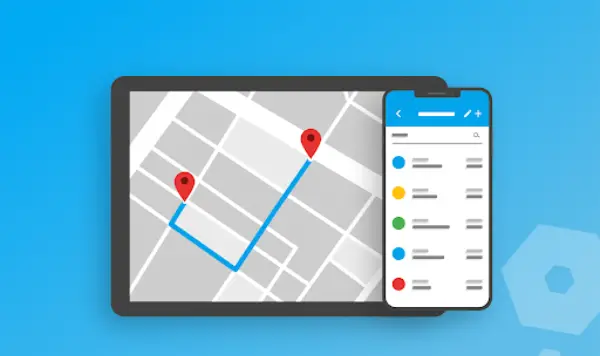
Digital mileage tracking works best when businesses treat it as a practical control rather than another surveillance tool. There must be clear policies, limited data collection, dependable classifications, and relevant integrations. This reduces administrative friction while improving reimbursement accuracy.
Ultimately, the real advantage lies in visibility. When road activity becomes measurable and properly organized, businesses must spot waste, plan routes, and support employees.
This way, they can make quicker financial decisions. Then, a routine journey stops being forgotten movement. Rather, it becomes useful operational intelligence.
Ans: The following are the practices:
Ans: A connected system moves approved mileage information into payroll, accounting, expense management, and fleet reporting workflows.
Ans: Digital mileage tracking works best when organizations treat it as a practical control rather than another surveillance tool. There must be clear policies, limited data collection, and relevant integrations.
