
Technology has essentially transformed how companies communicate with customers. Nowadays, brands do not simply place ads randomly and wait for results to show up. They utilize data, automation, and real-time analytics to understand audiences.
This has led to great advancements in the advertising process as every stage is improved along the way. Programmatic advertising allows for that to happen, making it one of the most important tools for businesses that want to grow in a competitive digital environment.
This guide explains what programmatic advertising actually is, how it works, and how you can build a strong strategy with it.
Key Takeaways
- Programmatic advertising is based on automated technology, allowing the company to buy and sell online ad inventory in real-time
- One of the core reasons why programmatic advertising is so valuable is its ability to use data intelligently
- A potential customer may find a product through a video ad, read about it later on a tech website, and finally convert after examining a retargeting banner
- As users become more aware of how their data is stored, brands must focus on responsible and compliant practices
For companies looking to enhance their advertising strategy, platforms such as SmartyAds display how automation and ad tech together can help connect advertisers, publishers, and audiences more efficiently.
Instead of only depending on manual media buying, firms can utilize programmatic tools to secure ad placements more quickly, analyze campaign performance, and reach more users across multiple digital channels.
Programmatic advertising is based on automated technology, allowing the company to buy and sell online ad inventory in real-time. When a user visits a website or opens a particular app, an ad impression can be evaluated instantly.
When that is done, advertisers are allowed to bid for that impression depending on whether the user matches their target audience better. This process happens in milliseconds, making digital advertising much faster and more precise than traditional strategies.
One of the core reasons why programmatic advertising is so valuable is its ability to use data intelligently. Marketers can target audiences depending on key factors such as interests, location, device type, online behavior, target demographic, and contextual relevance.
This allows brands to save time and avoid the wastage of budget on broad campaigns that may reach people with low interest in the product. Instead, they focus on users who are more likely to interact, click, sign up, install the app, or make a purchase.
For tech companies, this type of precision is very important. Whether a business deals in SaaS products, mobile apps, cybersecurity tools, cloud services, or consumer electronics, all of it needs to reach specific audiences.
A company may want to focus on decision-makers in a particular industry. A mobile app developer may need to reach users who have shown interest in similar apps. A tech retailer may go for retargeting visitors who viewed the product but didn’t complete the purchase.
Programmatic advertising makes these objectives easier to execute at scale.
Another huge benefit is real-time optimization. Traditional advertising campaigns usually need longer planning cycles, manual adjustments, and delayed reporting. Programmatic campaigns display live performance data, allowing advertisers to react fast.
If a specific audience segment performs better than another, more budget can be directed toward that. If a creative does not generate expected engagement, it can be replaced entirely.
If certain placements produce weak results, they can be excluded. This regular optimization helps improve returns on ad spend.
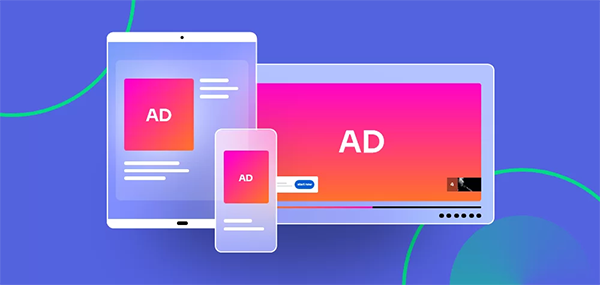
Programmatic advertising also supports multiple ad formats. Brands can run display ads, native ads, video, mobile, in-app ads, and connected TV campaigns.
This flexibility proves to be extremely important as it lets users interact with content across many devices and platforms.
A potential customer may find a product through a video ad, read about it later on a tech website, and finally convert after examining a retargeting banner. Programmatic tools assist brands in staying visible throughout this journey.
Publishers also benefit from programmatic technology. Websites, apps, and digital media platforms use supply-side tools to sell their ad inventory better.
Rather than depending only on direct sales, publishers can open their inventory to multiple demand sources. This creates more competition for ad placements and increases the chances of better revenue gains.
At the same time, publishers can maintain control over pricing, advertiser categories, and ad quality.
Fun Fact
Programmatic ads are heavily integrated into Connected TV (CTV)and Over-The-Top (OTT) streaming, meaning advertisers can dynamically serve ads on pauses or specific commercial breaks during your favourite shows.
Transparency is another important issue in digital advertising. Businesses want to be aware of where their ads appear, how much they pay, and what results are obtained. Modern programmatic platforms provide reporting tools that help advertisers understand impressions, clicks, conversions, engagement, and other important metrics.
With stronger visibility, marketers make informed decisions and reduce ineffective spending.
However, successful implementation requires a lot more than just technology. A strong strategy still holds importance. Before launching a campaign, brands must define their goals clearly. A campaign focused on brand awareness will utilize metrics, rather than a campaign focused on sales.
Awareness campaigns may focus on reach, visibility, and video completion rates. Performance campaigns tend to focus on conversions, cost per lead, or return on investment.
Creative quality is just as important as targeting. Even if an ad reaches the right user, it must still communicate value fast. Strong visuals, proper headlines, relevant offers, and well-designed landing pages can greatly enhance results.
Programmatic advertising allows marketers to test different versions, but each version should be built around a clear message and user need.
Privacy is also shaping the future of programmatic advertising. As users become more aware of how their data is stored, brands must focus on responsible and compliant practices.
First-party data, contextual targeting, consent-based tracking, and privacy-friendly measurement are becoming the baseline. Companies that respect user privacy while still delivering the same experiences do a lot better and position themselves for long-term success.
Artificial intelligence continues to influence the ecosystem as AI helps analyze large amounts of campaign data, predict user behavior, optimize bids, and improve audience segmentation.
This doesn’t indicate that marketers will become unnecessary; rather, their roles will shift toward strategy, creativity, interpretation, and ethical decision-making. Automation handles many technical operations, but human knowledge is still required to design meaningful campaigns.
For businesses that want to excel online, programmatic advertising offers speed, scalability, and smarter budget control, helping advertisers reach the right people, test ideas more quickly, and improve campaigns based on actual performance information. It also allows publishers to monetize digital content more effectively in a fast-moving market.
As digital competition increases, companies require advertising solutions that emphasize flexibility, are measurable, and data-driven. Programmatic advertising gives brands the tools to compete in this environment.
It’s not a simple trend in marketing technology. It’s becoming a standard part of how modern brands connect with audiences and drive digital growth.
Ans: For businesses that want to excel online, programmatic advertising offers speed, scalability, and smarter budget control, helping advertisers reach the right people and test ideas quickly.
Ans: Awareness campaigns focus on reach, visibility, and video completion rates, whereas performance campaigns tend to focus on conversions, cost per lead, or return on investment.
Ans: Modern programmatic platforms provide reporting tools that help advertisers understand impressions, clicks, conversions, engagement, and other important metrics.
Ans: Marketers target audiences depending on key factors such as interests, location, device type, online behavior, target demographic, and contextual relevance.
