SIM going inactive is not rare and can happen to anybody without any notice or without them knowing how it got deactivated.
The real serious problem can occur when the SIM is connected to your accounts. Things like bank account vulnerabilities become a real big threat when you can’t access your account.
It is almost a requirement to know what happened and what to do in these situations to remain safe.
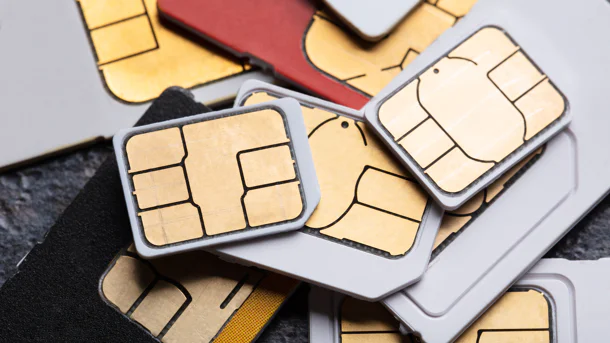
Learn which virtual solutions from services like GetTempNumber can help you prevent this situation. For more details, read this blog to know what to do in these situations.
The reasons why your number goes inactive depend on whether you use a prepaid or contract (postpaid) SIM card. In many situations, the problem happens because you violated carrier policies, a technical problem, or your own actions causing the SIM card’s disablement.
If you have not used your mobile phone account with a prepaid plan for some time, it may get dormant or even deactivated. The conditions rely on the carrier, and a SIM may get inactive for many reasons:
In many situations, your SIM is not disabled permanently. But you should know the rules set by your network so that you can easily restore the SIM’s status.
For postpaid and contract SIM cards, there are also terms under which your number can go inactive. Here are the most common situations:
Deactivation problems with contract-based SIM cards are harder to solve than the same problems with prepaid SIMs. It’s advise that you learn the rules for payments, termination timelines, and SIM transfers.
A different case is when your SIM stops working because of a technical or physical problem. It does not mean that your account is deactivated. But you will have to change the SIM card in situations like these:
In these cases, getting a SIM card can be difficult. Each case needs different steps that go from a simple SIM change to blacklisting your SIM card through the carrier.
With a SIM deactivated, you can’t use the network. You cannot call anyone or send messages, nor can you receive phone calls or SMS through this number. Other things include forfeited credit and your number’s recycling.
Thus, after your SIM gets inactive, your balance will be erased. You’ll lose unused minutes, Internet gigabytes, etc., and carriers should recycle permanently deactivated numbers. Someone can buy the number you have used for years and use it.
Mobile phone numbers are used to create accounts on social networks, sign up for many services, and get confirmation for purchases, events, etc. You can use them to log in automatically, and using your bank account or logging in to a workplace.
You will normally have a grace period of 30 to 180 days to reactivate your number. But if you let the number linked to your important accounts and profiles become deactivated forever, its later recycling may cause the biggest problem for you. A new customer will be able to get it and can restore access to the accounts.
You should be very careful with phone numbers tied to payment apps, e-wallets, and financial websites. Having them deactivated won’t really lead to unknown access to your bank or e-wallet account. But you yourself may find difficulties when accessing your accounts if you do not choose a contact number for each of them.
So, your SIM card used for registration and confirmation on social media, banking apps, and other top-priority sites gets deactivated. Now, you should take the following steps:
If you can activate your SIM card, you’ll be able to securely use your number to log in to your e-wallets, financial apps, social media accounts, etc. But when reactivation is not possible, make changes as quickly as possible.
As of 2026, 5.8 billion different users hold 8.8 billion SIM cards. With this global trend in owning 2+ phone numbers, it’s easy for many customers to forget to top up one of their accounts and miss the grace period.
If you need many SIMs for work and everyday use, a good solution for you is the use of virtual phone numbers. They work through a cloud-based network and need no physical SIMs. The advantages are as follows:
Virtual phone numbers are also good for separating your temporary and permanent work. You can also use a specific number for your business and work, and another may serve you for private communication.
A mobile phone number has grown from a way to make phone calls or send SMS to a universal identification tool. You subscribe to diverse services, make purchases, get access to events, and more. So, its inactivity is very undesirable.
you use one or many SIM cards, check the expiry rules of your carrier or carriers. Learn if there’s a grace period and how to reactivate your SIM if you’ve missed a top-up or left it unused for a while. A universal solution for you is a virtual phone number, which works without finishing and recycling risks.
Ans: No. The answer depends on why it stopped working and whether the carrier is still in control and can restore the number.
Ans: Yes, because Registration and prepaid validity are different, so inactivity and account terms can still disconnect a registered number.
Ans: Contact the telecommunications provider and ask for the official account status of the number.