For decades, your phone’s security completely depended on a small piece of plastic anyone could pull out, swap, or clone. Not anymore. Things have evolved, and so has the technology with it.
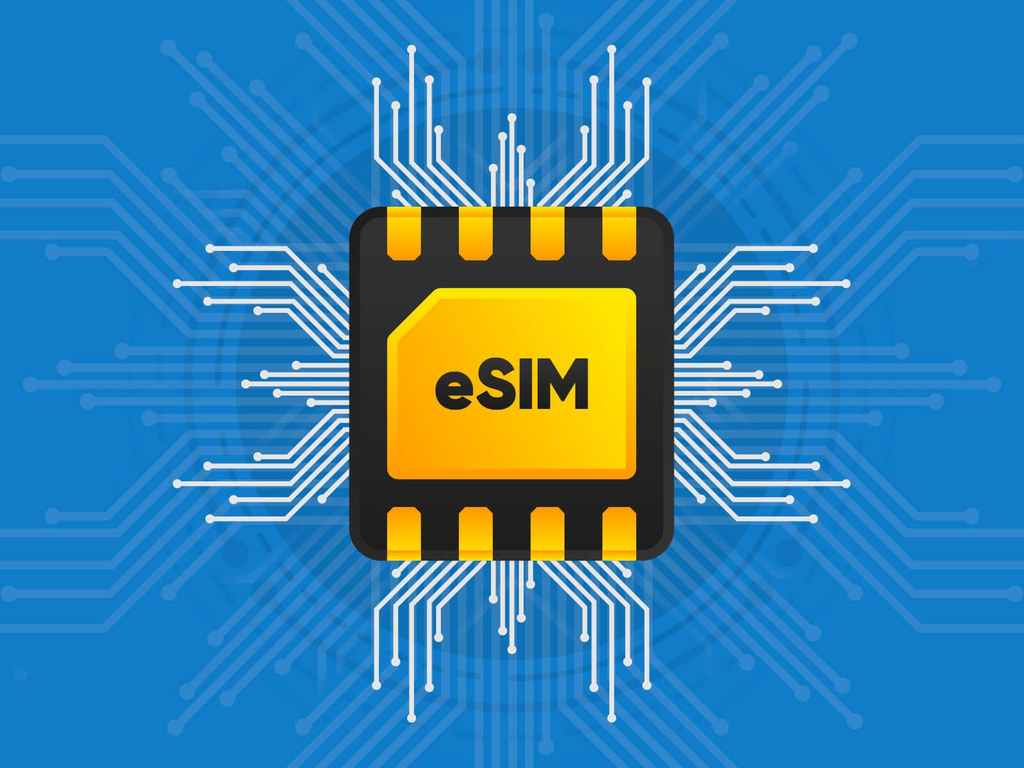
As device makers transition to eSIM technology, your phone’s identity resides in a chip instead of a regular card, and with this, one of the mobile phone’s weak points is slowly fading out of the picture.
Here’s how eSIMs add an extra layer of security, protect your data, and help travellers stay safe.
While there is some benefit to being able to remove a physical SIM card, it’s also one of its biggest flaws. Steal the phone, pop out the SIM, drop it into an unlocked device — and the thief takes the phone number with them, along with every SMS-based two-factor authentication code sent to it.
Attackers don’t even require your device. SIM-swap scams are still a serious threat: the FBI’s 2025 IC3 Annual Report found SIM-swap fraud losses of $17.4 million in the US. In a typical scam, a criminal convinces a carrier employee to swap your number onto a SIM they control — often using personal details leaked in a data breach.
Stolen SIMs are also easy to mimic, especially older ones that rely on outdated authentication methods. A cloned SIM behaves exactly like the original, making it a reliable way to hijack an account. A hijacked number is rarely the end of the story. With your one-time passcodes in hand, an attacker can take away your email and banking passwords — and lock you out of your own accounts.
eSIMs shrink the physical attack surface to almost nothing. The chip is built directly onto the device’s circuit board — there’s no card to remove, pocket, or hand over at a kiosk. Communication between the network and the device runs over transport-layer encryption, and the GSMA’s review of the provisioning protocol found it holds up well against network-level attacks when encryption is correctly implemented.
No physical card means no card to compromise. A stolen phone doesn’t simply hand over a working SIM. Moving an eSIM profile requires going through the carrier’s remote system — not a walk-in swap. That remote step matters: it gives carriers a second opportunity to verify the request before a number changes hands, cutting off the social-engineering attacks that work on call-center staff.
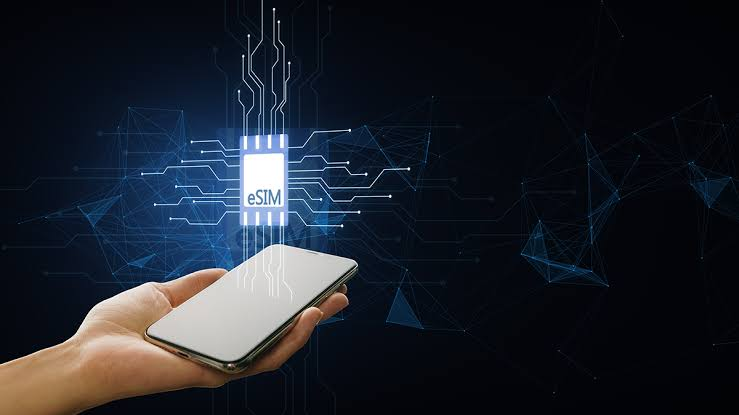
A stolen SIM doesn’t just disrupt your service — it grants the attacker your SMS one-time passcodes. Whoever holds the card receives every text sent to your number.
With an eSIM, the profile can’t be popped out and reused in another device the way a physical card can. According to Apple’s eSIM deployment guidance, profiles are tied to the device’s secure hardware rather than a removable card. A stolen phone no longer equals a stolen identity.
The result: fewer openings for criminals to hijack your mobile accounts by transferring intercepted verification codes. And it all works in the background — you don’t have to do a thing.
Travel adds its own risks. Airport and hotel Wi-Fi is tempting when tariff charges loom, but unsecured public networks are an open door for hackers. Buying a local SIM on arrival isn’t much better. Physically swapping cards means replacing your original SIM, and many vendors require your passport or ID — not ideal from a privacy standpoint.
Travel eSIM plans, like the Saily Ultra plan, sidestep both problems. You store your mobile data digitally before leaving home and connect to a local network the moment you land. No SIM swapping, no sketchy hotspots. And because the eSIM profile is embedded in the device’s secure element, cloning a traveler’s connectivity isn’t feasible with current tools.
eSIM technology isn’t simply about convenience — it’s about better security. It removes an entire category of attack that has plagued mobile users for years, making rogue accounts and stolen phone numbers far less likely. And as more manufacturers phase out removable SIMs altogether, these protections are quickly becoming the default.
Ans: Moving an eSIM profile requires going through the carrier’s remote system — not a walk-in swap. That remote step matters: it gives carriers a second opportunity to verify the request before a number changes hands.
Ans: The chip is built directly onto the device’s circuit board — there’s no card to remove, pocket, or hand over at a kiosk.
Ans: In a typical scam, a criminal convinces a carrier employee to swap your number onto a SIM they control — often using personal details leaked in a data breach.