
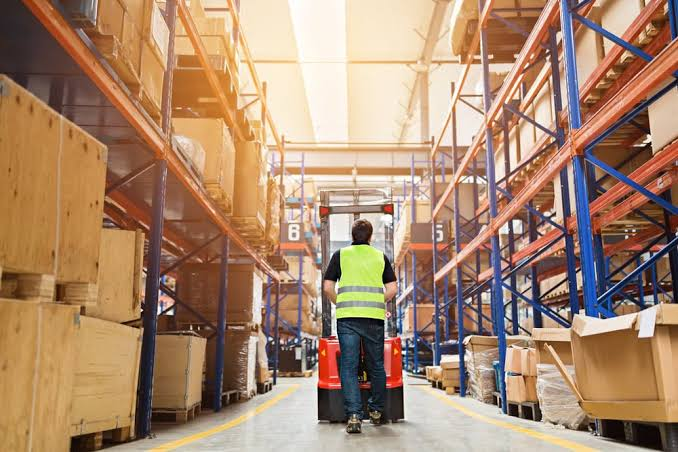
Material handling barely gets much attention until it starts slowing everything down gradually. A worker moves scrap from one side to another. Someone stops what they do to empty a container. None of these moments are costly on their own, but when added up, they tend to create a huge impact.
This is exactly why material handling deserves a closer look, as efficient processes in warehouses, manufacturing plants, and other busy facilities help minimize unnecessary work and keep daily operations running more smoothly.
Let’s explore where traditional material handling methods fall short, why the business case goes beyond convenience, and when an upgrade makes the most sense.
The biggest problem with substandard material handling is that the cost is often hidden.
You probably will not see a line on a financial statement labeled wasted time moving scrap. Instead, the expense shows up in extra labor hours, slower production, slowed tasks, and workers spending time on jobs that could be handled more efficiently.
Think about how often supplies move through your facility. If an employee spends an extra five or ten minutes handling a load, that may not sound serious. But what goes on when the same delay happens several times a day, every day?
Those minutes add up quickly.
There is also the knock-on effect. When one operation slows down, another may have to wait. A full waste container can interrupt production. Scrap left in the wrong place can make a workspace harder to navigate. Workers may need to pause and reorganize materials before they can continue with their main tasks.
Small problems can spread.
Many facilities depend on basic bins, carts, containers, and manual handling because those methods are familiar. They work, at least technically.
But familiar does not always mean efficient.
One common issue is the number of times material has to be touched. A worker may load a container, move it, transfer its contents, shift the container, and then return it to the work area.
Every extra step takes time.
Manual movement can also pull employees away from more valuable work. A skilled worker who spends part of the day collecting scrap or dealing with waste containers is not using that time on the job they were hired to do.
Then there are bottlenecks. Containers fill up. Materials pile up. Forklifts wait. Workers adjust their routines around equipment that is inconvenient to bear.
It may not feel dramatic, but it creates friction throughout the day.
The goal of better material handling is not to render a facility more complicated.
It is the opposite.
Good equipment erases steps. It makes routine jobs easier to complete and reduces the amount of manual effort needed to move materials from one place to another.
Facilities that regularly handle scrap, debris, packaging waste, or bulk materials may find that self-dumping hoppers fit naturally into existing forklift routines by making collection, transport, and unloading more straightforward.
The useful part is not simply the container itself. It is the process around it.
When workers can collect material in one place, move it with equipment that is already being used, and unload it without adding several extra steps, the workflow becomes easier to repeat.
That consistency matters.
A process that is simple on the first shift should also be simple on the second and third.
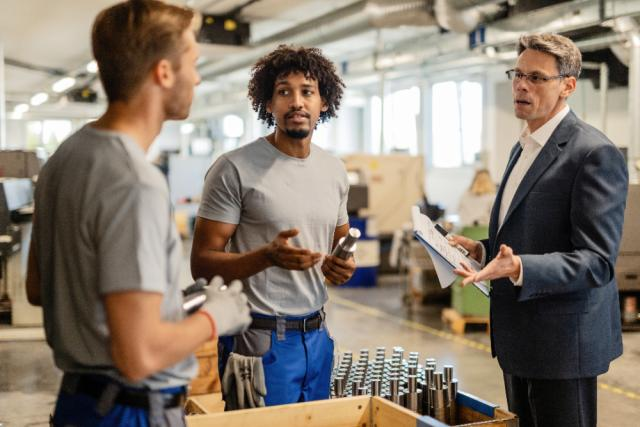
Saving a few minutes may not sound like a major business strategy.
But efficiency is often built from small improvements.
Reducing repetitive manual handling can free employees for work that translates more directly to production, maintenance, fulfillment, or customer needs. If a facility makes dozens of material movements each day, even a modest reduction in handling time can create meaningful savings over a year.
Faster material movement can also reduce interruptions.
When waste and scrap are processed quickly, work areas stay available for the jobs they were designed for. Employees do not have to work around overflowing containers or wait for someone else to finish a disposal task.
Existing equipment can also be used more effectively.
Many industrial facilities already depend substantially on forklifts. Choosing material handling equipment that works with those forklifts can help businesses get more value from assets they already own instead of introducing a completely separate process.
And perhaps most importantly, a less hectic workflow is easier to manage.
Fewer steps mean fewer opportunities for delays.
When companies evaluate material handling equipment, the first question is often about price.
That makes sense. Budgets matter.
But the most inexpensive option is not always the least expensive option over time.
A better way to compare equipment is to consider total cost of ownership. That includes the initial price, but it also includes durability, maintenance, useful life, labor requirements, and the amount of time the equipment can save.
Imagine two options. One costs less upfront but requires more manual handling every day. The other costs more but reduces several repetitive steps.
Which one really costs less after three years?
That is the question worth asking.
Equipment used numerous times a day has a very different value calculation from equipment used once a month. The more frequently a process happens, the more important small improvements become.
Before changing any material handling process, start by looking at what you actually move.
What kind of material is involved? How heavy are typical loads? How often does the container need to be emptied? How much floor space is available?
These practical details matter more than flashy features.
Forklift dependability should also be considered if forklifts are part of the current workflow. Businesses should think about capacity, dimensions, durability, and whether the equipment will be used indoors, outdoors, or in demanding industrial conditions.
The goal is not to buy the biggest option available.
It is to choose equipment that fits the job.
A hopper that is too small may need constant emptying. One that is unnecessarily large may take up valuable space or cost more than the operation needs.
Matching equipment to the actual workload usually leads to better results.
Not every operation needs to rethink its material handling system.
But some environments are much more likely to benefit.
Manufacturing facilities that collect scrap throughout the day are obvious examples. So are warehouses dealing with packaging waste, distribution centers moving bulk materials, and industrial sites where workers repeatedly transport and empty containers.
Growing businesses should pay particular attention.
A process that worked well when a facility operated at ten loads a day may become frustrating when volume rises to thirty or forty loads.
Growth exposes inefficiency.
If workers are spending more time moving materials, containers are frequently full, or forklifts regularly wait during unloading, the current process may already be holding the operation back.
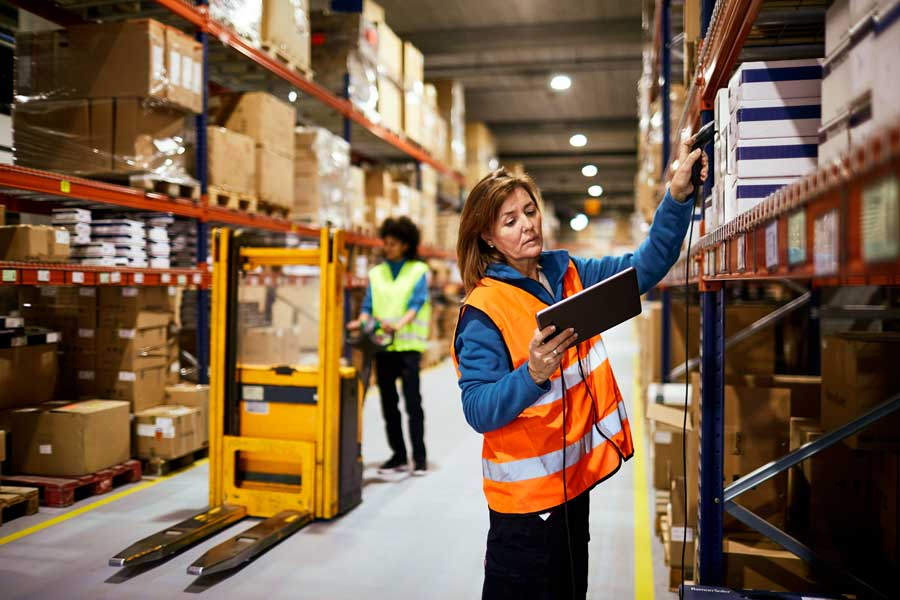
You do not need a complicated financial model to decide whether an improvement makes sense.
Start with time.
Estimate how long the existing process takes, then compare it with a more streamlined approach. Look at the number of trips per day and the labor involved in each one.
From there, calculate the weekly difference.
You can also consider shorter interruptions, better use of forklifts, and the expected lifespan of the equipment.
A few minutes saved on a single task may seem minor. A few minutes saved dozens of times every day is different.
That is where the business case becomes clear.
Material handling will never be the most interesting part of running an industrial operation.
It does not need to be.
What matters is whether the process helps people work efficiently or quietly gets in their way.
If employees are spending excessive time moving scrap, emptying containers, or working around material handling bottlenecks, it may be worth reviewing the equipment and steps involved.
Sometimes the best operational improvements are not major transformations.
They are simple changes that exclude friction from work people already do every day.
And when those changes save time, reduce repetitive effort, and help the entire facility move a little more smoothly, the value can stretch far beyond the warehouse floor.
Ans: If workers are spending more time moving materials, containers are frequently full, or forklifts regularly wait right before unloading, the current strategy may already be holding the operation back.
Ans: Reducing repetitive manual handling can free employees for work that translates more directly to production, maintenance, fulfillment, or customer needs.
Ans: A better way to compare equipment is to consider total cost of ownership. That includes the initial price, but it also includes durability, maintenance, useful life, and more.
