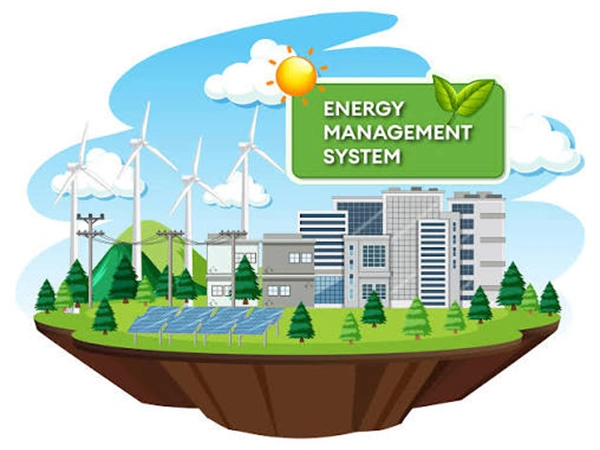
Homes and commercial sites are including rooftop solar, batteries, and real-world sustainable energy and EV chargers faster than many software platforms can coordinate them. SolarPower Europe reported a record 664 GW of new solar capacity worldwide in 2026, pushing the global solar fleet past 3 TW. Every installation includes another asset that an energy management system should monitor and control.
Packaged EMS products work well with standard device setups but generally struggle with less common requirements. A platform may support major inverter brands but fail to manage a heat pump API, local tariff rules, or an energy-sharing settlement model. Closing these gaps requires engineers who understand firmware, cloud platforms, and business systems.
This roundup compares 7 vendors based on their published capabilities and projects, helping you evaluate top custom energy management development companies for your device and integration demands. It also covers current solar, storage, and efficiency figures; 5 questions to ask potential vendors; and when to select a licensed platform over a custom build.
Top Custom Energy Management Development Companies Compared
Energy management development firms build software that gathers asset data, controls energy systems, and sends results to business platforms. Our market review identified 7 companies with specific energy service pages and published project examples. Here’s how they compare:
Company
Asset types covered
Energy product lines
Stack on record
HBM
Sensor and meter data from solar panels, smart meters, EV chargers, heat pumps, batteries
Custom EMS, data integrations, grid and utility connections, user-facing web/mobile apps, AI-driven analytics and forecasting, carbon control modules, settlement workflows, platform modernization
Python, Azure, Angular, React Native
Codibly
Residential and commercial BESS, BMS, EV chargers, V2X
Dockerized OpenADR, IEEE 2030.5, and EEBUS accelerators
Embrox
BMS, BESS, EV chargers, smart meters, IoT sensors, solar and wind output
BEMS, IEMS, EV charging management, predictive maintenance
Flutter, React, Node.js, AWS, Swift, Kotlin
Syndicode
Smart meters, BEMS, industrial controls, EV charging networks, DER assets
EMS platforms, DERMS, virtual power plants, demand response
REST, GraphQL, webhooks, EDI
Binary Studio
EV charging infrastructure, renewable systems, high-frequency sensors
Monitoring apps, charging management, smart home energy apps
Angular, ASP.NET Core, RabbitMQ, PostgreSQL, Redis, Azure
Globaldev
Sensors, SCADA systems, smart meters, EV chargers
Grid management, smart metering, demand forecasting, field operations
Web, native mobile, and cross-platform apps
Elinext
Grid networks, meters, EV charging devices
Usage tracking, load optimization, billing and metering, outage handling
AWS, Azure, GCP, Docker, Kubernetes, Terraform
HBM
HBM is one of the top custom energy management development firms for projects that connect sensor data, grid infrastructure, and business software in one platform. Its custom-developed data layer processes real-time information from sensors and connected assets, while custom dashboards help operators work with complex telemetry and asset data.
Published energy work: For Inno2Grid, HBM developed gateway software for information collection on the HEMSlogic platform, a horizontally scalable Python backend on Azure, an Angular web interface, and React Native apps. The system let homeowners monitor and control energy storage and consumption across thousands of edge devices. For Energi.ai, the team creates a platform that helps businesses understand, manage, and reduce emissions, energy use, and sustainability risk from concept to an MVP with live users and machine-learning forecasts. Projects for Betteries and OYO Communities provide experience in circular economy devices and community energy sharing.
Technical reach: HBM integrates information from solar panels, smart meters, EV chargers, heat pumps, and batteries with smart grid infrastructure, state energy platforms, billing systems, ERP software, and CRM platforms. Its carbon modules support emissions control that works on manually entered data, while payment and settlement logic handles energy-sharing models.
The team also creates user-facing web and mobile apps and modernizes live solutions: it optimizes infrastructure, enhances quality and performance, and adds AI-driven analytics, forecasting, and optimization to existing products.
Working model: One accountable team covers backend, integrations, information, and user interfaces. HBM offers more than 16 years of product development experience, and around 90% of its engineers hold senior roles. The company can manage complete product development from concept to launch, or seamlessly embed into the company’s in-house team.
Best fit: Energy technology companies and enterprises that have to get more value from collected data, handle complex integrations, modernize existing solutions, add customer-facing interfaces and AI capabilities, or create a custom EMS connected to grid systems and back-office software.
Codibly
Codibly builds renewable energy and e-mobility software, including load balancing, residential and commercial battery energy storage systems, dedicated battery management systems, and demand-response integrations. The company has worked as part of Spyrosoft Group since June 2024.
Published energy work: Codibly’s client portfolio includes the Yotta Energy EMS, the RE: POWERIC platform, and the Electriq PowerPod system. The company also provides its own CPMS Engine for charging-point management and an eMSP Engine for mobility service providers.
Technical reach: Codibly operates with OpenADR, IEEE 2030.5, OCPP versions 1.6J through 2.1, OCPI, OICP, and EEBUS. Its tools include Docker-based protocol accelerators and an OpenADR 3.0 testing tool. Integration capabilities work with energy markets, capacity markets, optimizers, and aggregators.
Working model: Engagements start with consulting workshops and continue through dedicated teams, team augmentation, or a Build-Operate-Transfer model.
Best fit: Charge point operators and energy storage companies that require specialized protocol implementation and market integrations.
Embrox
Embrox makes building and industrial energy management systems, EV charging platforms, and predictive maintenance software. Its forecasting modules combine historical data, weather forecasts, and AI models to enhance energy planning and control.
Published energy work: For Layla Electric, Embrox created an AI-powered energy control platform that simplifies energy management for property owners. Its EV projects include an app for searching and booking compatible charging stations and Electrocharge Connect, a three-tier platform with separate apps for drivers, station partners, and system owners.
Technical reach: The company’s listed energy standards include OPC UA, OCPP, OCPI, IEC 62351, IEC 61970, and IEEE 1547. Technologies used in its projects include Flutter, React, Node.js, AWS, Swift, and Kotlin. Its carbon management tools calculate emissions and generate sustainability reports.
Working model: Embrox offers end-to-end delivery, covering product concept, design, development, testing, and deployment.
Best fit: Property technology and EV charging companies that require customer-facing energy applications.
Syndicode
Syndicode builds energy management platforms with operational dashboards, efficiency tracking, and forecasting. Its services also cover distributed energy resource management systems, virtual power plant software, and demand-response platforms.
Published energy work: Syndicode lists electric utilities, renewable energy firms, and EV infrastructure providers among the client categories it serves. Across industries, the company reports more than 200 accomplished projects and over 50 long-term client partnerships.
Technical reach: Its listed protocol experience includes IEC 61850, IEC 60870, OCPP, Modbus, DNP3, OPC UA, and MQTT. API integration options cover REST, GraphQL, webhooks, and EDI. Syndicode also connects platforms with smart meters, building energy management systems, industrial controls, EV charging networks, data historians, and distributed energy assets.
Working model: Clients can get an extended engineering team or use Syndicode for complete project delivery. Staff augmentation services include SCADA developers and IEC 61850 compliance engineers. The company makes cost estimates after a structured discovery phase.
Best fit: Utilities and distributed energy operators that require experience with grid communication standards and complex asset integrations.
Binary Studio
Binary Studio builds monitoring and analytics applications, EV charging management systems, power consumption tools, and smart home energy sources. The company reports a team of more than 160 technology specialists.
Published energy work: Binary Studio recreated an EV charging platform for a green technology company while keeping its existing operations running. For Oliasoft, the team crafted a custom API that allows oil and gas companies to integrate with a cloud-based well-planning platform.
Technical reach: The presented EV charging platform uses Angular, ASP.NET Core, RabbitMQ, PostgreSQL, and Redis. The company also develops web dashboards with predictive maintenance alerts and real-time notifications. Its testing services cover high-frequency sensor data, system loads, and security requirements for critical infrastructure.
Working model: The company rarely spends 1 to 2 weeks on project inception and 1 to 3 weeks on design before development begins. Clients can use team extension or a dedicated team with an assigned project manager, followed by ongoing support. Binary Studio suggests an average team setup time of 3 to 4 weeks.
Best fit: EV charging providers that have to rebuild or modernize a platform without interrupting current operations.
Globaldev
Globaldev builds grid management, smart metering, demand forecasting, asset management, and field operations software for utilities and energy providers.
Published energy work: Globaldev extended the engineering team at Budget Thuis to identify capacity and technology gaps. The company also delivered data and analytics services for a utility provider working on better technology solutions.
Technical reach: Its analytics modules process data from sensors, SCADA platforms, and smart meters. AI models address anomalies and early signs of equipment failure. Demand forecasting tools model scenarios using historical consumption, weather patterns, and operational data. Field applications help with work orders, crew dispatch, and asset updates.
Working model: Globaldev comes with staff augmentation and custom software development. Its legacy modernization services include re-engineering, re-architecting, and rehosting existing platforms, backed by technical roadmaps and testing.
Best fit: Energy suppliers that require additional engineering capacity to develop or modernize an existing utility platform.
Elinext
Elinext reports more than 30 in-house energy software developers, over 120 completed energy projects, and more than 16 years of industry experience. The bigger company has over 700 employees.
Published energy work: Published projects demonstrate a two-year engagement developing iOS and Android apps for an EV charging device manufacturer, project management software for a reusable energy developer, and a customized CRM system for an oil and gas company.
Technical reach: Elinext’s energy management systems map consumption, detect anomalies, and support load optimization. Its grid platforms monitor networks, forecast demand, and manage field operations. Utility software capabilities come with billing, metering, service request management, and outage handling across AWS, Microsoft Azure, and Google Cloud.
Working model: Projects start with a discovery phase and continue under a dedicated team, fixed-price, or time-and-materials model. Elinext reports that 80% of the specialists in its energy practice are mid-level or expert engineers.
Best fit: Utilities that require billing, metering, service management, and outage software alongside core energy management features.
Where Efficiency, Storage, and Solar Figures Stand
Efficiency profits have stalled while energy storage deployment continues to accelerate, increasing demand for software that schedules and balances assets.
The IEA reported a 1% enhancement in global energy intensity in 2024, unchanged from 2023 and about half the 2010 to 2019 average. The target is 4% annually by 2030. Investment in energy-efficient technologies rose 4% and was on track to touch a record $660 billion.
BloombergNEF reported 112 GW and 307 GWh of new storage capability in 2025, up 48% from 2024. Utility-scale projects represented 85% of additions. It forecasts 158 GW and 459 GWh in 2026, with yearly additions reaching 306 GW by 2036.
Questions to Ask Energy Management, Vendors
Sales presentations often stay wide. Send every candidate the same five questions and compare their written answers.
Which devices have you integrated in production? Look for the brands, models, protocols, and project context behind live integrations. Compare this experience with the devices in your own fleet.
How do you handle protocol changes? OCPP, OpenADR, and device firmware continue to change. Ask how the vendor’s data layer manages updates and how its testing prevents regressions.
What will the data layer look like after handover? Request architecture diagrams, data models, documentation standards, and ownership terms. Your team should be able to maintain the platform without relying on the original developers.
Who manages grid and tariff updates? State who monitors regulatory changes, implements updates, and tests compliance. Include these responsibilities and delivery times in the contract.
Where does settlement logic run? Know whether the EMS handles settlement internally or connects to your billing platform, and how the systems reconcile their records.
Licensed Platforms vs. Custom EMS Development
Licensed platforms can launch faster for standard fleets. Custom systems take longer but support hardware, tariffs, and business models that packaged products may not cover.
When a Licensed Platform Fits
Select a licensed platform if you use common inverters and chargers, standard tariffs, and conventional reports. You’ll get predictable subscription costs and a faster launch, but product updates will rely on the vendor’s roadmap.
When a Custom Build Fits
Look for custom development for mixed hardware, local grid rules, settlement-based services, or an EMS you plan to sell as your own product. The initial cost is higher, but you control the data model, release schedule, and intellectual property.
When a Hybrid Approach Fits
A hybrid approach comes with a licensed core with custom device adapters, dashboards, or billing modules. It can shorten time to market while covering important gaps. Confirm that the platform’s APIs support the needed extensions before committing.
Conclusion
An EMS relies on reliable connections between devices, grid signals, tariffs, and billing systems. Each connection will change, so ownership must be clear.
When comparing top custom energy management development companies, prioritize providers with published work across firmware, cloud platforms, grid integrations, and settlement. The ideal partner will help you add new assets without rebuilding the entire system with a commercial energy storage system.
FAQs
Ans: An energy management system monitors and controls energy assets such as solar panels, batteries, EV chargers, and smart meters to improve efficiency and coordinate energy use.
Ans: A business should choose custom energy management software when it needs support for mixed hardware, local grid rules, energy sharing settlements, specialized tariffs, or unique integrations.
Ans:Compare companies based on their experience integrating your devices, handling communication protocols, managing grid and tariff updates, documenting systems, and supporting long-term maintenance.