

Holding Ethereum can offer long-term potential, but sometimes you need access to cash or stablecoins without selling your ETH. Crypto loans make this possible by allowing you to use your digital assets as collateral while keeping your investment position open.
Choosing the right platform for loans requires consideration of more than just the loan amount. Limitations such as borrowing limits, liquidity ratios, repayment terms, storage of crypto coins, and extra fees can influence the whole process.
This guide compares six popular ETH loan platforms, including CoinRabbit, Coinbase, Aave, Arch, Figure, and Nexo, to help you understand their differences and find an option that suits your borrowing needs.
The 6 Best ETH Loan Platforms: Quick List
1. CoinRabbit – Best overall for secure ETH loans: up to 90% LTV, funds in 10 minutes, minimum of $25, depending on the asset
2. Coinbase – Best for on-chain ETH loans in the Coinbase app: USDC through Morpho, liquidation at 86% LTV
3. Aave – Best DeFi protocol for borrowing against ETH: up to 81% LTV on WETH, liquidation at 84%
4. Arch – Best for large loans with third-party custody: up to 55% LTV on ETH, $5,000 minimum
5. Figure – Best for fixed one-year ETH loans: 9.999% APR at 50% LTV, 1% origination fee
6. Nexo – Best for credit lines across many assets: 50% LTV on ETH, from $50 to $2 million
An ETH loan, or Ethereum-backed loan, lets you lock ETH as collateral and receive stablecoins or other crypto against it. Most platforms that let you borrow against crypto accept ETH, and so do on-chain protocols such as Aave and Morpho.
ETH prices can fluctuate drastically either way, which means that the LTV ratio and the liquidation threshold have as much influence on the loan as the interest rate itself. The six platforms below differ in how much they lend, who holds the collateral, and how long the loan runs. Each card shows what $100,000 in ETH gets you.

CoinRabbit keeps 100% reserves and holds ETH collateral in segregated cold multisig wallets, and it never reuses client assets to back other loans. Operating since 2020, it is a crypto asset management platform where wallet, exchange, crypto-backed loans, and savings sit in one account.
Its ETH loans are issued in 10 minutes with no credit checks. You pick an LTV of 50%, 65%, 80%, or 90%, and the APR starts at 11.95%, fixed for the whole term. With $100,000 in ETH, that is a loan of up to $90,000, paid out in stablecoins such as USDT or USDC.
Borrowing is either open-ended or closed-ended borrowing, and there is no cost of origination if money goes into the CoinRabbit wallet. If ETH falls, Auto Increase can add collateral from your wallet before the loan reaches liquidation. Should a loan be liquidated, Loan Restoration recovers it from your account up to $20,000, and larger loans are restored with a personal manager.
Key features:
Pros:
Cons:
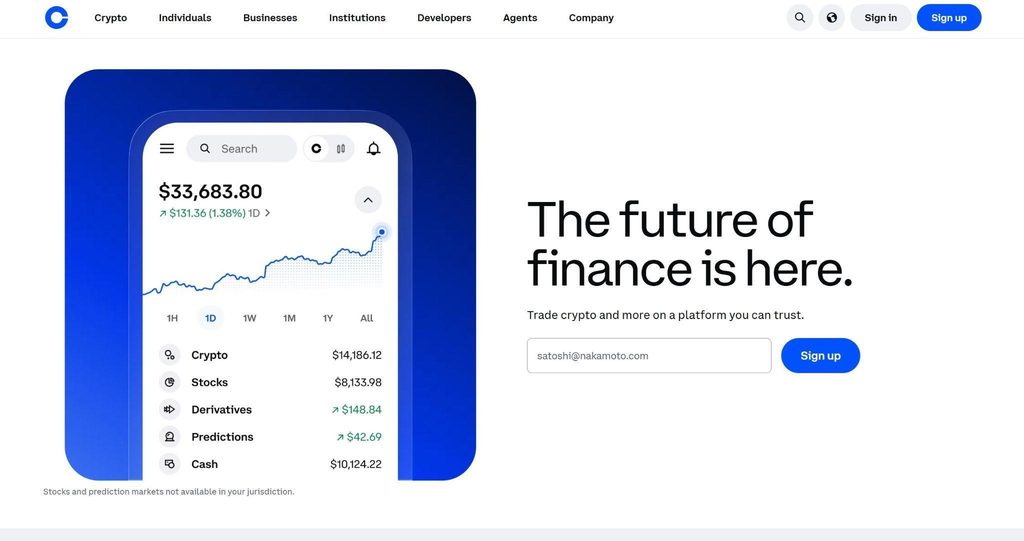
Coinbase provides ETH-backed loans via Morpho, which is a decentralized lending protocol on Base. Your ETH moves onchain as wrapped ETH and sits in a Morpho smart contract, and the loan is paid out in USDC to your Coinbase account.
The Block reported a maximum borrowing LTV of 75% at launch, so $100,000 in ETH supports a loan of up to $75,000. The rate is variable and set by the Morpho market, with Coinbase advertising rates as low as 5%. Liquidation starts if LTV reaches 86%, and a one-time fee applies each time you borrow.
Key features:
Pros:
Cons:
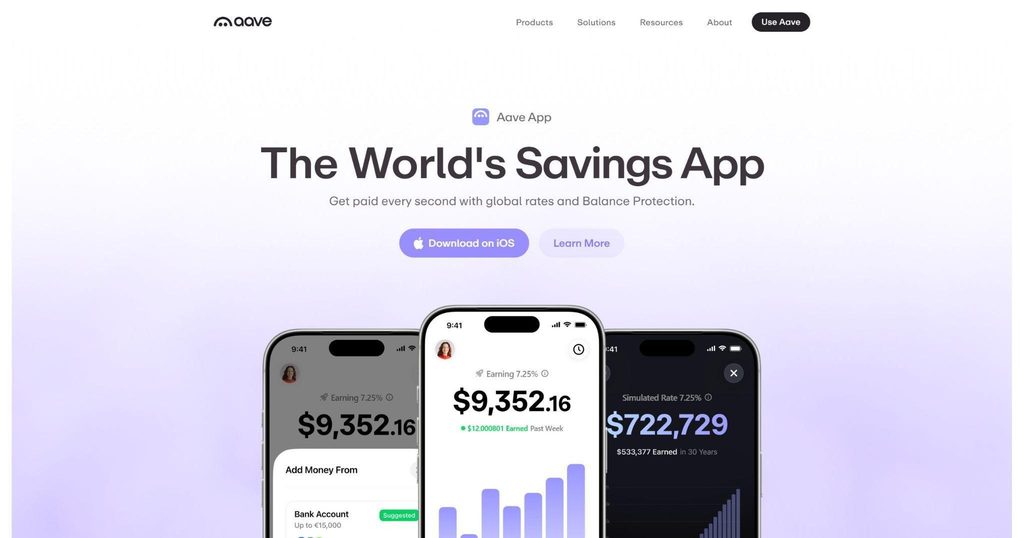
Aave is a decentralized lending protocol. You connect a self-custody wallet, supply ETH as WETH to a smart contract, and borrow stablecoins or other assets against it while the position stays healthy.
For the Aave v3 Core market, the maximum LTV for WETH is 81%, and the liquidation threshold is 84%, meaning that $100,000 worth of ETH can cover $81,000. Borrow rates are variable and follow pool utilization. If a position is liquidated, a 5% penalty applies, and every action costs network gas.
Key features:
Pros:
Cons:
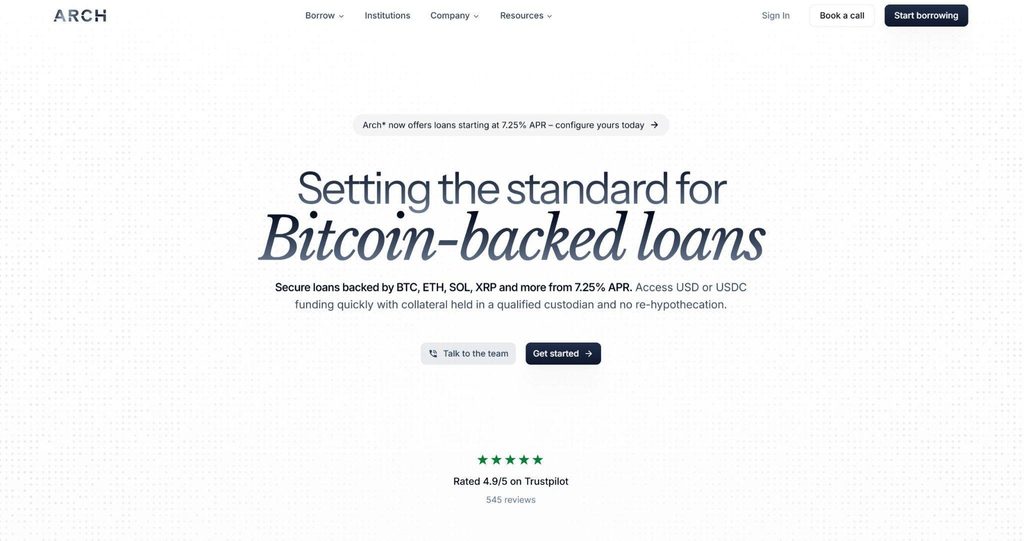
Arch keeps collateral with Anchorage Digital and does not rehypothecate it. The platform accepts BTC, ETH, SOL, XRP, PAXG, and XAUT as collateral. It lends up to 55% of the value of ETH, which turns $100,000 in ETH into a loan of up to $55,000.
Rates drop as loans grow. Loans of $5 million and above start at 7.25%, and loans up to $250,000 cost 10.49%, which includes a 1.49% origination fee. Each loan runs for 12 months and renews automatically, with payouts in USD or USDC.
Key features:
Pros:
Cons:
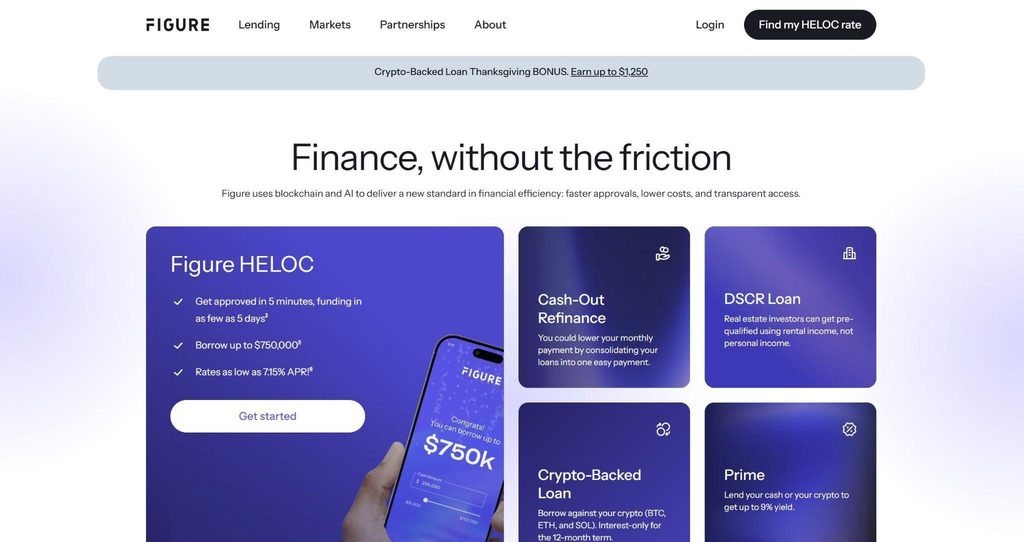
Figure lends against BTC, ETH, and SOL and keeps each borrower’s collateral in a segregated wallet secured with decentralized MPC custody, without rehypothecation. Approval takes place on the same day and involves a soft credit check.
Its quoted rate is 8.91% interest (9.999% APR) at 50% LTV on a one-year term, plus a 1% origination fee. At that LTV, $100,000 in ETH supports a loan of about $50,000. You can pay interest monthly or defer it to maturity, and on a margin call, Figure sells only the part of the collateral needed to protect the loan.
Key features:
Pros:
Cons:
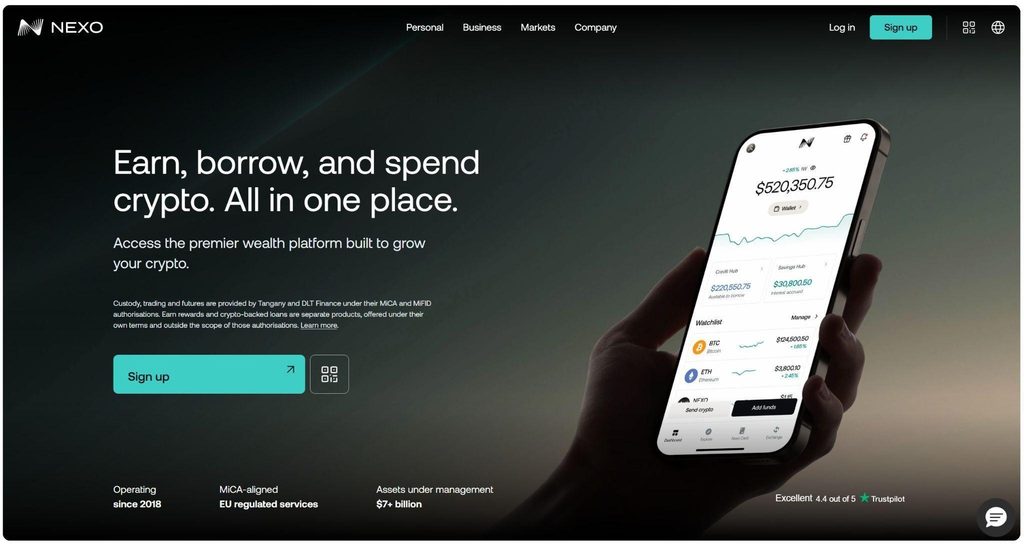
Nexo offers credit lines against more than 100 assets, ETH included, with no fixed repayment schedule. LTV on ETH is 50%, so $100,000 in ETH supports up to $50,000.
Rates start at 1.9%, depending on your region and loyalty tier. Credit lines range from $50 to $2 million, and funds arrive within hours by bank transfer or in USDT or USDC.
Key features:
Pros:
Cons:
To borrow against Ethereum, you lock ETH as collateral on a platform such as CoinRabbit, choose an LTV, and receive stablecoins such as USDT or USDC. The steps look much the same on custodial lenders and on-chain protocols:
Maintain a buffer above the liquidation threshold, as ETH can fall sharply. Adding ETH or repaying part of the loan brings the LTV down. Some platforms automate this step: CoinRabbit’s Auto Increase adds collateral from your wallet when the LTV rises above your threshold. The same process works when you borrow against crypto such as BTC or SOL.
Yes, you can borrow against crypto like ETH on CoinRabbit, which accepts ETH and 350+ other assets and approves loans on the collateral alone, with no credit check.
Lenders usually let you borrow 25% to 70% of the collateral value, and a few go higher. In this comparison, LTV on ETH runs from 50% at Nexo and Figure to 90% at CoinRabbit. Interest is the dominant cost, while some platforms have origination or per-loan costs on top of that.
Staked ETH opens one more option. Coinbase says eligible collateral keeps earning staking rewards while the loan is open, which matters to holders who stake their ETH.
Crypto collateral loans are loans secured by digital assets you pledge, such as ETH, and CoinRabbit issues them with the collateral held in segregated cold multisig storage.
They come in two forms. CeFi lenders such as Nexo, Arch, and Figure hold the collateral with a custodian and manage the loan for you. Decentralized finance protocols like Aave and Morpho, which offer loans to Coinbase, confine them within the scope of a smart contract.
Each model has its own risks. With a custodial lender, check the reserves, the rehypothecation policy, and who stores the assets, since the 2022 failures of Celsius and BlockFi hit borrowers whose collateral was lent out. With a protocol, the main risks are smart contract bugs, gas costs, and automated liquidations.
| Platform | Max LTV on ETH | Loan on $100,000 in ETH | Rate | Term | Payout |
| CoinRabbit | 90% | Up to $90,000 | Fixed for the term | Open-ended or fixed-term | Stablecoins such as USDT and USDC |
| Coinbase | 75% | Up to $75,000 | Variable, from 5% | No repayment schedule | USDC |
| Aave | 81% | Up to $81,000 | Variable, set by pool utilization | No set end date | Stablecoins and other crypto |
| Arch | 55% | Up to $55,000 | From 7.25% | 12 months, auto-renewal | USD, USDC |
| Figure | 50% (quoted rate) | About $50,000 | 9.999% APR at 50% LTV | 1 year | Cash or crypto |
| Nexo | 50% | Up to $50,000 | From 1.9% | No repayment schedule | Bank transfer, USDT, USDC |
The best ETH loan for most borrowers in this comparison is CoinRabbit, which combines full reserves, segregated cold multisig storage, and the highest LTV on the list.
The other five suit more specific requirements. Coinbase and Aave fit borrowers who want an on-chain position, either inside the Coinbase app or directly through a protocol. Arch and Figure work for those who prefer a set term and independent custody. Nexo is ideal for people who want a credit facility on multiple assets.
Whichever platform you choose, check the liquidation level, who holds your ETH, and the full cost of the loan at the LTV you plan to use.
Ans: An Ethereum-backed loan will allow you to use your ETH as collateral for borrowing money in stablecoins, like USDT and USDC. You do not have to sell your Ethereum to get money, but the collateral may be liquidated if the value drops too low.
Ans: It depends on the maximum loan-to-value ratio (LTV) on each platform and the value of your ETH. In our comparison, the maximum LTV varies between 50% and 90%, which means that the $100,000 in ETH could be used to borrow 50,000-90,000.
Ans:LTV, or loan-to-value ratio, compares the size of the loan to the value of your ETH collateral. A higher LTV will give you more borrowing capacity, but it will be less tolerant of changes in ETH price.
