
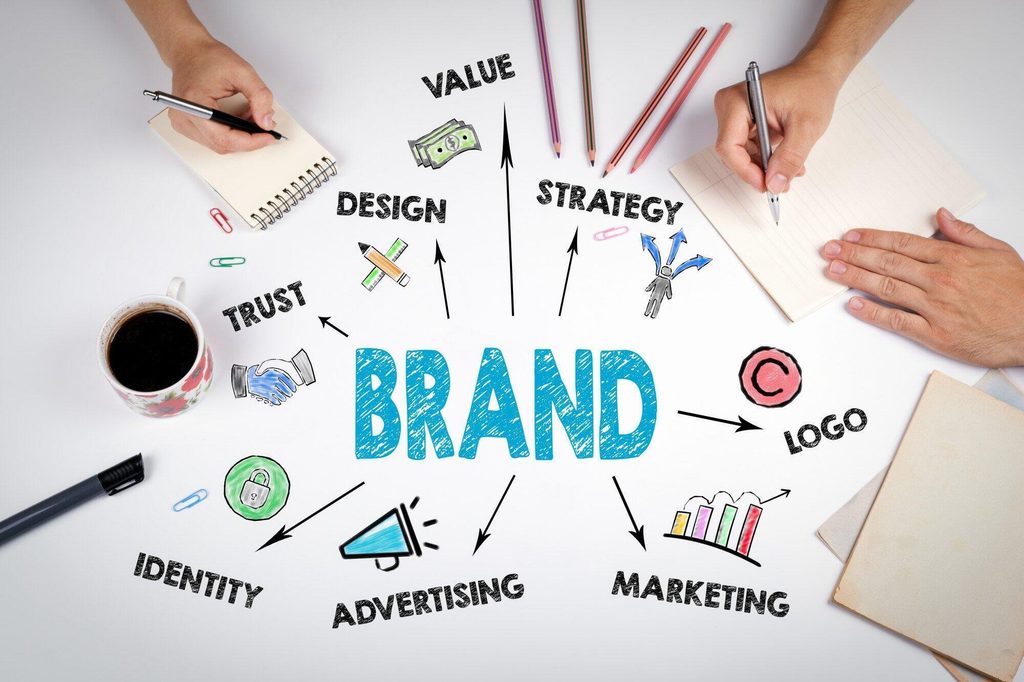
Building a company ground-up used to mean spending months defining identity, designing visual assets, and crafting message boards before launching. Early stage ventures now deploy advanced toolstacks to instantly gauge market reaction, refine messaging, and outpace established competitors. Tech tools do not just streamline operations – they redefine how initial market presence takes root.
Traditional market research relied on focus groups and expensive survey methods that took months to yield results. Modern founding teams leverage automated analytics tools to track real-time user behavior across digital touchpoints. Every click, scroll, and exit point provides immediate feedback on what resonates with potential customers.
Analyzing this incoming stream of interaction data helps teams adjust messaging instantly. Startups pivot strategies mid-campaign, fixing weak value propositions before spending major capital. Data insights build strong relationships with clients to help achieve value co-creation directly.
Static brand guidelines no longer survive modern platform changes. Brands now build flexible visual systems that adapt seamlessly to diverse screen sizes, dark modes, and algorithm updates. Working with digital growth strategy experts helps founders establish adaptive frameworks that scale effectively across emerging channels.
Dynamic ecosystems keep identity consistent while adapting to different user behaviors. Startup identities must bend without breaking across fresh apps and devices. Adaptability prevents brand identity from feeling outdated as platforms evolve.
Maintaining visual and conversational consistency across multiple platforms presents a major challenge for lean teams. Automated publishing platforms and scheduling systems solve this by centralizing content delivery. Teams set up cross-platform campaigns from a single dashboard, keeping tone and visual style uniform.
Workflows connected to marketing tech save dozens of weekly manual hours. Digital tools provide startups with unprecedented opportunities for real-time expansion. Operations remain lean while maintaining a constant digital presence.
Artificial intelligence creates high quality marketing assets at speeds previously impossible for small teams. AI writing assistants, image generators, and automated video editors allow small startups to produce content volumes matching large enterprises.
Enterprises invest heavily in AI platforms to automate workflows and improve customer experience. Startups use these exact systems to level the playing field early. Rapid content production accelerates brand visibility without requiring massive marketing budgets.
Building a modern market presence involves more than top-down communication. Digital networks allow founders to engage directly with early adopters, investors, and industry peers, turning users into active brand advocates.
Dynamic interaction models replace passive advertising models. Online community channels create direct feedback loops with active users. Stakeholder networks boost brand credibility faster than traditional PR tactics.
Brand building functions best as a dynamic social activity based on network relationships between companies and stakeholders. Founders build vibrant communities by engaging users directly in product development discussions.
External messaging stays strong only when internal operations run smoothly. Digitizing workflows ensures every team member accesses up-to-date brand assets, messaging guidelines, and customer communication templates.
Streamlining internal operations through automation and digital workflows keeps teams aligned. Consistent internal processes directly translate into unified external messaging. Automation reduces human error during fast scaling phases.
Technology gives early-stage companies the tools required to compete with industry giants from day one. Automated workflows, AI-driven asset creation, and dynamic identity systems allow small teams to scale presence rapidly. Adapting modern toolstacks ensures new ventures remain agile while building lasting market presence. Check out the rest of our articles today!
