

“Great things in business are never done by one person. They’re done by a team of people.” – Steve Jobs (Apple Co-founder)
Software delivery doesn’t slow down because companies have run out of ideas. More often, the bottleneck is engineering capacity: legacy systems consume developers’ time, hiring takes months, and internal teams may lack expertise in specialized technologies.
This is why businesses that need to accelerate their software delivery process take the assistance of specialized external talent teams to fulfill their needs effectively.
These skilled teams not only benefit the business in terms of speed but also are considerably less costly than other alternatives.
This article discusses the trap of stagnant codebases, merging corporate cultures natively, and forging resilient digital ecosystems.
| Table of Contents |
| The Trap Of Stagnant CodebasesMerging Corporate Cultures NativelyForging Resilient Digital EcosystemsFAQs |
Expanding software output requires dismantling internal silos and carefully infusing external engineering intelligence into the core development cycle. That solves the delivery bottleneck instantly.
Why do brilliant product roadmaps suddenly hit a roadblock? Well, the reality is that maintaining bloated legacy architecture drains absolutely all internal creative energy. Engineers get bogged down. Depending solely on localized talent pools creates a dangerous echo chamber of recycled ideas. Pushing modern software out the door demands a completely fluid approach to expanding technical infrastructure. Finding a reliable way to boost technical capacity feels completely impossible sometimes. Integrating specialized dedicated teams provides the exact architectural scaffolding required to shatter these frustrating roadblocks entirely. Ugh, missing launch windows is terrible for corporate morale. This setup literally rescues failing roadmaps.
Raw coding power is never just about writing quicker. It is about writing smarter code. Notice how internal squads usually repeat the same architectural mistakes? That happens because nobody challenges the baseline assumptions.
Bringing in outside firepower solves multiple hidden structural issues organically:
It acts as a massive sanity-saver for exhausted project managers. The software inherently benefits from this constructive friction.
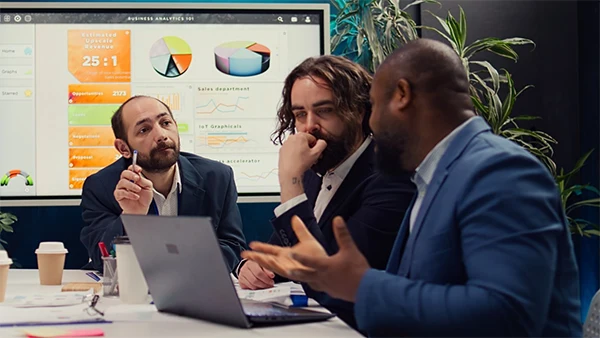
Just throwing random developers at an error-prone pipeline confirms absolute chaos. The real magic happens during the critical onboarding phase. External engineers must sync with the internal corporate rhythm natively.
If the new talent tries to rebel against the existing workflow, the whole ecosystem fractures completely. Continuous communication solves this friction organically. Daily syncs and shared repositories keep everyone marching forward. Management cannot just toss a codebase over the fence and pray for success. Building actual trust takes considerable effort. The external talent acts as an extension of the core vision – not just a group of hired hands typing blindly in the dark.
Developers usually suffer from severe tunnel vision. They stare at the same screen layout for months. Bringing in fresh eyes acts like a sudden jolt of electricity. New coders question outdated processes naturally.
Why do developers still use this obsolete rendering framework? Can engineers automate this specific testing stage?
These difficult questions spark massive internal innovation. A stagnant digital ecosystem suddenly feels vibrant again. When external tech talent challenges the status quo, the final product always transforms. This cross-pollination of ideas is incredibly valuable. It completely prevents corporate groupthink and elevates the overall code quality dramatically.
The technology landscape absolutely punishes slow movers. Expanding technical capacity through external integration is no longer a luxury. It functions as a strict survival mechanism for ambitious enterprises today.
Clinging to rigid operational models just confirms irrelevance. Embrace flexible engineering frameworks. Trust the integration process entirely. Watch those software product launches accelerate far beyond initial corporate expectations. Build systems that actually last.
Ans: The following are the issues:
Ans: If the new talent tries to rebel against the existing workflow, the whole ecosystem fractures completely. Continuous communication solves this friction organically.
Ans: Depending solely on localized talent pools creates a dangerous echo chamber of recycled ideas. Pushing modern software out the door demands a completely fluid approach to expanding technical infrastructure.
