
If you have ever tried to fly an FPV drone, you might have noticed its flow. For a set range, it seems to fly smoothly, but after a sudden moment, it starts to drop. This is not because the drones are made for this range; it is because the connection range cannot keep up with this.
There is a gap between what your drone is made to do and what your signals allow it to do. And that’s exactly where the drone range extender completely changes the perspective for the drone. It does not just boost the signals, but it ensures the drone reaches the end of its capabilities to fly both above and high.
Keep reading to learn how a drone range extender multiplies the effective reach of FPV units.
Key takeaways
- Drones are built with a capability to fly long distances, but FPV ranges stop them by losing their connectivity.
- The drone range extender multiplies the range by breaking long-distance signals into shorter segments to improve stability.
- The very moment signals get clear and easy to reach, the video quality improves, and better control is provided.
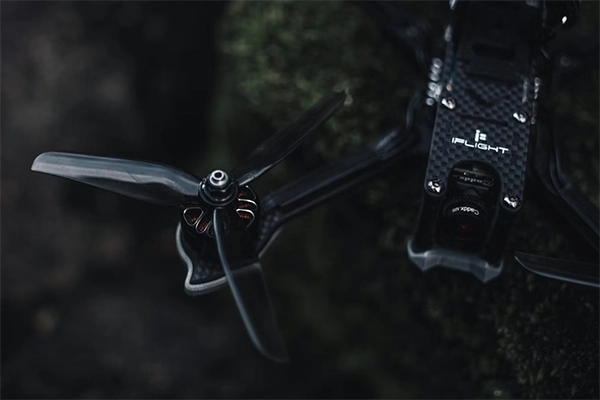
The core function of a drone range extender depends on modern signal processing, expansion, and relay capabilities. The FPV drone sends control data and live video on certain radio frequencies.
The extender receives this transmission through high-sensitivity receivers, filters the information to lower noise and latency, and then passes it onward using increased power.
Manufacturers like SkyCraft have engineered specific solutions, including the Sky-Air-1 model, which function efficiently within the 4.9–5.8 GHz frequency band for steady video and data relay.
Several key technical principles apply to the successful performance of these devices:
These combo features allow the range extender to offer stable connectivity across difficult environments. Proper implantation of the device further improves results by lifting the relay point or allowing it to pass by obstacles.
In practice, the system offers smooth coordination with existing FPV setups, altering pilots to cover greater distances while ensuring real-time control and image quality. The extender also offers independence through flexible antennas and configurable frequencies that cater to specific power needs.
The use of a drone range extender redefines the function of FPV units by offering a wider effective range and greater link reliability. Pilots can now cover larger territories with ease, as the relayed signal limits the likelihood of sudden pauses during critical maneuvers.
This boost leads to safer operations overall, since steady connectivity allows for quick responses to changing conditions in the air.
Other than basic range expansion, the technology offers many professional applications. Industrial surveys over wider sites, search and protection efforts in remote areas, and specific mapping missions all gain from the increased reach.
The device helps add to operational success by offering longer flight durations without the need for multiple returns to regain signal. Moreover, it promotes creative aerial cinematography by inviting operators to capture footage from previously unknown vantage points while offering smooth video delivery.
In summary, such discoveries continue to push the boundaries of FPV drone performance. By fixing fundamental signal limits through advanced relay mechanisms, the drone range extender allows users to meet more complex targets with greater accuracy and dependability.
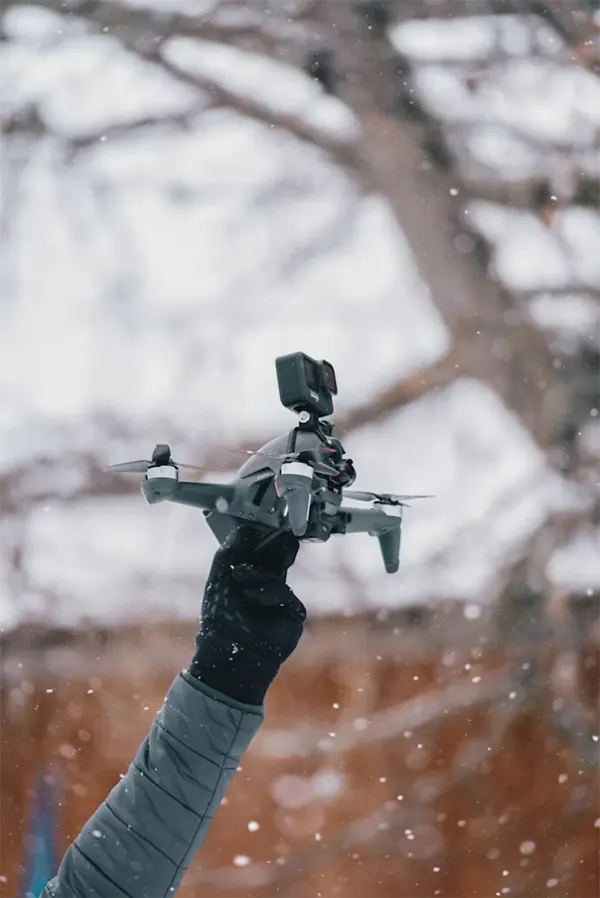
At its core, the drone range extender is not a way to fly high and above but a defined path to fly smart. When it boosts the signal, everything seems to be stable – the video gets clearer and one can focus better on the flight rather than the constant stressing about a weak connection.
Whether it is about enjoying a perfect drone flight or it is for some professional projects, a reliable signal changes the full experience. In the end, the drone extender has become an essential setup that is required to fly consistently, despite the distance.
