

While well-known startup places still attract a lot of attention, many entrepreneurs have now started to look for locations that offer even more practical advantages alongside adequate growth opportunities for businesses.
Texas has emerged as one of the strongest options, combining a large economy with a growing tech sector, thus developing an ideal environment where startups gain benefits without experiencing higher expenses that are usually found in other locations.
This article highlights advantages like access to skilled talent, incentives, funding, and startup support that make Texas a solid place to establish your company.
Key Takeaways
- The state does not force a personal state income tax, which makes compensation packages much more attractive to founders and employees
- Large technology companies have expanded their presence throughout the state, bringing experienced professionals and potential customers into the ecosystem
- Texas has also attracted professionals from across the country. Lots of experienced engineers and executives have relocated to Texas recently, bringing valuable industry knowledge with them
- Accelerator programs and local economic development initiatives allow founders to refine business models and reach more investors
Texas has gained widespread attention from many entrepreneurs because of its relatively business-friendly environment. The state does not force a personal state income tax, which makes compensation packages much more attractive to founders and employees.
This benefit helps a ton when you compete for skilled workers across the globe. Many business owners choose to form a Texas LLC, as it provides liability protection while also maintaining operational flexibility.
The process of setting up is generally simple, and entrepreneurs can implement a legal structure without navigating complex regulations. Before filing, review ownership arrangements, appoint a registered agent, and prepare an operating agreement, ensuring everyone understands their responsibilities.
Lower operating expenses also play a vital role. Office space and other business costs affect a lot less than they do in major coastal markets. Which is why you can direct more of your budget toward product development or additional hiring.
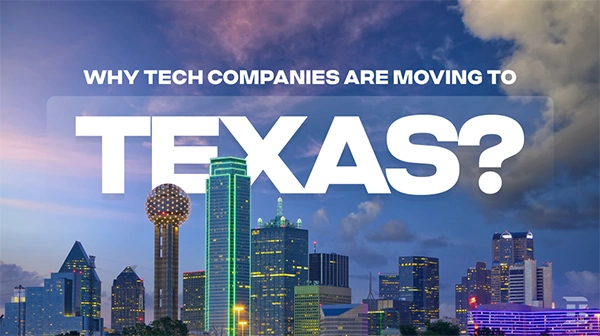
Austin remains a major hub for startups, but Dallas and San Antonio have also developed active technology communities within them. This broader ecosystem develops many opportunities to create valuable relationships across multiple markets instead of just depending on a single network.
Large technology companies have expanded their presence throughout the state, bringing experienced professionals and potential customers into the ecosystem.
Those connections can prove to be beneficial for startups in practical ways. For example, a software company may find initial customers through local industry contacts, while a growing startup can recruit knowledgeable employees who already understand modern technology environments. Regular networking events and industry meetups make it a lot easier to build relationships as well.
The state also offers greater access to a large and growing workforce, with educational institutions such as the University of Texas at Austin and Rice University, producing graduates with enhanced expertise in computer science, engineering, data analytics, and other related fields.
Texas has also attracted professionals from across the country. Lots of experienced engineers and executives have relocated to Texas recently, bringing valuable industry knowledge with them.
This combination of new and seasoned professionals provides startups with access to talent across different stages of growth. For a newly-formed company, that means more hiring options and a greater chance of building a balanced team with better-rounded technical skills and business experience.
Fun Fact
Austin is famously dubbed “Silicon Hills”, overtaking San Jose as the nation’s 10th biggest city, boasting heavy hitters like Apple, Tesla, and Oracle.
Accelerator programs and local economic development initiatives allow founders to refine business models and reach more investors. Funding opportunities have also grown as venture capital firms and angel investors increase their activity throughout the state.
A founder can usually move from an accelerator program to seed funding and then go on to pursue larger investment cycles without needing to relocate.
Research local programs before launching. By identifying available opportunities and funding sources early, you can enhance your strategies that closely align with business goals and provide a stronger foundation for growth.

Selecting where to launch a tech business is about finding a hub where your company can easily adapt and compete over the long term. Texas offers a balance that many founders value, with a business environment that supports ambition without forcing startups to utilize resources too much.
As technology continues to transform industries, entrepreneurs who design strong foundations today usually end up placing themselves in a much better position to seize future opportunities. For many founders, Texas is a great place to build a business that lasts in the long-term.
Ans: Accelerator programs and local economic development initiatives allow founders to refine business models and reach more investors.
Ans: Texas has gained widespread attention from many entrepreneurs because of its relatively business-friendly environment, as it does not force a personal state income tax, making compensation packages much more attractive.
Ans: The state offers greater access to a growing workforce, with institutions such as the University of Texas at Austin and Rice University, producing graduates with expertise in computer science, engineering, data analytics, and other related fields
Ans: Austin remains a major hub for startups, but Dallas and San Antonio have also developed active technology communities within them. This broader ecosystem develops many opportunities to create valuable relationships.
