
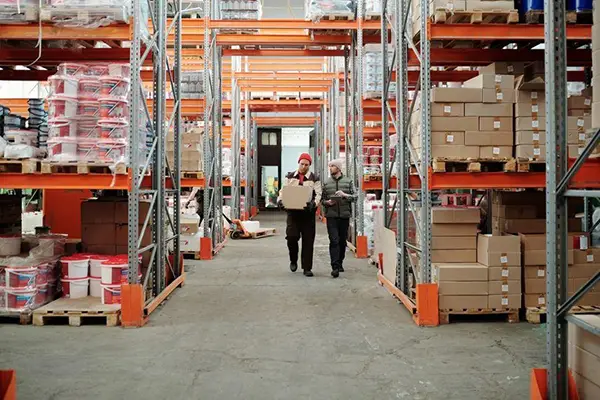
As an entrepreneur working with tangible goods, you will always know that inventory is not something that ever sits idle. Sometimes you will have to deal with too many immovable items that simply refuse to go, and other times you will have to answer to your customers regarding the reason for the disappearance of your most popular product.
An efficient process of replenishing will fix all of this chaos and ensure that your business keeps operating smoothly without affecting the flow of money. Once you realize how current stock planning operates, your decision-making process will become more reliable since you will start basing it on actual trends.
Inventory replenishment refers to the process of restocking products at the right time and in the right quantity. Sounds simple, yet this is where many businesses quietly lose money.
When orders are placed too early, cash gets trapped in products that sit around collecting dust and warehouse fees. If you reorder too late, customers hit “out of stock” walls and may buy from someone else.
You’re balancing demand, supplier lead times, storage space, seasonality, and sales trends all at once. That combination gets messy fast, especially if you rely on spreadsheets stitched together with optimism.
A clothing store, for example, may sell through black basics every week but only move bright seasonal pieces in short bursts. Replenishment is about recognizing those patterns before they turn into expensive mistakes.
Manual methods can work when you have a small catalog and predictable demand. As soon as your product count grows or sales start coming in from different channels, manual planning becomes fragile.
Software helps because it can track stock movement in real time, monitor sales velocity, calculate reorder points, and account for supplier lead times with more consistency than a human who has to handle fifteen tasks before lunch.
If you’re evaluating inventory replenishment software, focus on how it supports actual purchasing and stock decisions rather than flashy dashboards alone. The best systems help you identify what to reorder, how much to buy, and when to act.
That matters especially in industries where one delayed shipment can create weeks of imbalance. Grocery, apparel, electronics, and specialty retail all feel this pressure. Data-backed replenishment isn’t just nice to have anymore. It’s basic survival gear.
You can usually spot replenishment issues before they show up in a year-end report. The clues tend to appear in everyday operations.
Watch for issues like:
– Frequent stockouts on your best sellers
– Overstock of slow-moving items
– Rush shipping fees from last-minute orders
– Staff spending hours manually checking stock levels
– Inaccurate forecasts during promotions or seasonal spikes
– Poor visibility across multiple sales channels
If your warehouse staff, store managers, and finance team all have different numbers for the same SKU, that’s not a small glitch. That’s operational turbulence.
You may also notice customer service teams fielding more questions like “When will this be back?. That kind of friction chips away at trust. Customers rarely care that your reorder point was buried in a spreadsheet tab from three weeks ago.
Good replenishment does a lot more than keep shelves full. It affects revenue, labor, customer experience, and planning confidence.
When your stock levels are better aligned with demand, you won’t be wasting any of your resources. That gives you more flexibility to invest in marketing, staffing, or new products instead of letting money nap in the stockroom.
There’s also a service advantage. Customers remember when an item is available and ships on time. They also remember when it isn’t.
For businesses with multiple locations or online and in-store operations, accurate replenishment supports smoother coordination. One bad count can ripple through every channel.
It is basically an operational rhythm. When replenishment works well, your team spends less time reacting and more time improving the business. Fewer panic orders, fewer awkward explanations, fewer headaches wearing a barcode label.
Not every tool is built the same, and some are better at reporting than at replenishment. You want software that helps you act, not just admire colorful charts.
Look for features such as:
– Automated reorder point calculations
– Demand forecasting based on sales history
– Lead time tracking by supplier
– Low-stock alerts and replenishment recommendations
– Multi-location inventory visibility
– Integration with POS, ERP, or ecommerce systems
– SKU-level performance insights
– Purchase order support
A practical example: if you run an online store for home goods and also sell through a marketplace, your tool should reflect total demand across both sources. Otherwise, one platform can quietly drain stock while the other still looks healthy.
Ease of use also matters here. If your team avoids the software because it feels like deciphering cockpit controls, adoption will stall.
An intelligent system helps a lot, but it won’t rescue bad inputs or messy operations on its own. Software is powerful, not psychic.
If your inventory numbers are not accurate, your replenishment recommendations may be off. If supplier lead times keep changing and no one updates them, forecasts get shaky. If products are miscategorized or bundled incorrectly, reporting can go sideways fast.
You also require human judgment for unusual events. A local festival, a viral social media mention, port delays, or unexpected weather conditions can all distort normal demand patterns.
That means your process should combine automation with regular review. Weekly check-ins on high-priority SKUs can prevent expensive surprises.
The best results come when your purchasing team, warehouse staff, and leadership all work from the same inventory logic. Otherwise, one person is trying to steer while three others are enthusiastically grabbing the wheel.
You don’t require a full operational overhaul by next Tuesday. Small changes can improve your replenishment process noticeably.
Start with these steps:
– Identify your top 20 percent of products by revenue or order frequency
– Review lead times for your most important suppliers
– Set minimum stock thresholds for core items
– Separate fast movers from seasonal or low-demand products
– Audit inventory counts regularly
– Track stockouts and overstocks as measurable problems
– Compare forecasted demand with actual sales each month
If you’re already using software, check whether your team is using its recommendations consistently. Many organizations buy a good tool and then keep making decisions based on memory and instinct. Old habits are clingy.
Also, promotions need to be monitored too. A discount campaign without replenishment planning can drain inventory fast and leave your “best sale ever” followed by “nothing left to sell.”
As your business expands, replenishment gets more complex. More products, more suppliers, more channels, more chances for small mistakes to become expensive ones.
You’ll want an approach that scales. That means written reordering policies, reliable data flows, clear responsibilities, and systems that can handle growth without turning every busy season into a fire drill.
A good long-term approach usually includes:
– Defined service level targets
– Regular demand reviews
– Supplier performance tracking
– Technology that supports automation
– Clear exception handling for unusual demand spikes
You do not need perfection. You need control, visibility, and the ability to adjust quickly.
When replenishment is treated as a strategic function instead of a back-office chore, your whole business gets sharper. You serve customers better, protect cash flow, and give your team a process they can trust. It’s always a better idea than keeping your fingers crossed, hoping to have some good news in your stock room.
