

Renovating a house is an exciting journey. It’s a chance to transform a series of rooms into a space that reflects how you live every day. Whether it’s about updating an outdated kitchen or refreshing a bathroom, the process brings a real sense of potential.
However, anyone who’s ever swung a hammer or reviewed home projects knows that home projects can run past their original budgets. Planning a smart renovation requires a balance between a huge creative vision and grounded financial discipline.
With a clear plan, practical prioritization, and a realistic funding strategy, you can create updated space without putting additional pressure on your wallet.
Before you pick out tile samples or look at paint colors, you need to clearly define what you want to achieve. It’s easy to start with a modest plan to replace cabinet doors and end up with a full floor-to-ceiling structural overhaul.
To keep costs under control, divide your ideas into two lists: non-negotiable needs and secondary wants.
Needs are the functional elements that make the space livable or address underlying structural issues. This could involve repairing a leaking roof, replacing worn-out wiring, or fixing plumbing before adding new fixtures. Wants are the aesthetic upgrades, like quartz countertops, custom millwork, or high-end appliances.
If costs start to rise during the planning phase, your list of requests gives you an immediate blueprint for where to make adjustments without compromising the structural integrity or utility of your home.
The most common reason home renovations go past the budget isn’t necessarily poor spending habits, but rather an unrealistic starting number. Many homeowners look at the cost of materials and labor, add them together, and assume that’s their final price tag.
Real-world projects seldom run that smoothly. Old homes often hide outdated electrical systems, structural wear, or moisture issues behind walls. When those surprises pop up, work stops until the budget expands to cover them.
A safe practice is to build a disaster fund directly into your budget. Set aside 15 to 20 percent of your total allocation strictly for unexpected costs. If you go through the entire project without using that fund, you can apply it toward new furnishings or save it for upcoming home updates.
Knowing how you’ll pay for your project before arranging contracts is critical. Small cosmetic updates can often be paid out of cash savings. However, larger projects like room additions or major kitchen overhauls usually require financing.
Take time to evaluate your options to find a structure that fits your long-term goals. Many homeowners explore home improvement loans to cover larger renovation expenses with clear terms and structured repayment plans. Having your payments organized early gives you a concrete limit, making it much easier to negotiate with contractors and stick to your baseline numbers.
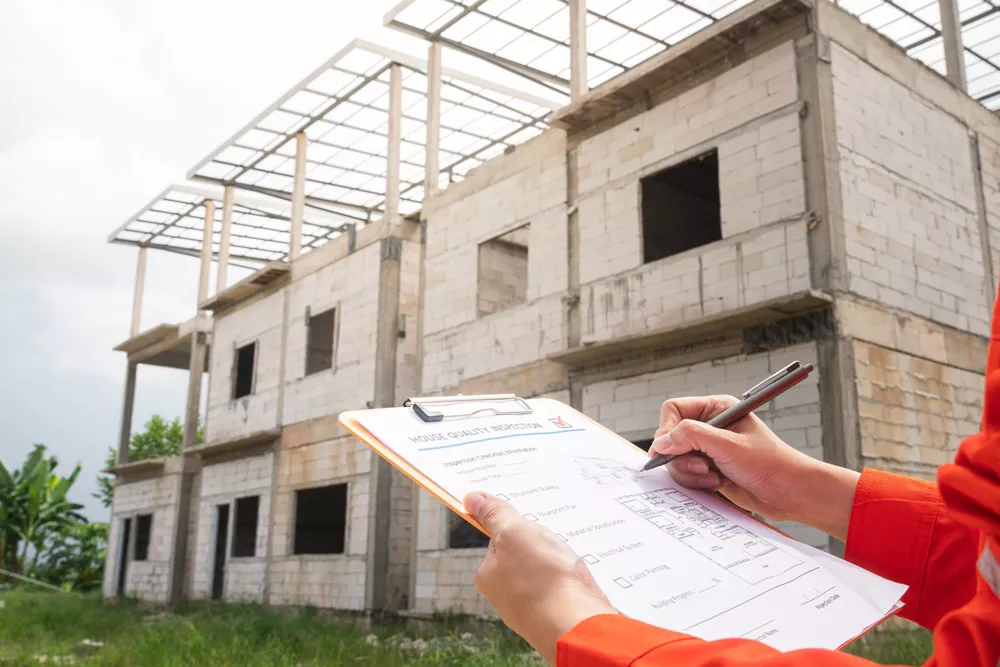
Your choice of contractor plays a significant role in both the quality of the finish and the final cost. Rushing this decision can lead to miscommunications, delays, and unexpected costs down the road.
Gather detailed quotes from at least three licensed contractors. Make sure every quote outlines the exact same scope of work so you can compare them fairly. A detailed contract should break down the costs of labor, materials, permits, and a projected timeline.
Be skeptical of quotes that come in significantly lower than others. A very low bid often means the contractor missed key details, plans to use low-quality materials, or intends to add cost adjustments later in the process.
One of the fastest ways to exceed a renovation budget is moving plumbing, gas lines, or load-bearing walls. Moving a sink across a kitchen or shifting a toilet in a bathroom requires opening up floors and walls to rerun piping, which requires specialized trade labor and additional building permits.
If your current layout works reasonably well, focus your budget on surface finishes, lighting, and fixtures instead of reconfiguring the floor plan. Situating your sinks, stoves, and toilets in their existing spots frees up a large portion of your budget for quality materials and better fixtures.
Not every element of a room needs top-tier materials. Establishing where to invest heavily and where to source affordable alternatives is a key skill in cost-effective renovation.
Invest in items that endure high daily wear or are tricky to replace later. High-use hardware, durable flooring, solid cabinetry, and quality plumbing valves are worth spending more on initially.
On the other hand, items like light fixtures, decorative tile backsplashes, hardware knobs, and wall paint can be sourced at modest price points without sacrificing style. These smaller decorative designs can also be swapped out easily in the future as trends change.
Once construction starts, changes to the plan become very expensive. In the industry, these are known as change orders. Every time you decide to change a tile pattern, relocate a light fixture, or switch a cabinet style after work has begun, it disrupts the timeline and adds labor costs.
Spend extra time in the planning phase visualizing the final space. Make every material selection, affirm all measurements, and finalize design details before demolition day. Sticking firmly to your original design choices is one of the most effective ways to keep a project on schedule and on budget.
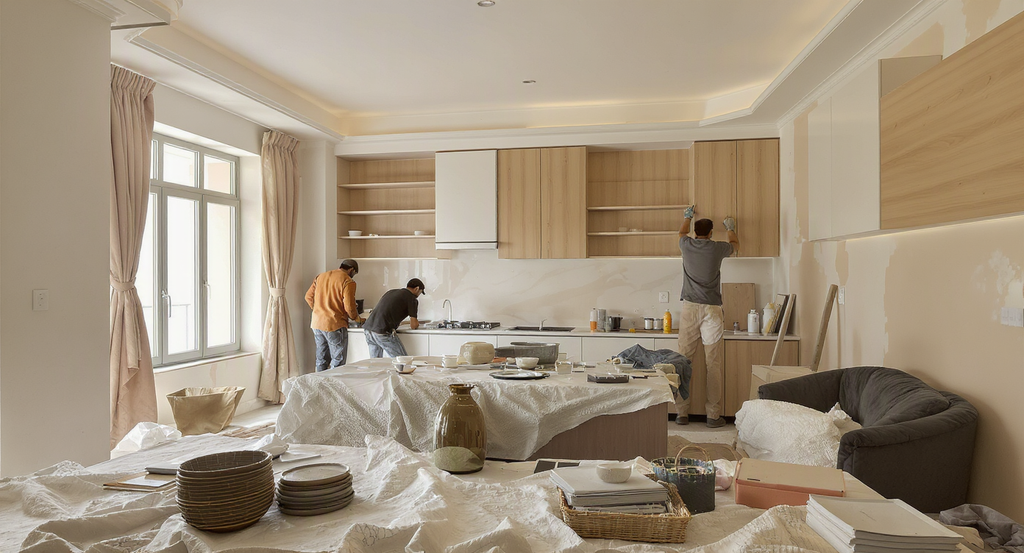
In addition to major materials and labor, smaller auxiliary expenses can add up quickly during a renovation.
Accounting for these smaller expenses in advance keeps them from taking you by surprise midway through the build.
A successful renovation enhances your daily life now while adding lasting financial value to your property. Where possible, make choices that lower your monthly home maintenance costs over time.
Adding quality insulation, installing energy-efficient windows, or opting for low-flow plumbing fixtures can reduce utility bills for years to come. Thinking about long-term durability implies that your investment continues to pay off long after the dust clears and the project is complete.
Taking on a home project requires patience, research, and careful planning. By setting a clear budget, working with experienced professionals, and making smart design choices, you can create a home you love while keeping your finances firmly on track.
Ans: The following are the expenses:
Ans:Items like light fixtures, decorative tile backsplashes, hardware knobs, and wall paint can be sourced at modest price points without sacrificing style.
Ans:Your choice of contractor plays a significant role in both the quality of the finish and the final cost. Rushing this decision can lead to miscommunications, delays, and unexpected costs.
