
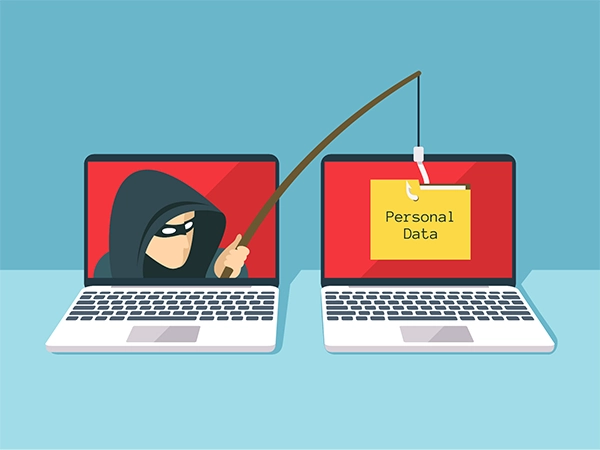
Phishing has been around for a long time, and they still continue to be one of the most successful cyber threats to date. This is because it targets and exploits people instead of just security systems.
This cyber attack utilizes a range of tricks and attack vectors to trick victims into disclosing sensitive information or transferring money, making it very dangerous for individuals and organizations alike.
The following phishing types are responsible for the greatest personal and financial harm today.
For all the good it brought, the introduction of LLMs has also turned out to be a force multiplier for phishing scams. Even general phishing, which casts the widest net but also has the lowest success rate because most people were on to it, is a serious threat again.
AI was transformative in several areas. Its writing is grammatically flawless, and it’s become an essential tool to translate phishing messages into dozens of languages. This lets a single scam reach exponentially more people, and more are liable to become victims since old red flags like bad spelling aren’t there anymore.
It’s also now easier to generate the fake websites that phishing emails bring you to. Luckily, some telltale signs remain. Phishing emails still have an urgent tone, come from fake or spoofed addresses, and want you to expose sensitive data like account credentials and financial information.
Unlike the general variant, spear phishing relies on careful target selection. Attackers might spend weeks targeting a person or organization. They may search publicly available data on the target, imitate the writing style of compromised emails among their contacts, and reference recent events or activities.
All of this makes spear phishing both increasingly harder to detect and more likely to succeed. Attackers will address the recipient by name, reference events like meetings or coworkers, and innocuously ask them to do certain harmful things. They may be asked to reset passwords or open documents that contain malware.
Spotting spear phishing requires great attention to detail. Requests involving credentials are always suspect, as are attached documents you never asked for nor were expecting. If an email seems at all out of place or unusual, it’s best to be cautious than sorry later.
BEC is the most sophisticated form of traditional phishing. Instead of targeting individuals and organizations from without, it usually starts by compromising the email of executives, suppliers, or customers.
The emails rarely include links, so filters won’t flag them. Attackers aim for victims who can authorize wire transfers or change payment details instead. The most well-known BEC incidents damaged affected parties for millions of dollars, making it by far the most damaging phishing attack type.
Paying attention to a BEC email’s contents and context is important to recognizing it. A request to change payment details might not be reason enough to suspect it. However, the likelihood of fraud increases if the tone sounds urgent, and doubly so if the sender is asking you to circumvent established procedures or generally behaving out of character.
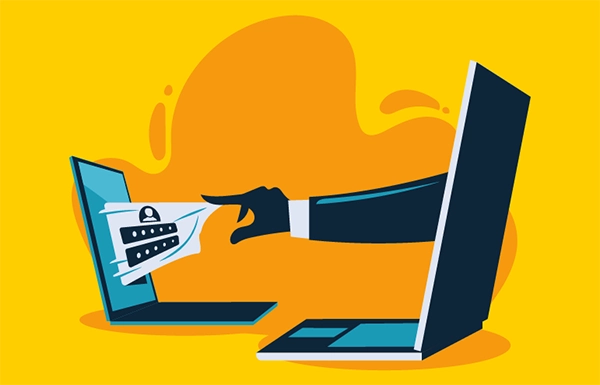
This phishing type exploits victims’ past interactions with the sender. First, attackers gain access to the sender’s address. They then look for high-value email chains that contain invoices, attached files, or contract updates.
Attackers create copies of such emails, including identifiable characteristics like logos, but replace links and attachments with harmful ones. They resend the email, claiming the original’s link contained a typo or that they’re sending an updated version of the original attachment. The victim already trusts the sender and had no trouble with the first interaction, making it highly likely that they’ll fall into this trap.
Focusing on attachments and links gives you the best chance of recognizing clone phishing. For example, an edited Google Doc should have the same link as the original file. Likewise, attached “documents” ending in extensions like .exe or .xlsm execute code on your device, unlike protected formats like .pdf.
An attack that uses text messages (SMS) instead of email. People tend to trust texts and are more likely to interact with included links. Attackers use all kinds of pretexts: failed deliveries, package tracking changes, account suspensions, etc. They also shorten the links to make them harder to spot.
Smishing isn’t hard to spot, especially if you’re not expecting any deliveries. Treat any text containing shortened links with suspicion, especially if it sounds urgent and references “problems” like account suspensions.
Email has become only one of many channels phishers are expanding into. It’s become common to receive similarly urgent and deceptive messages through social media DMs and even business communication applications like Slack. Attackers may act as recruiters, invite you to join non-existent projects, or impersonate coworkers.
The channel might be different, but the same precautions apply. Be wary of unsolicited messages, especially if they come with attachments or ask you to expose your credentials or personal information.
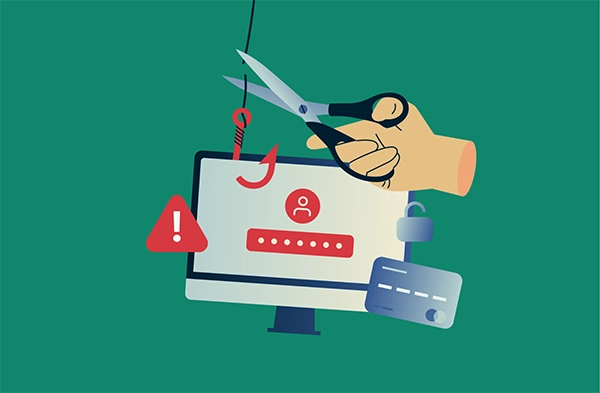
We’ve already seen that awareness is key to recognizing and thwarting most phishing attacks. That said, it’s best to have a comprehensive cyber defense in place. That means:
Ans: The following are the ways to protect yourself:
Ans: Attackers create copies of authorized emails, including identifiable characteristics like logos, but replace links and attachments with harmful ones.
Ans: AI helps fix minor mistakes in the text, body, formatting, and more for phishing messages, making it sound even more authentic and real.
