
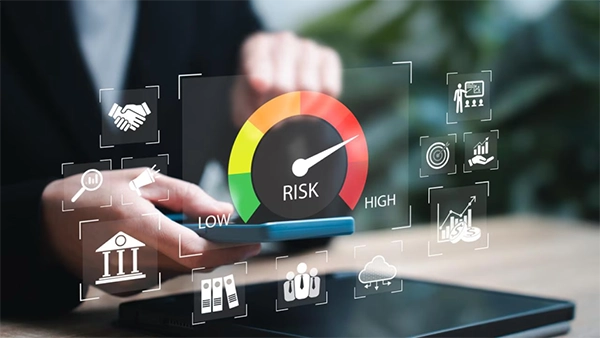
Modern businesses work in a fast-paced environment, with changes and uncertainty happening constantly. But digital threats, alternative market demands, regulatory pressure, and risks can disrupt that flow and cause operational delays.
This is why businesses must become proactive and stay ahead of their competition when issues arise and deal with them quickly by using smarter tactics, strategic planning, and unique approaches.
Let’s understand these smart ways and how emerging risks can be minimized by integrating them correctly into the business’s workflow.
Key Takeaways
- Comprehending the nature of emerging risks
- Regularly updating technology for stronger protection
- Collaborating with industry experts and partners
- Investing in regular improvements to business infrastructure and digital systems
Emerging risks often develop quietly before becoming serious challenges. They may stem from technological innovation, economic volatility, environmental changes, or evolving customer expectations.
Businesses that know how to minimize and manage these risks tend to focus on fast adaptability and awareness. Leaders must take on responsibility, encourage clear communication, monitor trends, and create problem identification systems early.
For example, cybersecurity threats continue to grow in complexity. Organizations that rely heavily on digital infrastructure must anticipate vulnerabilities and recognize that traditional safeguards may no longer be enough.
By fully understanding these risks and their evolution, firms can take important steps to prepare for them rather than scrambling for fixes at the last minute.

A strong foundational culture plays a vital role in risk aversion and prevention. When even entry-level employees understand the situation and its importance, businesses are better equipped to respond to future threats.
Encouraging transparency, continuous learning, and accountability ensures that potential problems are flagged before they escalate.
Training programs, clear reporting channels, and collaborative decision-making all contribute to a proactive risk culture.
When teams feel confident to share analytics and insights, innovation becomes part of the solution.
This approach helps businesses move from a reactive stance to one that anticipates and mitigates challenges more effectively.
Did You Know?
The World Economic Forum has reported that the businesses that regularly address challenges of AI, cybersecurity, and digital infrastructure will be better positioned to survive in uncertainty.
Technology can provide valuable support in identifying and addressing new risks. Data analytics tools, automation, and real-time monitoring systems allow organizations to detect unusual patterns and respond quickly.
Investing in intelligent security frameworks is no longer optional for businesses aiming to stay competitive.
Solutions such as MDR platforms help organizations strengthen their defenses by offering advanced detection and response capabilities.
These tools help businesses monitor threats constantly, improve incident response times, and reduce overall delays and disruptions to the infrastructure. By integrating modern technologies into their operations, companies can enhance both efficiency and resilience.
Forward-thinking risk management also involves strategic planning that accounts for uncertainty.
Companies must regularly update and set new goals, assess vulnerabilities in the system, and configure contingency plans. This assists the leaders in aligning the resources needed to overcome potential challenges and ensure stability during periods of change.
Flexibility is equally important. Organizations that adapt quickly to new circumstances are better positioned to protect their reputation and maintain customer trust.
Whether adjusting supply chains, revising operational processes, or exploring new markets, the ability to pivot can determine long-term success.

No business operates in isolation. Collaborating with external partners and industry specialists can provide valuable insights into emerging risks.
Consultants, technology providers, and professional networks often bring fresh perspectives and innovative solutions that internal teams may overlook.
Setting and maintaining excellent relationships with trusted partners allows businesses to exchange knowledge and stay informed about changing trends.
This type of approach supports and escalates the quality of decision-making and helps organizations stay agile in an unpredictable environment.
Staying a step ahead of emerging risks is an ongoing journey rather than a one-time effort. Enterprises should stick to constant improvement by evaluating previous experiences, modifying strategies, and exploring the objectives laid out by the firm.
Regular assessments and performance reviews ensure that risk management practices remain effective and aligned with organizational objectives.
By fostering a proactive culture, embracing advanced technologies, and maintaining strategic flexibility, businesses can navigate uncertainty with confidence. Smarter approaches to risk management not only protect operations but also create a foundation for innovation and sustainable success.
Ans: Training programs, clear strategies, transparent working, accountability, clear reporting channels, and more help build a proactive culture in a business.
Ans: Regular improvements and updates to systems and technology ensure that infrastructure remains prepared for future threats and attacks, supported by clear security plans.
Ans: Yes, knowledge sharing and collaboration with consultants, tech providers, and industry experts help organizations stay agile and better prepared.
Ans: The first step is to observe and understand the threat, design a plan, and execute it carefully for the most effective and safe outcome.
