
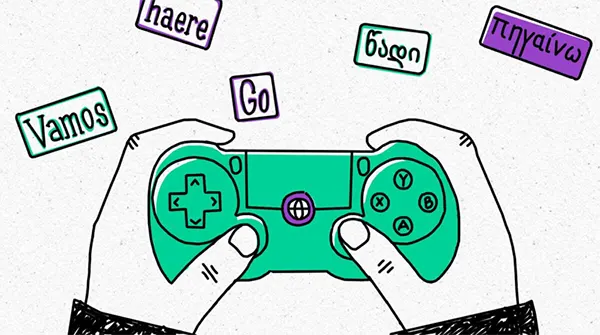
Development studios keep encountering the same problem. You build a solid game, launch it in English, but the revenue plateaus way sooner than expected. The fix? Bringing in a professional video game localization agency.
These specialists don’t just translate your creation. They make the whole experience feel native for untapped regional markets, allowing you to gain significant benefits that pay off in real dollars.
But how does it actually impact the business? What advantages does the service provide? Let’s find out with this comprehensive guide.
Key Takeaways
- The ROI of a company gains a significant boost as organic rankings in regional markets increase
- Agencies work with clear analytics and data to gain knowledge of a language instead of running on guesswork
- The output is usually generated within two to three weeks with the modernisation of various tools
- This lets brands stay competitive and relevant to many untapped regional markets where they had no standing before
Let’s talk real numbers, not theory. Indie and mid-size studios investing $15k–$25k in a five-language localization run often pull in $120k–$400k+ in extra first-year revenue.
Some see full payback in under 30 days once the localized version hits the right markets. That’s the kind of return you can actually plan around.
The agency model also cuts risk in ways you don’t always see on a spreadsheet at first. No more cultural slip-ups that tank reviews or scare off players in their home markets.
Organic rankings in regional markets get a boost, lowering blended user acquisition costs at a time where UA keeps getting more expensive.
You’re not burning cash on ads to compensate for a game that feels foreign – the store pages themselves do the heavy lifting.
For live-service games, continuous localization keeps updates and events fresh everywhere without slowing the global rollout. Player engagement stays high, and recurring revenue doesn’t take those sharp post-launch dips that kill momentum.
One studio I saw recently went from 25% international revenue to 62% after switching to a full agency partnership – and their churn rate dropped 18% in the new markets because players finally felt like the game was built for them.
But here’s the part a lot of founders miss at first: the agency doesn’t just translate – it becomes an extension of your growth team.
The business attains access to people who live and breathe gaming and its slang in many different languages. They know what colors or symbols might offend in one country but land perfectly in another.
That kind of insider knowledge turns potential disasters into competitive advantages.
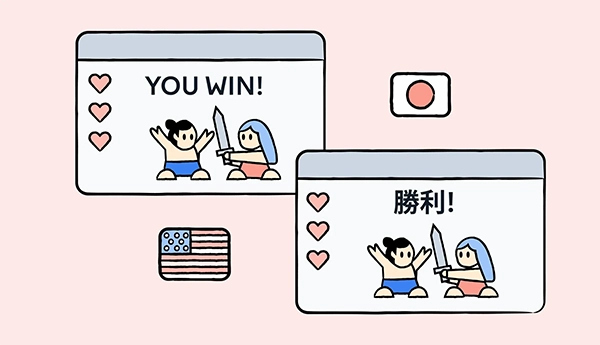
The best agencies follow a pretty straightforward playbook. They start with internationalization of the codebase so strings, audio, and assets can be adapted without breaking everything later.
Additionally, they prioritize languages using real analytics and data instead of guesswork. No more “let’s use Spanish because it’s big”, it’s always based on the game’s specific genre that actually makes money.
Native speakers who actually play games handle the translation. Cultural experts check humor, symbols, and references so nothing lands wrong.
Technical bits cover text expansion (German or Russian can balloon 30–50%), voice casting, and layout tweaks. Suddenly, your UI doesn’t look stretched or cramped, and the game flows naturally, no matter where it’s played.
But the final check is always in-game testing by real local players, not just linguists. They make sure the game still feels fun to play. Most teams that see strong ROI function something like this:
Each step compounds. Skip internationalization, and you pay twice later in rework. Skip real player testing, and you risk shipping something that technically works, but nobody actually enjoys.
The agency handles all of it, so your dev team stays focused on what they do best – building the core game.
Fun Fact
Jokes, cultural references, and idioms are often completely rewritten to match the humor and context of a target culture, not just translated word-for-word.
| Fun Fact |
| Jokes, cultural references, and idioms are often completely rewritten to match the humor and context of a target culture, not just translated word-for-word. |
Hybrid AI-plus-human setups are now the norm. AI handles the first pass and keeps everything consistent, while humans focus on tone, humor, and cultural nuance. Timelines shrink without the quality drop.
Earlier studios used to wait months for localization to complete. Now the output is generated in two to three weeks, with the results becoming increasingly better as humans have more time to perfect it.
Regional dialects are getting more attention, too. One generic Spanish version doesn’t cut it anymore – separate versions for Latin America and Spain (or nuanced Arabic flavors) actually lift engagement and spending in those sub-markets.
The extra effort shows up in higher daily active users and better monetization because players feel truly understood.
Studios are also paying closer attention to ethics and speed when picking partners. Mobile-first teams especially want agencies that deliver fast without cutting corners in their tight update cycles.
You’re not only buying translation, you’re also buying peace of mind, enabling your brand to stay strong and competitive across every territory.
On top of that, many agencies now offer post-launch performance dashboards. You can see exactly which languages are driving the most revenue, where retention is strongest, and which cultural tweaks made the biggest difference.
The data is directly forwarded into your next release, turning localization from a one-off expense into an ongoing competitive advantage.
In 2026, the business case for partnering with a video game localization agency is simple and measurable.
You get higher international revenue, lower acquisition costs over time, stronger retention, and a more resilient global portfolio. The studios that treat this as a core strategy instead of an afterthought are the ones pulling ahead.
The data is clear, the math checks out, and the players are already waiting in their own languages. If you’re serious about scaling, this is one of the highest-leverage moves on the table right now.
Start early, pick the right partner, and watch what happens when your game finally speaks every market’s language fluently. The question isn’t whether it works – it’s how long you wait before you make it part of your growth plan.
