

Launching a new product always involves uncertainty, especially for startups that have limited time and budgets. Many founders seek guidance from professional PPC experts as they run paid advertising campaigns and present analysis on which audiences, messages, and offers respond best.
Instead of waiting months for slow feedback on their digital processes, startups use this optimized marketing method to gather real signals, thereby streamlining product and strategic decisions by a significant margin.
Let’s understand how this is made possible and why this strategy reduces risk faced by investors considerably.
Key Takeaways
- Many startups actually end up investing too much in the wrong areas before even confirming the demand for their services from their customers.
- Discovering a firm’s target demographic is the most important way of knowing what the audience actually needs.
- When expenses are divided across multiple channels, the rate of failure decreases.
- Feedback from real prospects allows startups to change or modify their approach before it’s too late.
Many startups invest too much in the wrong areas before confirming what their customers actually want. PPC campaigns allow founders to develop ads focused on a product concept that measure clicks, sign-ups, and interest before committing too many resources.
This solution presents early insights, helping firms determine whether the idea requires further tweaks.
A simple landing page, paired with search or social ads, can serve as a demand test. If users engage with the message and join a waitlist, it signals genuine curiosity.
If traffic arrives but there are fewer conversions, then the startup gets a warning sign before spending more on production.
Even fundamentally strong products fail to make an impact when marketed to the wrong audience. PPC platforms allow startups to target users through demographics, interests, location, device type, and search intent, making it a lot easier to quickly compare multiple customer groups at once.
For example, a software startup may believe freelancers are the ideal market, but campaigns may show small agencies convert at a higher rate. This type of analysis completely changes future messaging, pricing, and sales strategy. Instead of depending on assumptions, businesses gain strong evidence from real users.
The way a product is described to an audience can determine whether people care about it. PPC campaigns allow firms to test different headlines, descriptions, and figure out such changes in a short period. Small wording tweaks often create major differences in click-through rates.
A startup might compare advertisements focused on saving time versus reducing costs. If one message regularly performs better, it reveals what matters most to potential buyers. This vital feedback is then used to improve website copy, investor pitches, and launch campaigns.
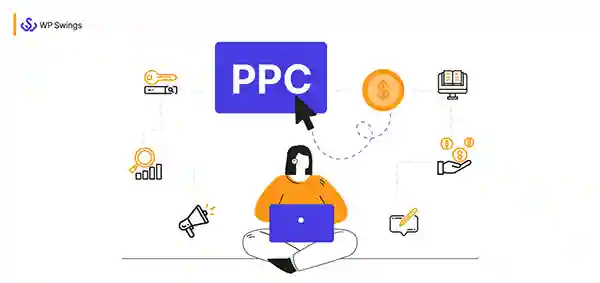
Pricing is one of the toughest decisions for a budding business. Charge too much and the demand drops. Charge too little and growth becomes stagnant and difficult to sustain. PPC traffic can assist startups in testing pricing reactions before moving ahead with the official launch.
Landing pages can present differing plans or introductory offers to separate audiences. By comparing the sign-up rate, founders can see which price point displays the strongest response.
This creates a more informed pricing strategy built on data rather than just guesswork.
Every platform produces different results. Some products perform best on search engines where users already find intent, whereas others succeed on social media platforms where discovery drives interest.
PPC allows startups to create and test such channels without needing to stick to one path too early.
A consumer application may gain attention through paid social ads, while a B2B tool may end up performing better with a search campaign. Knowing where conversions originate helps startups decide future budgets wisely, also preventing waste on channels that appear popular but fail to make any impact on the customers.
Fun Fact
Proactive targeting and marketing allow firms to target users who previously visited their site but didn’t make a purchase, often resulting in higher overall conversions.
PPC validation is not only concerned with marketing performance. It also reveals product weaknesses that require a firm’s attention. If users click on ads but leave quickly, the product promise may not match the real experience, and if many visitors keep asking the same questions, clarity may be absent.
These signals are important as they come directly from real prospects. Startups can adjust onboarding, features, packaging, or messaging based on the observed behavior of customers. Quick improvements become possible when campaigns run alongside active testing
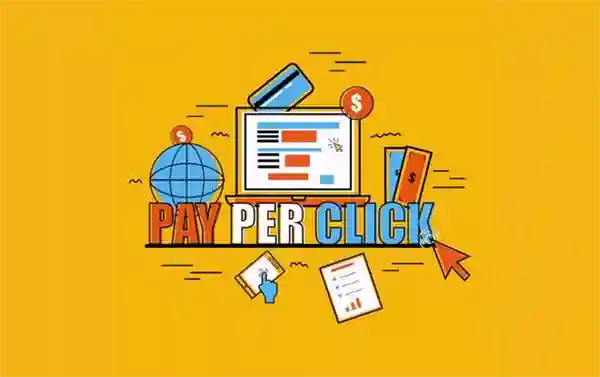
Investors often look for proof that a market exists. PPC data can strengthen that case by showing cost per lead, conversion rates, and audience demand. Instead of presenting only opinions, startups can present measurable traction.
Founders also benefit because every early insight reduces uncertainty. Better data means smarter hiring, stronger launch planning, and more confidence in the roadmap. Validation through paid traffic helps teams move forward with fewer blind spots.
Smart startups need PPC because maintaining speed is important while building something new. Paid campaigns provide quick answers on a lot of customer-related objectives and data, while also keeping costs to remain manageable.
By treating PPC as a validation tool rather than just an advertising method, startups can launch better products more quickly and avoid expensive mistakes.
