

“Beware of little expenses. A small leak will sink a great ship.”
— Benjamin Franklin (US Founding Father)
For many business owners, tax season feels less like paperwork and more like survival mode. A survey even found that 63% of them experience stress in this period. One missed receipt or deduction, or one late filing, can damage your finances as well as your mental health.
The good news? Managing business taxes doesn’t have to be chaotic. You just need the right systems, tools, and habits in place, and this period turned into a smooth, predictable process instead of an annual headache.
Here are some practical ways to simplify your business taxes and stay ahead year-round.
KEY TAKEAWAYS
- Starting your tax preparation early helps reduce errors, missed deductions, and last-minute stress.
- Accounting software can automate bookkeeping and simplify taxation significantly.
- Keeping company and personal finances separate improves accuracy and organization.
- A proactive tax strategy can save money and make future seasons much smoother.
Procrastination may work for laundry, not taxes, as scrambling at the last minute increases the risk of:
Starting early is your best bet to stay on top of everything. When you begin preparing in advance, you give yourself plenty of time to get organized, gather the necessary documents, and potentially even spot tax-saving opportunities before they slip through the cracks. Plus, you’ll avoid that overwhelming panic that often comes with leaving everything until the deadline.
Here’s a simple hack: Keep a running list of all the documents you’ll need throughout the year. As receipts, invoices, and other paperwork come in, file them immediately. Trust me — a little bit of time spent organizing now can save you a huge headache when it’s time to file your taxes.
Modern accounting software can do the heavy lifting for you.
Tools like QuickBooks, FreshBooks, and Xero can track income and expenses in real time, generate reports, and even help you prepare your documents.
Think about it: You don’t have to be a tax expert to use these tools. They’re designed to be user-friendly, and most have guides or tutorials to help you get started. Plus, they can make taxation a breeze by organizing everything in one place. By the time tax season rolls around, all you’ll need to do is download a few reports, double-check everything, and hit submit.
If you’ve never used accounting software before, consider giving it a try. It makes the whole process surprisingly easier.
Mixing personal and company expenses is one of the fastest ways to create confusion.
It might feel tempting to pay for business expenses with your personal credit card or to dip into your company account for a personal purchase, but trust me — this will only make your life harder come tax time.
When your finances are all jumbled together, it becomes nearly impossible to figure out what’s business-related and what’s not. You might miss out on valuable deductions, or worse, end up paying taxes on things that should’ve been deducted as company expenses.
The solution? Keep everything separate. Set up a dedicated business bank account and use it exclusively for company transactions. The same goes for credit cards — get a business credit card to keep things clean and simple. This simple step will save you so much time and stress when you’re filing your taxes.
Many businessmen leave money on the table simply because they don’t know what they can claim.
One of the best ways to reduce your taxable income is by taking advantage of deductions and credits that you might not even know about.
There are 10 deductions that every business should claim:
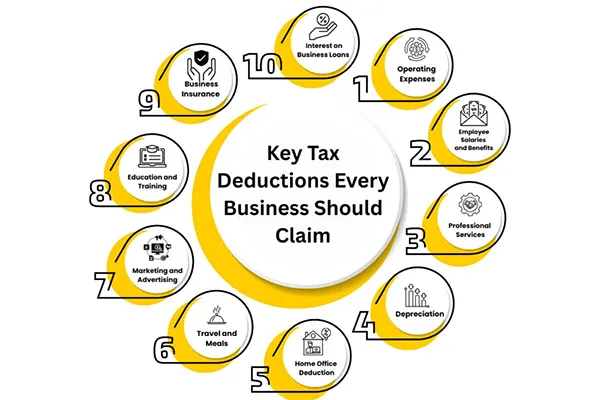
And let’s not forget credits! These are even better than deductions because they directly reduce your tax bill dollar-for-dollar. The thing is, you may be overlooking certain deductions or credits that could save you a lot of money. For example, did you know that if you use a personal vehicle for business purposes, you can deduct mileage? Even for the software you use in your company.
If you’re still unsure, consult a professional. You might be missing out on a significant opportunity to lower your bill.
Sometimes the smartest financial move is asking for expert guidance.
Business taxes can get complicated, and if you’re feeling lost, there’s no harm in seeking help from a professional. For example, a tax accountant in Scottsdale, AZ, can help you navigate the maze of deductions, credits, and laws that apply specifically to your situation.
An experienced accountant doesn’t just help with filing — they can also offer valuable advice to save you money in the long run. They can help you identify potential pitfalls, make sure your business complies with tax laws, and help you maximize your deductions.
If you’re feeling overwhelmed, hiring a pro can give you peace of mind knowing that everything is being handled correctly.
Laws and regulations change like clockwork. So, how do you stay on top of it all?
Firstly, don’t panic. Staying informed is easier than ever thanks to:
Make it a habit to check for updates on tax regulations, especially those that impact your company. The IRS website is a great place to start, but there are also plenty of blogs, podcasts, and YouTube channels dedicated to business taxes that break things down in an easy-to-understand way.
Staying up-to-date doesn’t mean you have to become a tax expert yourself. It just means you should keep an eye out for any changes that could affect your business. The sooner you know about changes, the sooner you can adjust your strategy.
Successful businesses don’t react to taxes; they plan for taxes. Creating a tax strategy is key to making future seasons a lot easier.
Start by setting aside money throughout the year for taxes. So no scrambling for funds when it’s time to pay. It’s also a good idea to track your estimated quarterly taxes if you’re self-employed. That way, you can avoid any unpleasant surprises when the end of the year rolls around.
Think of tax strategy as a way to ensure you’re never blindsided again. A little planning now can save you big time in the future.
Business taxes are not exciting, but they don’t need to be overwhelming either.
To make the next season smoother, consider:
Remember, it’s all about simplifying the process and staying proactive throughout the year.
Take action today. The sooner you start, the less you’ll have to stress when the season comes around. And hey, you’ve got this!
