
Healthcare organizations are under constant pressure to improve patient outcomes while managing strict data protection and administrative complexities. This is where an EHR system helps deal with these requirements.
Alternatively, an EHR system not optimized for the healthcare provider’s workflow and design may just end up causing more problems than supporting their goals, making the choice of software an incredibly important one.
This article outlines why custom EHR systems work better than commercial alternatives and how their development benefits the healthcare workflow and scale growth while meeting regulatory requirements.
Key Takeaways
- The limitations of a generic EHR system and its impact
- Benefits of custom EHR solutions and their development to achieve scalability
- When does the development of a custom EHR platform make sense
- Choosing the right EHR development partner for your healthcare operations
Commercial and generic EHR software systems are built for broader healthcare organizations. This approach may look convenient in the short term, of things but are too non-specific for specialised operational needs.
Common challenges include:
These limitations can slow down daily operations, increase staff frustration, and introduce unnecessary risks to sensitive patient data.
Custom-built EHR systems are designed around the specific needs of healthcare organizations, rather than forcing teams to adapt to predefined software structures.
This approach delivers considerable advantages across complex operations, security, and long-term scalability.
Custom EHR aligns better with existing clinical and administrative processes and workflows, helping eliminate redundant tasks. Features can be tailored to how users interact with the system every day.
Typical workflow improvements include:
By simplifying everyday tasks, healthcare professionals can spend more time focusing on patient care instead of system navigation.
Healthcare data is highly sensitive and heavily regulated. Custom EHR systems allow organizations to embed security and compliance requirements directly into the system architecture.
Key advantages include:
Unlike the generic platforms, custom solutions always give firms better customisability options over their software and how patient data is managed and protected.
Healthcare organizations evolve – adding new departments, expanding services, or adopting digital health technologies such as telemedicine.
As custom EHR systems are built with scalable growth in mind, it makes it easier to adapt to the current operations of the workplace without expensive design replacements.
A future-ready EHR system supports growth while preserving performance, security, and usability.
Did You Know?
EHRs can check for potential drug-to-drug interactions in real-time, instantly notifying doctors of medication issues or conflicts before a prescription is readied.
Partnering with a custom EHR development company is often the right choice when:
In these cases, a tailored solution can provide better long-term value than modifying or extending an off-the-shelf product.
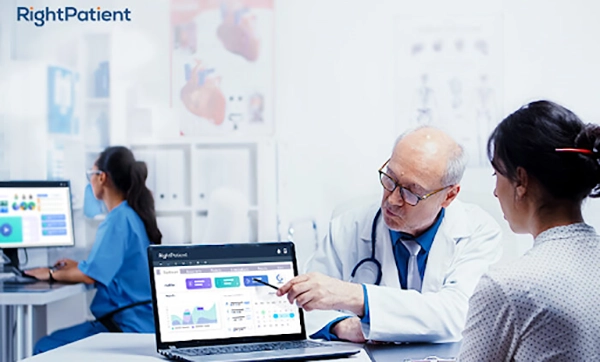
Successful EHR projects require more than technical expertise. A strong development partner understands healthcare regulations, clinical workflows, and the importance of usability alongside security.
Experienced teams in the healthcare software development department help design systems that maintain the balance between compliance, user experience, and performance. This ensures that the final product supports both efficiency and patient care.
Teams with experience in healthcare software development can help design systems that balance compliance, performance, and user experience – ensuring the final product supports both operational efficiency and patient care.
If you’re considering EHR software development tailored to your organization’s workflows and plans, working with a partner that combines healthcare domain knowledge with custom software expertise can significantly reduce risk and improve outcomes.
A custom EHR platform is not just a fancy upgrade but a strategic investment to maintain standards of operational efficiency, data security, and long-term scalability.
By moving beyond the limitations of off-the-shelf systems, healthcare organizations can build EHR platforms that truly support their teams, protect patient data, and adapt to future demands.
Ans: Usual EHR platforms are designed with generic features and made to fit into everyone’s needs, it lacks deep infrastructure, which is needed during complex operational work.
Ans: Custom EHR systems are designed to make existing operational workflows easier and are meant to automate redundant tasks, so the focus remains on the things that actually matter.
Ans: Yes, these systems take extra care in having a strong and safe security architecture to keep patients’ records and details safe from unauthorized individuals.
Ans: A software made with keeping existing workflows, processes, security, and operations easier to deal with and automation-ready is a system that supports scalability.
