
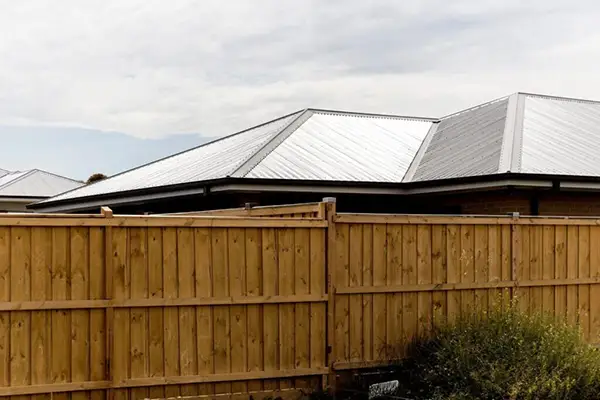
The recent development of commercial construction is a rapidly maturing and disciplined sector that is seeing structure based on repeatable patterns used as the primary method of defence against climate variability and economic pressures. The challenge of a projected building industry peak labour shortage of approximately 300,000 workers has forced a reduction in the use of bespoke designs with industrialised systems being used to deliver new projects.
The extensive introduction of Green Star Buildings V1 1 and solar-ready metal roofing are exampls of the way the patterns of today demonstrate that the nation is being developed for long-term operational resilience rather than immediate aesthetic appeal.
KEY TAKEAWAYS
- Commercial construction projects have simplified the process of construction by using modular design and a clear-span steel frame to limit the complexity.
- Most of the major projects will be required to comply with NABERS and Green Star V1.1.
- Metal roofing has evolved from being simply a roof covering to a ‘structural energy hub’ designed to support solar PV systems without penetrations and withstand extreme weather events.
- The expanded use of off-site prefabrication and modular components has created a substantial marketplace for remote delivery of construction materials and components.
Australia’s climate plays a direct role in how commercial buildings are constructed. High UV exposure, heat, coastal corrosion, and extreme weather conditions influence material choices across the country.
Developers have chosen materials that require the least amount of maintenance when exposed to such conditions. Examples are steel, concrete, and composite systems engineered to allow thermal expansion and contain resistance to fire.
Due to the current market, developers must also contend with constraints on costs. In addition, there are labour shortages and fluctuations in material prices affecting both project feasibility and timelines.
This combination leads to a consistent pattern: durable, standardized materials that reduce lifecycle costs rather than upfront expenses.
Commercial buildings in Australia often follow repeatable structural templates.
For example; warehouses are typically framed with structural steel, and contain large open spans from column to column without any intermediate columns. Additionally, retail centres contain modular layouts, making it easy for developers to redesign these centres to be occupied by different tenants.
Finally, office developments contain flexible floor plates to accommodate changing occupancy requirements. This standardization reduces design complexity and speeds up construction timelines.
Metal roofing is not just a common feature in Australian commercial construction. It is a dominant system-level choice.
Metal roofing has become the preferred solution across industrial and commercial projects due to its performance characteristics.
Due to the fact that metal roofs typically have long service periods, are compliant with building codes, and require less maintenance than other options available on the market, builders favour the use of metal for roofing.
To date, nevertheless, these components are important for industrial scale buildings, like warehouses and distribution factories.
Metal roofing also supports wide spans without requiring excessive structural reinforcement, making it suitable for logistics and manufacturing facilities.
One of the key patterns in modern projects is the integration of solar infrastructure directly into roofing systems.
Metal roofs are ideally suited to support a solar panel system as they are structurally sound and can be engineered with current mounting systems available in today’s marketplace.
In addition to this, many companies within the building industry are looking to increase their energy efficiency and promote sustainability, both key areas for the future of our environment.
Buildings are increasingly designed to generate part of their own energy, reducing operating costs over time.
Australia’s environmental conditions require roofing systems that can handle heat, wind, and corrosion.
Metal roofs are constructed using various coatings and materials that improve the long-term performance of roofing systems, and thereby reduce ongoing repair costs.
This is particularly important in coastal regions and high-temperature zones.
Sustainability is no longer a niche requirement in Australian construction. It is becoming a baseline expectation.
According to building standards such as a Greenstar or NABERS, developers are required to ensure their roofing systems adhere to the requirements outlined in this standard; these benchmarks measure both energy efficiency and environmental performance.
Buildings are designed to reduce energy consumption through insulation, reflective materials, and optimized layouts.
This aspect of roofing plays a major part in both reducing the heat gain from roofing systems and therefore reducing the overall cooling requirements of a building; by having either a reflective roofing surface, or an insulated roofing system.
This is not just a regulatory requirement. It directly affects operating costs, making it a financial consideration.
There is increasing emphasis on materials that can be recycled or reused.
Steel is a completely recyclable material and is often used in many building projects. Many materials used to build are usually constructed in factories and taken to the site of the project for construction.
This aligns with broader ESG (environmental, social, governance) expectations from investors and tenants.
Another clear pattern is the growing use of modular and prefabricated components.
This is especially beneficial in a time when there is a shortage of skilled labor and there are many challenges related to productivity.
Prefabrication reduces construction time and minimizes on-site labor requirements.
Building in this manner makes it easier to build larger projects more efficiently, and it limits the delays that can occur due to poor weather or site/land conditions.
It also improves consistency, as components are produced in controlled environments.
Modular systems are widely used in:
This approach allows projects to scale more efficiently and reduces delays caused by weather or construction conditions.
Australian construction is highly dependent on global supply chains.
Steel, copper, and many special components to complete a project are often imported into Australia, and therefore, commercial construction is sensitive to the fluctuations of currency and the global marketplace.
Material price volatility has become a recurring issue.
Fluctuations in the price of energy, transportation cost, and demand for materials worldwide will also impact the overall budget and schedule of a project.
This has led to more conservative planning and contingency strategies.
To reduce risk, developers are increasingly sourcing materials locally when feasible. This will also improve the reliability of the supply chain and will reduce the exposure of the project to international disruption.
In Australia, commercial construction is directly related to the development of infrastructure. The demand for commercial buildings often comes as a result of the development of major infrastructure projects, such as transportation and logistics networks.
The expansion of logistics networks has increased demand for warehouses and distribution centers.
These buildings follow consistent design patterns focused on efficiency, accessibility, and scalability.
The integration of commercial and residential/retail office buildings often occurs in urban areas. This form of development is called mixed-use and helps maximize the use of available land to accommodate the growth of the population in the areas.
Technology is increasingly embedded in construction workflows. Digital tools are used for design, planning, and project management.
BIM (Building Information Modeling) provides developers the ability to create digital models of buildings in great detail prior to the beginning of the construction process. This process allows for better communication and coordination amongst the various teams associated with construction and limits the errors that could occur during construction.
Construction firms are using data to optimize scheduling, resource allocation, and risk management.
The importance of this will be amplified in large-scale projects as the delays associated with them will have a much more significant impact on the financial aspect of the project.
Despite these patterns, the industry operates under several constraints. Labor shortages remain a major issue, affecting productivity and project timelines.
In all markets, we see these similar trends. Design decision patterns are the same regardless of the region: durable materials have been used; metal roofs are being used; building modularly is popular; and most new construction is focusing heavily on energy efficiency.
These constraints shape how projects are planned and executed.
Australian commercial construction is defined by consistency rather than variation.
This is not just a design trend but rather an answer to: weather; rising prices/financial stressors on a company or individual owner; and building codes.
It is not about individual buildings. It is about systems that can be repeated, scaled, and maintained over time.
