
“Creditors have better memories than debtors.”
— Benjamin Franklin (USA Founding Father)
Many people take a loan for a home or a car without thinking much. Even if you haven’t, you must have a credit card.
In the life of a debtor, most of his/her monthly income goes into paying back their creditors. And missing a single EMI can add late fees to the money owed, damage your credit score. Fail to pay more than once and your loan-bought home or car will be taken away from you.
In this guide, I’ll tell you how you can continue paying off your debts while managing everyday bills and essential expenses. Reading the following sections will make you so confident in your financial management skills that your loan repayments will never lag again.
KEY TAKEAWAYS
- Debt can burden you for life if ignored.
- To pay off your loans successfully, first know exactly how much you owe, then budget accordingly, and finally plan a loan repayment strategy.
- There are basically two types of debt repayment strategies: Debt Snowball and Debt Avalanche.
- If all fails, talk to your lender to arrive at a mutual solution.
Firstly, you should be crystal clear about your loans. Note down all related information on a spreadsheet or a piece of paper:
The task is elaborate but one-time. Also, having this information in one place will make it easier to strategize paying back what you owe.
If you have many loans going on, this activity can overwhelm you. In that case, consider debt consolidation, but only after understanding the pros and cons of debt consolidation. It lets you roll your debts into one fixed monthly payment, often with a lower interest rate. But depending on the number of EMIs, you can also end up paying more interest overall. You’ll have to decide if the convenience of lower monthly payments in the short term is worth the extra cost to your budget over the long term.
It’s common sense not to go on spending sprees if you have loans to pay. But many people can’t control themselves from doing so.
Budgeting is a good activity for them. Get all your bills and the list of expenses for the last month to get an overview of where your money is going. You could even break down your budget into different categories, such as food (groceries and dining out), household bills (utilities and rent or mortgage payments), and other bills or debts (car payments, student loans, and credit card bills). This allows easy identification of the most damaging category of expenses.
There are several different ways to budget:
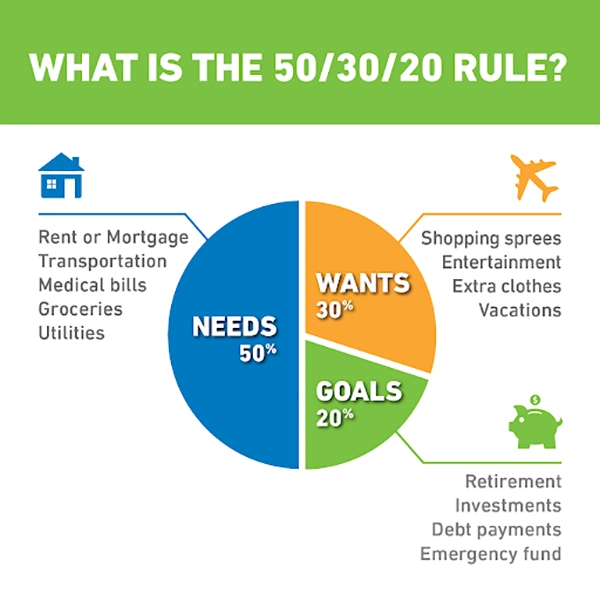
You might need budget reevaluations after some months to reach an ideal financial behaviour level.
Budgeting controlled your daily expenses; now, let’s move on to how we plan to pay off that loan for good: a loan repayment strategy. There are two common types of that:
Each method has its pros and cons. The debt snowball method takes care of multiple loans quickly. On the other hand, the debt avalanche method can reduce your owed amount more quickly and help you pay less interest over the life of your loans. Try each method for some time and choose the one that works for you.
If you’re not confident enough even after budgeting, income reallocation, and strategizing a debt repayment plan, just have a talk with your lender. This can make some lenders even lower your monthly payments, waive late fees, or extend payment due dates, depending on the situation.
For additional support, reach out to financial advisors or counselors. Someone with professional financial experience could help you tweak your budget and advise you on the best way to tackle your loans before they get out of control.
I know paying off loans while dealing with day-to-day expenses isn’t easy, but it’s not impossible either.
Figure out exactly what you owe, create a detailed budget, plan a loan repayment strategy, and, if necessary, include your lender to find a mutual solution. Look for support wherever you can find it; there’s no better feeling than being debt-free.
Start by understanding what you owe, build a budget that actually works for your lifestyle, and choose and stick with a repayment approach. And if things ever feel confusing or overwhelming, it helps to explore simple tools, real experiences, and practical breakdowns from platforms like Techraisal. Sometimes, a small shift in how you manage things can make a bigger difference than expected.
Notice: Information provided in this article is for information purposes only and does not necessarily reflect the views of techzeel.net or its employees. Please be sure to consult your financial advisor about your financial circumstances and options. This site may receive compensation from advertisers for links to third-party websites.
Ans: Create and stick to a budget for daily spending and build an emergency fund for unexpected expenses.
Ans: The rule suggests building an emergency fund with savings for 3/6/9 months based on your financial stability. The most stable can save for 3 months of essential living expenses, while the least stable need to have 9 months of that.
Ans: Character, Capacity, Capital, Collateral, and Conditions.
