

“An ounce of prevention is worth a pound of cure.”
— Benjamin Franklin (USA Founding Father)
Kids are getting phones younger than ever. A report found that 40% of children have a tablet by age 2, and with that comes a direct line to the outside world. What once felt controlled now includes unknown voices, unexpected calls, and situations children aren’t naturally prepared for. Safe phone habits aren’t a one-time lecture; it’s a set of habits built steadily over time, starting earlier than most parents expect.
In this guide, I’ll educate parents and offer practical tips on teaching kids phone safety, handling stranger calls, and building confident, real-world awareness.
KEY TAKEAWAYS
- Kids don’t naturally apply “stranger danger” to phone calls
- Simple, rehearsed rules work better than vague advice
- Confidence to hang up is just as important as knowing when
- The goal is strong instincts, not fear-based caution
Most kids know not to talk to strangers in person, but that instinct rarely carries over to phone calls. A voice feels less threatening than a physical presence, which makes it easier for children to let their guard down without realizing it.
There are a few specific gaps worth knowing about:
These aren’t things kids arrive at intuitively. They need to be taught directly, and ideally before the first unfamiliar call arrives.
Vague advice doesn’t stick, but clear rules do. Kids respond better to simple instructions they can remember under pressure:
The hang-up rule is worth emphasizing on its own. Many kids, especially those raised to be polite, feel uncomfortable ending a call abruptly. They need explicit permission and practice to do it without guilt.
Politeness is a virtue, but not at the cost of personal safety. Role-playing this with a parent once or twice makes a real difference in whether a child actually follows through when it counts.
Phone safety evolves as kids grow, and expectations should shift with their maturity.
| Age Range | What They Can Handle | What Still Needs Parental Oversight |
| 6–8 | Understands “don’t answer unknown numbers” as a firm rule | All calls; No unsupervised phone use |
| 9–11 | Can follow a short list of safety rules reliably | Should still report all unfamiliar calls to a parent |
| 12–14 | Can assess context (voicemail, familiar area code) with guidance | Needs to know about spoofing, scam tactics, and how to verify callers |
| 15–17 | Can handle most situations independently | Benefits from knowing about tools like a scam call checker to identify suspicious numbers before returning a call |
As they transition from 12 to 15, the conversation shifts from rules to judgment. Teenagers benefit less from being told what to do and more from being taught how scams and manipulative calls actually work. That kind of transparency builds better instincts than a list of dos and don’ts.
The goal is awareness, not fear. Kids should feel capable, not overwhelmed.
The goal is a child who feels capable and informed, not one who treats every call like a potential threat. Most unknown calls are simply wrong numbers or automated messages. Proportionate awareness is the aim.
Smart setup does half the job before a call even reaches your child.
For older teens who are more independent with their devices, it’s worth showing them how to use a scam call checker. This reverse lookup tool can identify whether a number has been flagged as suspicious, linked to a known scam, or associated with a legitimate business.
Teaching a teenager to spend thirty seconds looking up an unknown number before returning a call is one of the more practical mobile safety habits for parents to pass along as kids grow into more independence.
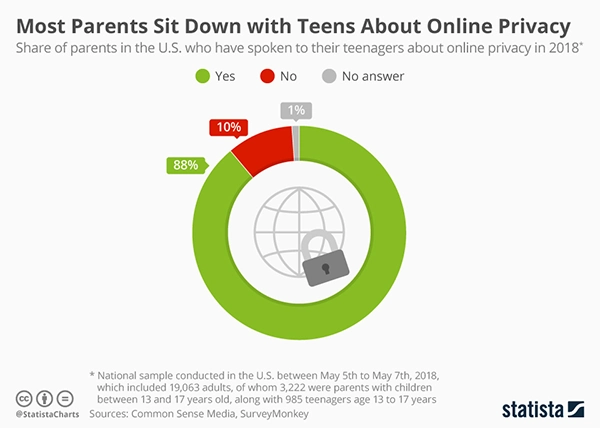
The good news is that parents are handling the teen online privacy situation pretty well:
Your reaction shapes whether they’ll tell you next time.
The reporting step is genuinely important. Many parents skip it because it feels like a lot of effort for an incident that passed without harm. But scam operations targeting children are ongoing, and reports help build the data that gets numbers blocked and patterns flagged.
Rules matter, but instincts matter more. The aim is to help kids recognize when something feels off and trust themselves enough to act on it.
That signal system is built through information, practice, and repeated confirmation that their instincts are worth listening to. Every time a parent takes a strange call report seriously, every time a child successfully handles an unfamiliar caller on their own, and every time a family talks through a new kind of phone trick they’ve heard about, that signal gets a little stronger. That’s the real work of phone safety, and it’s worth doing well.
