

Blockchain platforms have evolved, addressing key limitations found in traditional networks, including scalability, flexibility, and interoperability.
One such modern platform is Polkadot. A platform with its core strength being the unique usage of parachains in its smooth workflow. These independent blockchains run alongside the central Polkadot Relay chain and optimize the transaction throughput for developers.
This article explains what parachains are, their key benefits, how users can test their functions, and outlines basic steps that programmers can take to deploy one.
Key Takeaways
- Polkadot parachains provide shared security, parallel transaction processing, interoperability, and more to assist developers in creating applications
- Parachains assist the scaled throughput of transactions, offering flexibility to programmers on the blockchain
- Kusama is Polkadot’s canary network, providing sandbox-type environments for testers to research and optimize their built applications in a safe, risk-tolerant environment
- To join the platform’s network, one must enter the candle’s auction to bid and secure a parachain for their purposes, allowing them access to it for a fixed amount of time
A Polkadot parachain is a blockchain that connects to the Polkadot network and works in sync with other parachains under the supervision of the parent relay chain.
Parachains assist the scaled throughput of transactions and offer flexibility for developers who build diverse applications for the blockchain.
Key benefits of Polkadot parachains:
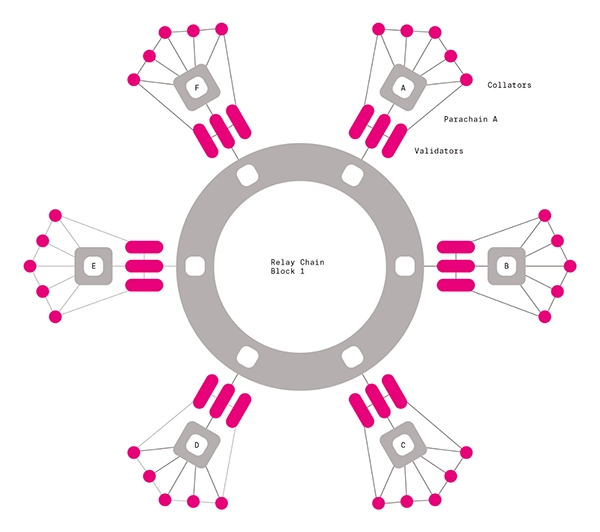
Here are the three essential steps that every developer has to follow in order to deploy and test their applications on the Polkadot platform.
The first step is to develop a parachain and define its functionality. Frameworks like Substrate speed up development with pre-built modules for networking, while Cumulus ensures strong compatibility with the whole ecosystem.
For more complex setups, a Polkadot dApp development company can help streamline architecture and implementation. Parachains are typically built using languages such as Rust, JavaScript, C++, or Go.
Fun Fact
Polkadot is designed to support around 100 parachain slots, making them highly coveted and scarce resources for developers’ projects.
Before going live, the parachain must be tested thoroughly to ensure its stability and security. This testing phase often takes place on the platform’s test networks, such as Westend, Rococo, or Canvas.
Alternatively, dev teams can also utilize Kusama ( Polkadot’s canary network) to test features in a live, sandbox-type, risk-tolerant environment.
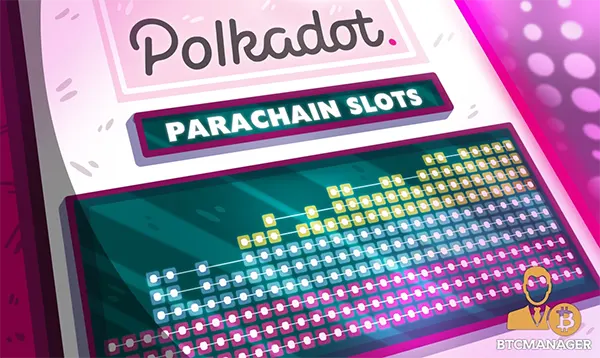
To join the Polkadot network, the parachain must secure one of its limited and vacant slots. These slots are allocated by candle auctions, wherein projects big using DOT ( the platform’s native token currency), locking it for the full duration of the lease.
Winning said slot grants the acquired parachain uninterrupted connectivity to the network’s shared security and infrastructure for a fixed amount of time.
By combining modular development tools, robust testing environments, and a structured slot auction process, Polkadot makes it possible for teams to deploy specialized blockchains tailored to specific use cases: from DeFi and NFTs to gaming and enterprise solutions.
With many upgrades focused on improving efficiency and cross-chain communication, parachains position the platform, Polkadot, as a powerful tool for next-generation decentralized applications.
