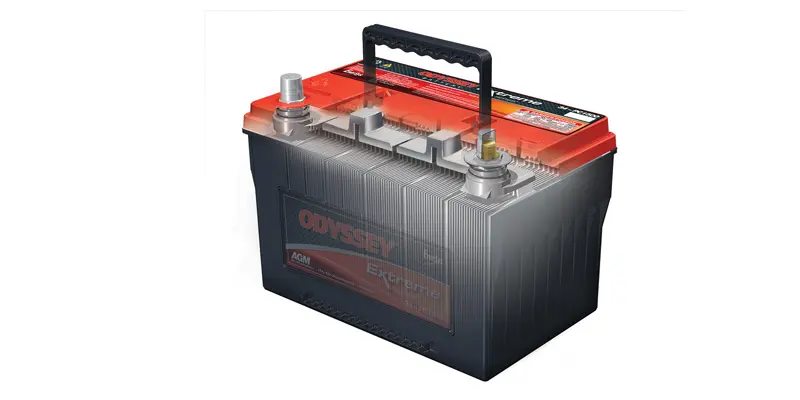
When in the fleet business, the commercial vehicle uptime plays a vital role in managing operations.
To ensure smooth operations, we follow up with discussions and activities related to engines, tyres, and maintenance. However, the quality of batteries often goes unnoticed.
Batteries play a major role in keeping the vehicles on the road, from starting the engine to providing consistent power for delivery and service vans, and even maintaining the auxiliary mechanisms.
The importance and benefits of quality batteries is endless. So, if you want your vehicles on roads rather than in garages, investing in quality batteries is a crucial step. Read further to know more.
Key Takeaways
- Changing uses and the essence of the battery over the years
- Learning the meaning of quality in terms of battery
- The negative effects a weak battery puts you through
- Practical ways to bring fleet uptime into practice
- Downtime that pauses your fleet business
A decade ago, many vans had a relatively simple electrical profile: start the engine, run the lights, maybe a radio.
Today, even “standard” vehicles are packed with systems that draw power when driving, idling, and sometimes even after shutdown.
Fleet vehicles often operate in patterns that are inherently hard on batteries:
Batteries fail when they’re asked to deliver more energy than they can recover. Once chronic undercharging sets in, sulfation accelerates (in lead-acid types), internal resistance rises, and cranking performance drops—often right when cold weather or a busy peak period hits.
Quality isn’t just branding. It shows up in engineering choices that directly influence reliability.
Two specifications matter more than most operators realise:
A battery can have decent CCA and still underperform in fleet use if its reserve capacity is marginal.
Delivery routes are full of “engine-off” moments—scanning, sorting, signing, loading bays—where the battery is supporting systems without alternator help.
Higher reserve capacity gives you a wider safety margin before voltage drops into the danger zone.
Commercial vehicles live rougher lives than personal cars. Kerbs, potholes, loading ramps, uneven yards—those vibrations matter.
Internal plate damage and loosened connections shorten battery life and cause intermittent faults that are painful to diagnose (“It started fine this morning…”).
Higher-quality batteries tend to have sturdier internal construction, better plate anchoring, and improved casing durability. The result isn’t just longer life; it’s fewer mystery failures that steal workshop time.
Battery type should match the vehicle’s electrical architecture and duty cycle:
The key uptime insight: fitting a standard flooded battery into a vehicle that expects EFB/AGM performance is a recipe for early failure and repeated callouts—especially in winter or during high-demand seasons.
Battery issues rarely fail gracefully. They fail at 6:10 a.m. when the first wave of deliveries is due, or halfway through a service schedule.
Consider what a single non-start can trigger:
Even if the battery itself is relatively inexpensive, the operational ripple effect isn’t. In uptime terms, a higher-quality battery is often a form of insurance—reducing the probability of a failure event at the worst possible time.
A great battery can still underdeliver if the rest of the system is working against it.
Modern “smart charging” strategies (common on Euro 6 vehicles) don’t always keep the battery at 100% state of charge.
They may reduce the alternator load for efficiency, then top up later. If your vans do short runs or lots of idle-with-load, the battery may never fully recover.
Higher-quality AGM batteries typically have better charge acceptance, meaning they can absorb charge more quickly during limited charging windows.
That directly supports uptime in stop-start, short-run operations.
Aftermarket additions are often the hidden culprit—dashcams, trackers, inverters, beacons, and refrigeration controls.
Each device may be small, but together they create a steady drain. If vans sit over a weekend, the battery starts Monday already depleted.
If you’re fitting accessories, it’s worth treating the battery as part of the upfit plan: capacity, wiring quality, and (where appropriate) split charging or auxiliary battery setups.
You don’t need an overly complex program; you do need a deliberate one.
Use one quick set of controls to prevent most surprises:
None of this is exotic—it’s basic fleet hygiene. But it’s also where many operations leave uptime on the table.
Quality batteries are the one-stop solution for improving commercial vehicle uptime because they tolerate the realities of fleet work, from frequent starts and heavy auxiliary loads to vibration and inconsistent charging opportunities.
Therefore, if you’re trying to reduce missed starts, avoid last-minute rescues, and keep vehicles earning rather than waiting, start with the simplest truth in fleet operations: reliable power is the foundation on which everything else depends.
Ans: The three basic tests involve specific gravity testing, load testing, and capacitance testing. It helps to determine the quality of batteries.
Ans: The primary factors that affect the life of a battery involve specific gravity testing, load testing, and capacitance testing. It highly impacts a battery’s lifespan.
Ans: The 30-80 rule suggests that the battery in mobile devices and electric vehicles should be above 30% and under 80%.
Ans: Batteries and similar devices accept, store, and release electricity on demand. They utilise the chemical potential to store energy like other energy resources.