
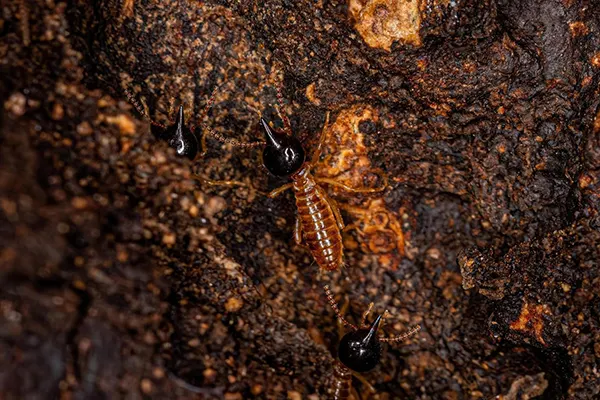
Termites are one of the most ignored and destructive types of pests. They hold significant capability to shut down a running business. And small businesses are the major affected ones. You may think, why? As small businesses are usually on the edge of investments. When they have to deal with heavy losses because of termite attacks – they often disappear.
Good news – with the help of effective termite control and detecting it early will save you from unnecessary stress and huge loss. In fact, it is found out that the U.S. deals with around $5 billion of property damage every year due to termite attacks – especially the commercial properties.
Ready for early preparation to avoid termite attacks? Read this article that shares how modern pest control software for small business is serving as an effective practice to tackle termite threats.
Commercial buildings create perfect conditions for termite colonies. Unlike homes where owners notice changes quickly, business properties often have basements, storage rooms, and utility spaces that go unexamined for months. A retail shop might have employees coming through the front door daily while termites work through support beams in the stockroom.
Subterranean termites cause most structural damage by building mud tubes up from soil contact points. These quarter-inch tunnels bring moisture and protection as colonies grow into wooden structures. Formosan termites, a specifically hazardous subterranean species, can destroy solid logs in less than six months when provided with required conditions.
Small businesses face a different challenge here. Space and complexity work against early detection. A 3,000 square foot office building contains dozens of open entry points and hidden gaps where colonies develop themselves years before anyone notice them.
Repair estimates tell only part of the story. A restaurant owner facing a $4,500 repair bill confronts multiple hidden costs that multiply quickly.
Treatment and repairs don’t happen during business hours. Some fumigation methods require complete building evacuation for days. That’s revenue lost and customers redirected to competitors.
One customer mentioning termites on social media reaches hundreds of potential clients who now question your facility’s maintenance standards.
Most commercial policies exclude termite damage. The entire financial burden falls on the business owner, often at the worst possible moment.
Buildings with documented termite history lose roughly 20% of their market value. For small businesses planning eventual sale or refinancing, that’s equity gone.
During a routine HVAC inspection, a Chicago accounting firm found subterranean termites. The floor joists in their file storage room had been compromised by the infestation. $23,000 was spent on treatment, structural repairs, document recovery, and temporary relocation. The firm ran at quarter capacity for six weeks while contractors worked.
Termites work in darkness, but they leave traces. Property managers who catch these signs early cut repair costs significantly.
Mud tubes running up foundation walls signal trouble. Check where concrete meets wood framing, especially near water sources or HVAC units. These pencil thick tunnels mean active subterranean colonies.
Discarded wings near windowsills or doors tell another story. Swarming termites shed wings after finding mates. Large numbers of translucent wings indicate a mature colony nearby.
Hollow sounding wood when lightly struck exposes hidden damage. Termites eat wood from the inside out, making thin shells. Support posts, doorframes, and window casings become echo chambers.
Buckling floors or sagging ceilings show advanced problems. Termites that reach this stage have compromised structural integrity enough to create visible deformation. This signals years of unchecked damage.
Fine sawdust like material along the baseboards indicates drywood termite activity. These droppings are like coffee grounds or sawdust. Finding these near wooden structures means active feeding.
Many business owners assume new construction offers protection. Termites need only 1/32 of an inch, about the thickness of a credit card, to enter structures through foundation cracks.
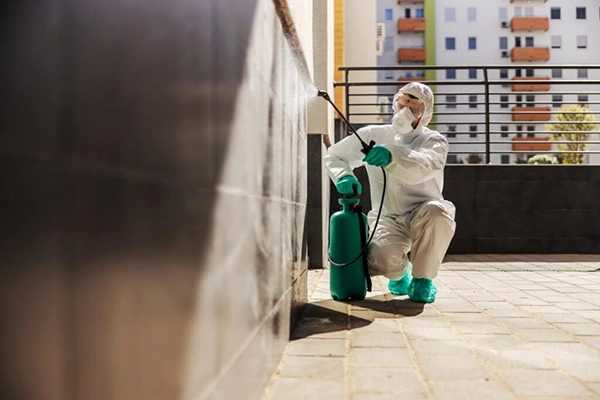
Prevention costs a fraction of remediation. Small businesses can implement practical barriers without significant capital investment.
Schedule professional inspections annually. Pest control technicians spot early activity that property managers miss. Commercial buildings in high risk regions need quarterly checks.
Remove wood to soil contact wherever necessary. Landscaping timber, mulch beds, and wooden boxes stored against exterior walls give direct entry for termites. Maintain at least 18 inches of distance.
Handle moisture problems the moment you find them. Leaking pipes, condensation buildup, poor drainage create the moist conditions subterranean termites need.
Seal foundation holes and gaps before termites find them. Expanding joints, utility penetrations, and settling cracks all act as entry points.
A Colorado restaurant group started monthly inspections across their six locations after one property required $8,700 in termite repairs. The inspection program costs $1,200 annually. Two years in, they’ve fixed three minor bugs before structural damage occurred. The prevention program paid for itself three times over.
Despite best efforts, infestations happen. Response speed determines final cost.
Don’t avoid a professional assessment. Whole colonies are not often eliminated by do-it-yourself treatments. Insufficient treatment leads termites to untreated sections, causing the problem.
Record everything from the start. Photograph damage, save treatment records, and maintain audit reports. This protects you if problems show up with contractors or future buyers.
Consider your treatment options before choosing. Liquid barrier treatments create chemical zones termites can’t cross. Baiting systems work slower but eliminate colonies at the source. Fumigation handles severe drywood infestations but requires building evacuation.
Plan for business continuity ahead of time. If treatment requires closing, line up temporary workspace and communicate proactively with customers.
The owner of a Virginia bookshop caught swarmers near her poetry section in early March. She called a pest control company that same afternoon. Inspection revealed a young colony in floor joists under the retail space. Treatment and repairs cost $2,100, completed over one weekend. By acting within 24 hours, she avoided the $15,000 plus disaster that would have unfolded over another season of uncontrolled growth.
Effective termite control and early detection of termites are the two major ways to safeguard your commercial property or small business. This will save you from huge investments later on. While it may ask for small investments for detection, which is much less than the loss.
An annual inspection costs less than a month of business insurance. Foundation sealing and moisture control typically run under $1,000. These investments protect the literal foundation of your business, the building itself.
Also, prefer taking help from reputed professionals – as they have higher skills for the early detection. Otherwise, it may cost you double, once for the inspection and a second time after the attack.
Your building shelters your business. Protect it with the same attention you give to your financial statements and customer relationships. Because when termites compromise your structure, they compromise everything you’ve worked to create.
Ans: Yes, you can, but proper and early detection of termites can be done by professionals only.
Ans: No – it is much cheaper than the amount you will invest after the heavy loss in your small business or in the commercial building.
Ans: At least every six months, one should go for a termite threat detection. In places with high risks, every three months will be more suitable.
