

“Plans are useless, but planning is everything.”
— Dwight D. Eisenhower (Former Prez, USA)
A football team can win a match overnight with the right tweak. But winning a season? That takes something deeper. The same tension exists in business. Quick fixes grab attention, strategic vision builds a legacy. The real game lies in knowing when to use which.
In this article, I’ll explain how football reveals the balance between temporary change and long-range strategy, and what businesses can learn about leadership, performance, and sustainable success.
TABLE OF CONTENTS
- Manchester United and the Effect of Immediate Change
- Why Organisations React Quickly to Leadership Change
- The Limits of Short-Term Improvement
- Long-Term Strategy and Organisational Stability
- Balancing Immediate Action with Strategic Planning
- Sponsorships and Economic Opportunities in Times of Change
- How Football Explains Business Planning Decisions
- FAQs
When Manchester United handed interim control to Michael Carrick, the impact was immediate. The strong result shifted how the team was viewed. Early outcomes often quickly change perceptions, as observers react to visible performance during uncertain periods.
That shift followed Sheringham’s view that a calm approach and clear expectations can stabilise a team during transition. His comments align with the idea that short-term results can reshape sentiment. Strong performances can reduce uncertainty, while weaker displays can heighten doubt about direction and consistency.
Temporary changes can steady perception for a brief period, though long-term outcomes remain linked to sustained results. Teams require consistent structure and planning, since early success alone wanes over time.
A new leader signals movement. In football, that could mean tactical reshuffles or lineup changes. In business, leadership changes influence operations, priorities, and internal processes.
These shifts attract attention because they suggest potential improvement. Market participants interpret these signals as indicators of future performance. While early reactions appear strong, they often reflect expectations rather than confirmed outcomes.
Short-term adjustments can improve performance, since teams and organisations respond to new instructions. However, lasting change requires consistent execution over time, since structural issues demand ongoing attention.
There’s even a term for it in football: the “new manager bounce.” Teams often perform better right after a leadership change. This happens as focus increases and systems simplify.
However, this effect often appears temporary, since deeper challenges require time to address.
Research shows that managerial changes influence sentiment quickly, though long-term impact varies across organisations. Larger clubs often face higher expectations, which makes sustained improvement harder to achieve. Temporary gains may reverse if consistency fails to develop.
Business environments show similar patterns, since quick decisions can stabilise operations while underlying challenges remain. Strategic planning requires alignment between immediate actions and long-range goals.
If short-term change is a spark, a long-range plan is the engine. Under Jürgen Klopp, Liverpool FC didn’t just improve; they evolved.
Managers play a key role in shaping this structure, though success depends on alignment across the organisation. Manchester City under Pep Guardiola maintained a clear direction. Under him, player development and system consistency supported ongoing results. These examples show how planning guides decisions over time.
In business, long-range strategy involves resource allocation, process development, and performance tracking. Leadership changes can influence these areas, though lasting success requires continuity and clear objectives, as seen in organisations that maintain stable leadership frameworks.
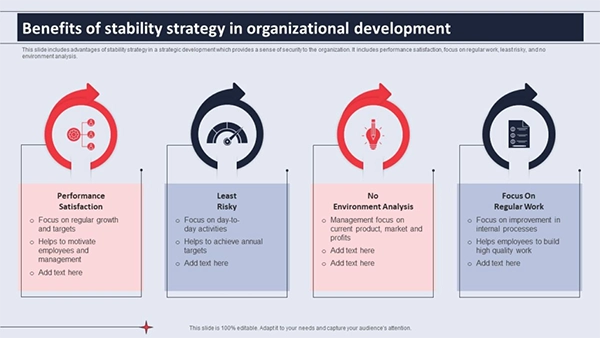
Optimizing your strategic vision for stability can bestow your organization with numerous benefits:
Here’s the tricky part: you can’t pick one and ignore the other.
Temporary action keeps things afloat, while strategy ensures sustained development. This balance requires careful coordination across leadership and operations.
Football highlights this interaction clearly, since results affect perception while planning shapes future performance. A new manager can improve short-term results, though long-term success depends on structural alignment.
Business planning follows similar principles, since organisations respond to immediate challenges while maintaining strategic direction. Leadership decisions connect these elements, shaping both performance and perception over time.
Leadership changes also impact money in addition to affecting performance.
Sponsors track perception closely. They seek stable associations, so consistent results support lifelong commercial agreements. When leadership changes occur, companies reassess visibility and alignment with club direction.
Strong performances after a change can attract renewed commercial interest, as positive attention increases exposure across media channels. Higher visibility supports new partnerships, while existing sponsors may expand agreements to maintain association with improved results. However, uncertain performance can delay negotiations, since companies prefer predictable outcomes.
Economic opportunities also depend on international reach and fan engagement, which connect closely to on-field success. Clubs that maintain consistent performance under stable leadership often secure stronger commercial deals over time. Leadership decisions, therefore, influence both immediate commercial activity and longer-term economic positioning.
Football makes one thing clear: quick wins grab headlines, but structure builds dominance.
Temporary changes are powerful, though consistent performance defines lasting outcomes.
Organisations that align short-term actions with long-range planning achieve stronger results over time. Football demonstrates that quick improvements require support from a structured strategy, since both elements shape performance across different timeframes.
