
The world of robot vacuums is evolving, with a promising new feature: self-emptying technology. These advanced models promise a simpler housekeeping routine.
It begs the question: are they really worth the extra cost? Well, the answer to this question is not that simple, as these utilities have so many types and distinctive functionalities.
That’s why this article covers their real-world benefits that can assist potential buyers in making informed decisions, especially for those who have busy schedules or suffer from allergies.
Let’s begin!
Key Takeaways
- Uncovering how the self-emptying robot vacuum works
- Looking at their real-life benefits
- Exploring who will enjoy the best perks of these utilities
- Understanding how they are energy efficient
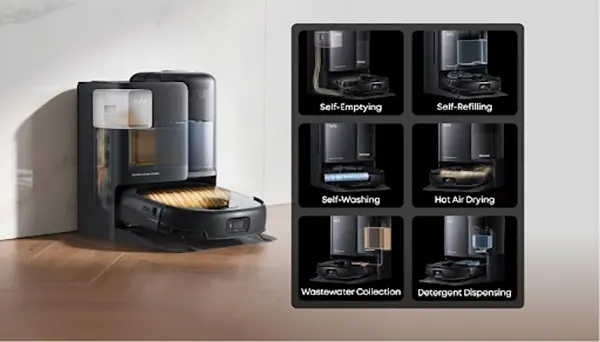
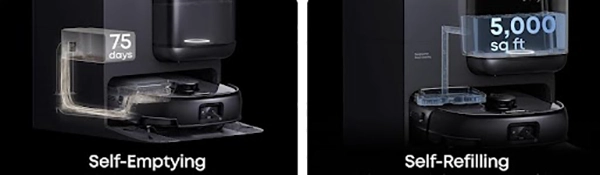
Self-emptying robot vacuums go above and beyond vacuuming to up the cleaning game. After collecting dirt, these models automatically deposit it in a larger bin or base station. This mechanism begins with the vacuum docking at its base following cleaning. A powerful suction then transports debris from the vacuum’s dustbin into the base station.
Typically, these base stations hold several times more debris than standard vacuum bins, meaning users empty them far less frequently. This technology decreases user interaction with the vacuum and enhances efficiency, offering a particularly valuable streamlined cleaning process for large households or those packed with activity.
Interesting Facts
Modern premium models (USD 500+) include self-washing and self-drying mop pads, in addition to emptying the dustbin, as seen in models like the Roborock S8 Pro Ultra.
As we all know, technologies are constantly growing, and there are differences in each model of automated vacuum, so calculating their benefits is a bit tricky. That’s why there are some details listed below.
Busy individuals can benefit greatly from the hands-off operation of self-emptying robot vacuums. Once scheduled, these vacuums operate independently, cleaning floors and emptying their dustbins without human intervention. This independence reduces the frequency of manual emptying, freeing up time for more pressing tasks or leisure activities. The consistent performance means floors stay cleaner without daily attention from household members. Time savings accumulate over weeks and months, offering more free time and ensuring a clean home environment with minimal effort.
Allergy sufferers and pet owners often struggle with dust and dander. Self-emptying models offer substantial relief by frequently removing collected allergens from living spaces automatically. These vacuums trap more particles with HEPA filters and remove them to a sealed station where allergens are less likely to escape back into the air.
This frequent disposal results in cleaner, healthier air and reduces the need for allergy medications or frequent sweeping. Pet fur is swept up on a regular basis, reducing its presence on surfaces and lowering allergen levels that cause allergic reactions.
Maintaining a regular robot vacuum can be tiring due to constant monitoring and cleaning. With self-emptying models, users face fewer interruptions. The larger-capacity base station reduces how often users empty bins—sometimes prolonging intervals to weeks or more.
This leads to fewer reminders and a simpler home maintenance routine. The design allows for longer vacuuming sessions with minimal maintenance. The technology appeals to those who want an uninterrupted cleaning cycle or want to delegate housekeeping tasks without the need for constant maintenance.
Now, in this segment, we are going to understand their unique capabilities for different types of households and people with varied schedules. Let’s take a closer look at them:
Large homes present a unique challenge, requiring regular cleaning and upkeep. Self-emptying robots manage extensive spaces effectively due to their enhanced technology and larger debris capacity.
These models benefit families and individuals with busy schedules because they automate cleaning processes, reducing time and energy demands.
The vacuums maintain cleanliness autonomously, ensuring floors remain spotless without daily user intervention. Busy professionals, especially, find this hands-off cleaning essential, focusing instead on work and leisure rather than chores.
Homes with pets or allergy-sensitive individuals gain significant advantages from self-emptying models. Regular vacuuming keeps dander and fur under control, preventing buildup that causes allergic reactions.
Advanced filtration systems efficiently capture allergens, reducing allergy symptoms. Self-emptying technology enhances this by ensuring that allergens are quickly removed from the immediate environment. This results in cleaner air, less reliance on cleaning every day, and better overall health for residents who are constantly exposed to allergens.
For elderly individuals or those with mobility challenges, self-emptying robot vacuums are transformative. These models reduce the physical task of vacuuming, lessening strenuous cleaning efforts. Minimal interaction is required, making them ideal for individuals who may struggle with traditional vacuuming.
The vacuums operate with simple settings and handle all steps from cleaning to emptying. This independence promotes a cleaner home and more comfortable living without taxing physical abilities, providing peace of mind and allowing more time for leisure or recovery activities.
Self-emptying robot vacuums provide significant value by merging technology with convenience. These models make cleaning routines easier for a wide range of users, from those with crowded households to allergy sufferers.
Their independence in collecting and disposing of debris improves overall home hygiene without requiring constant user oversight. Whether handling substantial spaces, controlling pet dander, or freeing up time, the advantages are clear.
As these vacuums advance, they signal a shift towards more efficient, hands-off home maintenance solutions—highlighting how technology continues to shape household care towards simplicity and ease.
Ans: Yes, buying a self-cleaning robotic vacuum is worth the investment if you are looking for a hassle-free cleaning and maintenance solution.
Ans: It needs to be cleared every 2-3 days.
Ans: They are highly effective in performing day-to-day cleaning tasks.
