
“Cybercrime is the greatest threat to every company in the world.”
— Ginni Rometty (Former CEO, IBM)
Social media has connected all of us over the internet, but it has also given a huge platform to fraudsters.
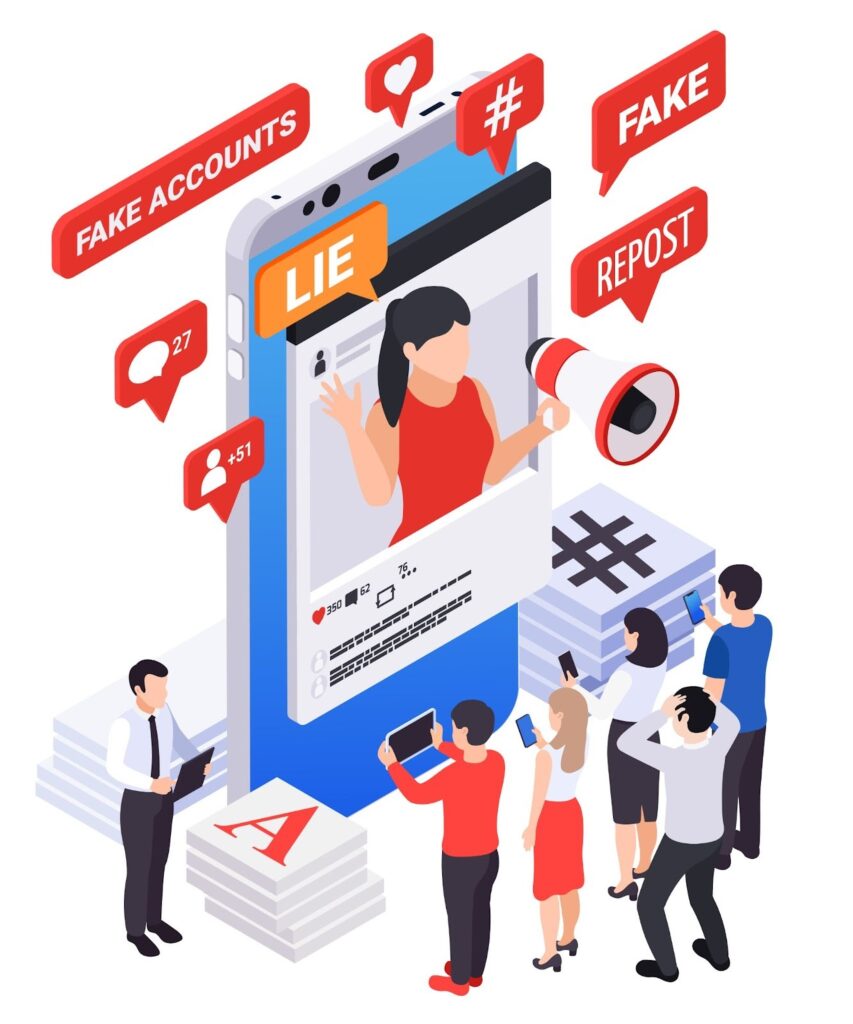
Social scams are becoming prevalent, damaging the reputation of big businesses. In these, scammers mirror your identity and do mischievous things that demean your name among the customers.
This is different and more damaging than some small-time traders using a similar name to yours and making some business or trolls using a variation of your brand for fun.
In this article, I’ll expand upon the social scams that are going on and can easily damage your brand image among consumers. The following sections also discuss the countermeasures that you can take to save yourself from these attacks.
KEY TAKEAWAYS
- Social scams are prevalent where fraudsters impersonate your brand.
- The fake accounts indulge in mischievous activities, destroying your brand reputation in the process.
- Try keeping your brand image clear and consistent with verification badges on social handles.
- Train your employees and keep your customers aware around brand identity.
Keep your business brand identity crystal clear. This sounds simple, but it has deep impact. When your website, social media profiles, emails, and public messaging all feel aligned, people develop a kind of instinctive recognition. They don’t have to think too hard. And that matters, because scams often rely on hesitation. If someone pauses and wonders, “Is this really them?”, that moment of uncertainty is where problems begin. Clarity removes that gap.
If your brand logo, voice, and basic visual identity don’t change drastically over the years, it leaves a strong impression on the consumer’s mind. People begin to associate certain patterns with your business without even realising it. That makes impersonation harder. A fake account might copy one element, but it rarely captures the full sense of consistency. Over time, this becomes a kind of protective rhythm.
Verification badges are those tickmarks you see beside the username of famous individuals or brands. It confirms that the platform has validated the identity of the user as legitimate.
When someone is scrolling super fast (which is basically everyone), your brain isn’t doing deep investigations, it’s just making quick decisions like “does this look legit or kinda sus?” So when people see that little badge, it instantly tells their brain that, “okay, this is probably the real account, I can relax a bit.”
It doesn’t mean people should blindly trust everything just because of a tick, but in practice, it really lowers that moment of doubt. And that moment of doubt is actually where a lot of confusion starts online. Without it, people might pause and think, “Wait, is this actually them or someone pretending?” With it, they’re way more likely to just move on normally instead of second-guessing everything.
You don’t have to look 24/7 for mentions of your brand name on the internet. In fact, doing so can become distracting, but occasional awareness is important. Searching your business name, setting up alerts, or simply checking in from time to time helps you notice unusual patterns early.
People don’t have time to verify that the profile is your legit business or some impersonator. Many scams succeed because of this.
A sense of urgency can bypass careful thinking, which is why it is helpful to gently encourage customers to pause and verify. Simple messages like “we will never ask for sensitive details via social media” or “please contact us through our official website if unsure” can make a meaningful difference.
Fraudsters usually use the most relevant scam pattern that is working at the moment. This is where someone is basically trying to be a bit sneaky by acting normal, urgent, or “official” to trick people into doing something they normally wouldn’t. These fake attempts often don’t look obviously wrong. Instead, they rely on small tactics like slightly changed usernames, messages that push urgency like “do this now,” or requests that feel just a bit out of character for how your business normally behaves. That’s the whole point; it’s meant to slip past quick attention.
But a well-trained team gets to a point where they can usually spot it pretty quickly, almost instinctively, because they’ve seen the patterns before and they know what “normal” looks like for the business. So instead of second-guessing for ages, they can recognise when something feels off right away and respond to it with a lot more confidence. That’s why it’s definitely something worth putting real emphasis on.
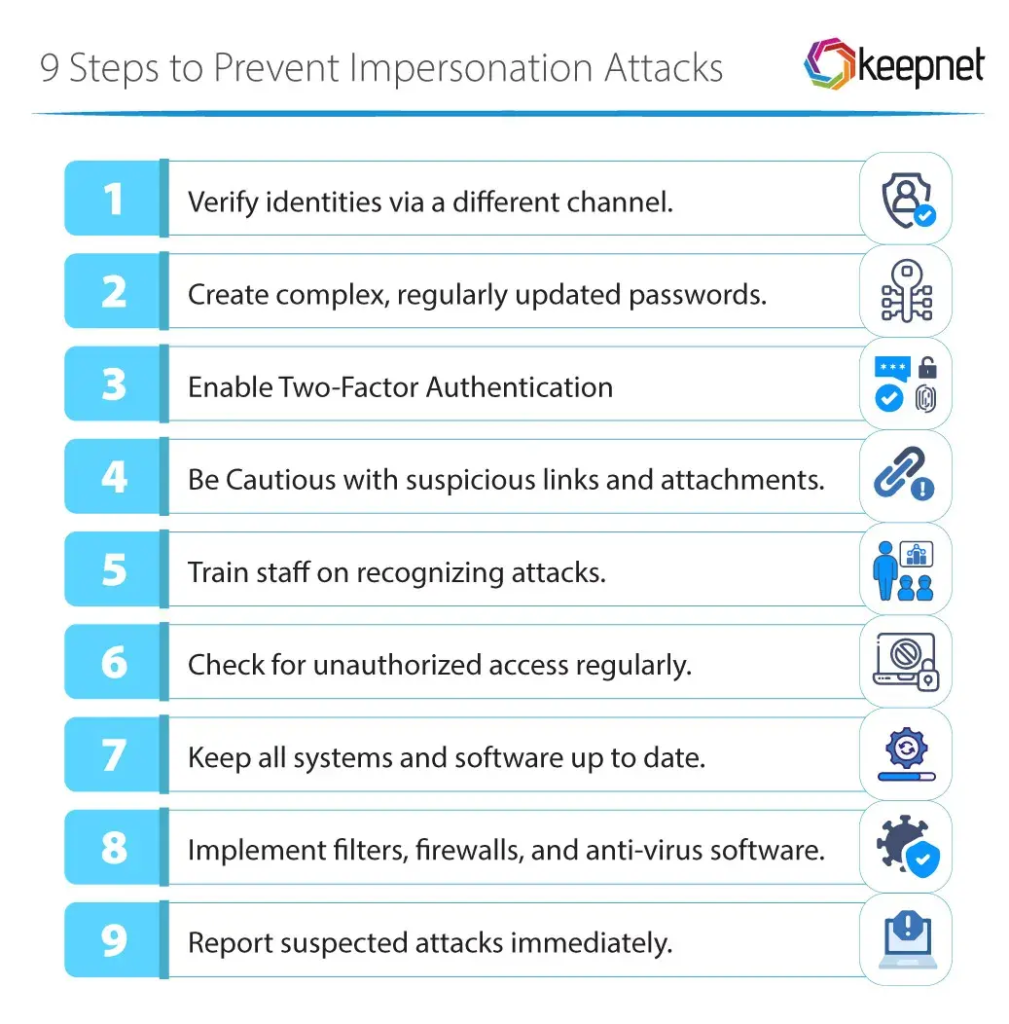
The following infographic lists all the steps to protecting your brand image:
Making reporting frictionless can greatly help you in saving your name from these impersonation attacks. If people do not know what steps to take, valuable time is lost. But when reporting is simple and familiar, action becomes almost automatic. Things that matter in the process are:
The goal is readiness. When something unusual appears, your team should not need to think about the process; they should already know it.
People usually interact more with your social handles now, but the business website still has a place as the original reference point of identity. Social media may change, platforms may evolve, but the website remains the clearest expression of identity. Keeping it updated with correct contact details, official links, and clear messaging helps reduce confusion across all channels. When people are uncertain about something they see elsewhere, they need a place to return to.
Protecting your reputation from these impersonation attacks is not a one-off activity. It has to be ingrained in the marketing as a hygiene task.
Every now and then, check your profiles just to make sure everything still looks right, or you update your branding when something changes so it doesn’t slowly drift into confusion, or you bring new team members up to speed so they know how things are supposed to look and sound, and you just keep tweaking little processes here and there so things stay clean and consistent.
On their own, none of these things feels like a big move; it’s not like one day you do something huge, and suddenly everything is safe forever. It’s more subtle than that. But when you stack all those little actions together over time, it kind of builds this steady foundation underneath everything. And what’s interesting is that you don’t really notice it happening day to day. It’s not overtly obvious. It just makes things more stable in the background, so problems are less likely to spiral and confusion has less room to grow.
The world is becoming noisier day by day. Look around or on the internet, something new popping up every moment. But businesses don’t run like that. They need a steady anchor.
The best approach is just keeping things steady, consistent, and really clear about who you are and how you operate. Social scams usually rely on things feeling uncertain or rushed, where people aren’t totally sure what’s real and what isn’t. But that whole strategy falls apart when a business is calm, predictable, and easy to recognise. When your identity is obvious and your communication doesn’t change in weird or confusing ways, there’s just less space for that kind of trickery to take hold.
And over time, if you stick with clarity, simple processes, and those steady habits, it builds this quiet kind of resilience in the background. Nothing dramatic, nothing stressful, just a sort of stability that holds everything together without you really needing to think about it all the time. And weirdly enough, that calm consistency is often what people end up trusting the most in the long run.
How can you protect your business from scams?
Invest in technical security, strict financial procedures, and regular staff training.
What are three tips for protecting reputations?
Only engage in positive communication online, regularly audit your digital footprint, and keep a plan handy in case any marketing crisis happens.
How to protect your business from fake reviews?
Encourage customers to leave genuine feedback. Proactively monitor for fake negative reviews and report to platforms instantly on finding one.
