

Are you wondering how to generate sales leads in the logistics Industry and what are the challenges you can encounter with this phenomenon? The answer is here.
According to Book Your Data, 50% of marketers consider lead generation a top priority in their marketing campaigns.
Therefore, this article aims to discover how to generate sales leads, common misconceptions about logistics leads, uncover data and targeting challenges in the industry, and more!
Key Takeaways
- Common misconceptions about logistics lead
- Defining a realistic ICP in Logistics
- Data and Targeting Challenges in the sector
- Channels that produce qualified logistics leads
Because logistics looks broad from the outside, many teams enter the market with assumptions that hurt their pipeline.
These myths cause a drain of time and budget that could be spent on prospects with a real chance of converting.
Several misconceptions show up again and again in logistics outreach:
A carrier optimized for regional LTL freight has a very different sweet spot than a global forwarder focused on ocean and air freight.
Activity looks impressive in reports, but meetings stall when prospects realize the provider cannot support their lanes or service levels.
Logistics buyers expect operational specificity: which lanes, which transit times, which accessorials, which exceptions can be handled.
This makes the prospects feel unimportant and that they are just another name on a list, not a company with a concrete logistics setup.
When teams move away from these assumptions, lead generation shifts from chasing replies to building conversations that can actually reach tender and contract stages.
That kind of progress depends on tighter fit criteria, clearer buying triggers, and a realistic view of how long deals really take. In this context, SalesAR logistics sales leads are built around timing and qualification rather than shallow lead lists.
A realistic ICP plays multiple roles in the value chain: shipper, carrier, broker, 3PL, freight forwarder, or tech provider.
From there, teams segment by mode (road, ocean, air, rail), regions served, and typical shipment profile: parcel, pallet, FTL, project cargo, or temperature-controlled goods. This step alone eliminates large chunks of poor-fit accounts.
Then comes the buying committee. This means logistics managers, operations directors, supply chain leaders, etc.
Each stakeholder cares about different metrics:
Messaging must reflect those priorities rather than relying on a single broad angle.
Clear buying triggers help too: new warehouses or DCs, expansion into new markets, recurring service failures, contract renewals, or changes in strategy such as nearshoring.
Leads that fit these triggers behave very differently from contacts who are just “curious” about a new provider.
Firmographic data is frequently incomplete or outdated, especially for carriers, local brokers, and smaller providers, which poses a challenge for the sector.
Company size and industry codes rarely show whether a prospect actually fits a specific network or service structure. This gap turns prospecting into trial and error when it could be far more focused.
Finding the true decision maker can be tricky. Many public profiles sit in dispatch, customer service, or generic inboxes that cannot drive a tender.
Reaching the wrong contacts leads to stalled conversations, long back-and-forth, and low meeting quality.
To address this, teams rely on niche sources: trade associations, industry directories, port and carrier listings, freight-matching platforms, and event attendee lists.
This data needs constant maintenance due to mergers, acquisitions, and route changes. Without that upkeep, outreach quickly drifts away from an ideal fit and starts to feel random, even when the volume looks high.
Channels only work when they carry the right message to the right people. In logistics, several options consistently support lead generation when used with enough operational detail and a bit of patience.
The channels that tend to deliver better-qualified logistics leads include:
Used together, these channels support a mix of proactive outreach and inbound interest, all tied to real logistics problems rather than high-level promises.
The infographic hereby depicts the five steps required to generate sales leads :
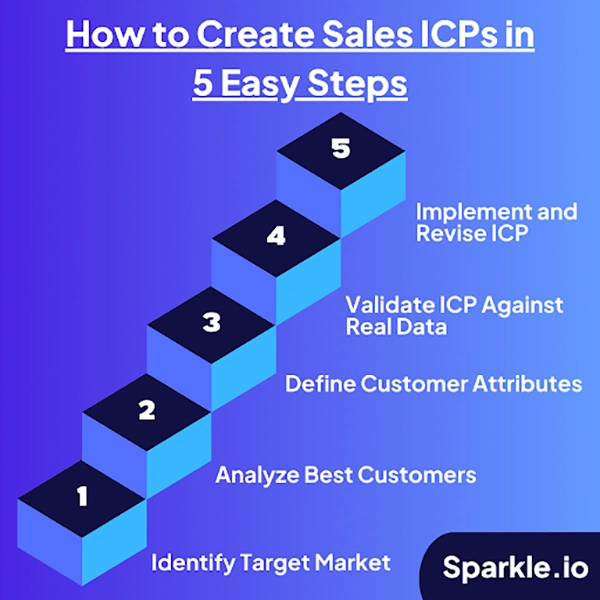
Lead generation in logistics rewards precision, patience, and operational credibility. Broad targeting and high-volume outreach typically result in busy dashboards and thin pipelines.
Logistics will always have long cycles and conservative buyers, but a structured, focused approach turns those constraints into a stable source of growth instead of a constant struggle for attention.
Ans: Ignoring the needs of your target audience
Ans: The 5-minute rule for leads refers to the idea that contacting a new lead within five minutes of inquiry significantly increases the likelihood of engagement and conversion.
Ans: Lead is a naturally occurring chemical element denoted with the symbol Pb derived from its Latin name plumbum.
Ans: Key waste-elimination strategies involve accurate demand forecasting, optimizing procurement, managing purchase batches, and addressing logistical constraints.
