In today’s fast-paced world, the direct-to-consumer (D2C) model has transformed how food brands engage with customers.
Rather than being dependent on third-party aggregators or traditional retailers, brands can now connect simply with their clients, offering a personalized and seamless shopping experience.
As consumer preferences shift toward convenience, speed, and healthier options, the D2C approach becomes even more crucial for modern food businesses.
Shopify and WooCommerce are two of the coolest platforms for kicking off your D2C food delivery business.
They both give you the freedom to grow and easily connect with everything you need, from taking orders online to getting food delivered right to your customers’ door. That’s not it; in this blog post, we are going to explore more layers of this segment and provide valuable insights to the readers.
Let’s begin!
Key Takeaways
Understanding the concept of the D2C food delivery model
Decoding the integration advantages of Shopify
Discovering why WooCommerce is also a great fusion
Uncovering the benefits of logistics additions
Looking at some challenges and best practices
Why Go Direct-To-Consumer For Food Delivery
One of the key advantages of the D2C food delivery model is complete control over brand identity, pricing, and customer experience. In contrast to food delivery platforms that take a big cut and restrict your branding, going D2C lets you take charge of the whole customer experience, from the moment they browse to when their order arrives at their door.
Additionally, brands can collect valuable first-party data, a crucial asset in today’s competitive digital landscape. Insights into customer preferences, order patterns, and purchase behavior help businesses personalize offerings and drive repeat orders.
The D2C model also enables faster innovation. Want to launch a seasonal menu or test a new meal kit? You can do so instantly without relying on intermediaries. With a dedicated website, delivery management tools, and a robust backend, food brands can adapt quickly based on real-time feedback.
Why Choose Shopify For Your Food Delivery Brand
Shopify is ideal for food brands entering the D2C space due to its ease of setup and built-in scalability. There is no major need for technical knowledge to create a store, and as your operations grow, Shopify scales with you, supporting everything from high order volumes to multiple fulfillment locations.
Another advantage is its app ecosystem. Shopify’s marketplace includes tools for local delivery, inventory syncing, customer communication, and more. This flexibility lets you craft a tailored experience that mirrors the sophistication of a dedicated food delivery app.
This immersive platform also contains powerful built-in features for driving revenue, like subscription management, product upselling, and abandoned cart recovery. Whether you’re offering meal kits, ready-to-eat options, or specialty food items, Shopify ensures your platform is both customer-friendly and revenue-optimized. To further streamline these customizations with tailored eCommerce expertise, it’s often best to hire a Shopify developer from a platform like Webandcrafts (WAC) who can build advanced features and optimize performance.
Interesting Facts Over 875 million people transacted with Shopify ecommerce merchants in 2024, representing 1 in 6 internet users worldwide.
Why Consider Woocommerce For Your Food Delivery Brand
As we have seen that Shopify provides a stable, hosted solution, and WooCommerce provides greater flexibility and control for food brands that prefer open-source customization. Built on WordPress, it’s ideal for businesses wanting to manage every aspect of their online operations, from hosting and design to checkout flow and delivery automation.
WooCommerce supports a wide range of plugins for local delivery scheduling, real-time order tracking, and payment gateways. Extensions like WooCommerce Delivery Slots or Orderable help brands set delivery time windows, manage capacity, and maintain operational efficiency.
By leveraging experienced eCommerce developers, food brands can build tailored WooCommerce stores optimized for performance, scalability, and seamless customer experience.
Setting Up Your Food Delivery Store On Shopify
First, start by choosing the right Shopify plan based on your budget and business size. Basic Shopify plans work well for startups, while higher-tier plans support custom checkout flows and advanced reporting needed by growing food brands.
Next, pick a theme optimized for food delivery. Look for features like mobile responsiveness, high-quality product image support, and easy navigation. Themes like “Fresh” or “Foodie” offer layouts suitable for meal-based businesses.
Then install essential apps: local delivery schedulers, live inventory tracking, and tools like Zapiet for pickup and delivery logistics. These apps help simulate the experience of a full-fledged food delivery app, without requiring app development from scratch.
Building Core Features For D2C Food Delivery
For achieving a unique appeal, your product pages should allow customization options, like selecting ingredients, portion sizes, or add-ons. Detailed descriptions and nutritional info can help build trust and influence buying decisions.
The checkout flow should be intuitive, offering delivery slot selection, contactless instructions, and real-time validation of delivery addresses. Transparency is key for customer satisfaction in the food delivery space.
Enable local delivery management features to limit delivery zones by ZIP codes or radius. Real-time delivery updates and estimated times can enhance trust and reduce customer queries.
Consider adding subscriptions or memberships for recurring deliveries. Weekly meal kits or monthly snack boxes not only drive loyalty but also ensure predictable revenue.
Intriguing Insights
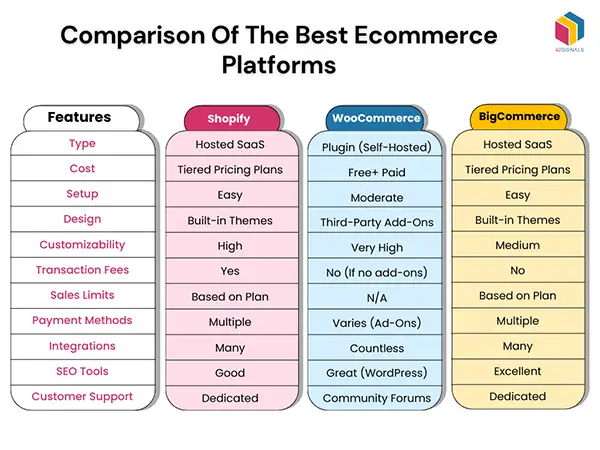
This infographic shows a dynamic comparison between the best e-commerce platforms
Integrating Logistics And Fulfillment
Shopify really simplifies all the local delivery options directly within the admin panel. You can define delivery zones, add time windows, and control cutoff times.
If you’re building your store on WooCommerce, similar delivery functionality can be achieved through dedicated plugins and custom integrations. To set up these advanced workflows effectively, it’s beneficial to hire WooCommerce developers who can configure delivery extensions, automate order management, and ensure seamless fulfillment operations.
Enhancing Customer Experience
In the D2C food delivery landscape, customer experience is everything. Integrating real-time chat support, personalized recommendations, and loyalty dashboards helps brands build stronger connections and repeat sales.
Offering transparency at every stage, from order confirmation to live delivery tracking, fosters trust and reliability. Pairing these with automated CRM tools like Klaviyo or HubSpot ensures communications remain consistent and personalized, enhancing customer satisfaction and long-term loyalty.
Marketing Your Brand
Initiate your marketing efforts with impactful email and SMS campaigns aimed at your target audience, featuring exclusive offers, complimentary delivery trials, or announcements of new products.
Establish loyalty and referral programs utilizing applications such as Smile.io or ReferralCandy. Incentivizing repeat purchases and referrals from friends can considerably lower customer acquisition expenses.
Utilize Shopify’s built-in blog and SEO tools to publish recipes, tips, or behind-the-scenes content. Optimized content attracts organic traffic and builds authority.
Don’t forget to integrate with Meta (Facebook/Instagram), Google Shopping, and influencer platforms to reach a wider audience. With precise targeting and retargeting, your ROI on ad spend can dramatically increase.
Analytics And Continuous Optimization
Shopify’s handy analytics dashboard gives you the lowdown on how customers are behaving, what your conversion rates look like, and how your products are doing. Plus, you can hook it up with Google Analytics and Meta Pixel to get even more detailed insights into your marketing efforts.
Actively collect and analyze customer feedback and reorder patterns. This can inform product changes, delivery timing adjustments, or pricing tweaks.
Run A/B tests on key touchpoints, product bundles, time-based discounts, or even delivery fees, to fine-tune the shopping experience and improve conversion rates.
Challenges & Best Practices
Delivering perishable goods introduces challenges such as spoilage, delivery delays, and temperature-sensitive packaging. Always ensure logistics partners understand food handling requirements.
Losing hands with local food safety regulations is non-negotiable. Display certifications, use secure packaging, and train staff on hygiene standards.
Always make sure that demand spikes during weekends or festive seasons. Use delivery management tools to set limits, prioritize orders, and communicate delays transparently. Plan for gradual scaling, starting locally before expanding regionally.
Future-Proofing Your D2C Food Delivery Brand
The food delivery scene is always changing with cool stuff like drone deliveries, smart logistics powered by AI, and super personalized meal planning. Keeping things flexible and tech-savvy helps your brand stay ahead in this rapidly shifting market.
Consider investing in predictive analytics to forecast demand, or integrating sustainability practices like eco-friendly packaging and optimized delivery routes. Building a strong foundation today with scalable eCommerce architecture will make adapting to future trends far smoother.
Conclusion
Launching a D2C food delivery brand is no longer a complex, multi-year journey. With platforms like Shopify, you can start lean, move fast, and iterate often. From intuitive store setup to marketing automation and logistics support, Shopify equips food brands to meet customer expectations while maintaining profitability.
To succeed, stay focused on user experience, data-driven decision-making, and strategic integrations. Begin with one location, master the delivery process, then scale up with confidence.
Ans: Yes, as it can make them more effective and efficient than ever with its advanced algorithm.
Ans: Yes, as it can connect your online store with a global audience.
Ans: It is expected that it would reach US$163 billion by 2026.