

One well-placed ad can connect you with a homeowner at the exact moment they decide to make a move. Digital visibility creates that opportunity before competitors even know interest exists.
Most buyers and sellers start their journey online, long before they contact an agent. To gain an upper hand during that phase, many agents test Google Ads for real estate leads, but lack a proper strategy and purpose to gain the full advantage of their digital campaigns.
This article explains how structured digital advertising, combined with practical strategies, steadily brings new leads and prospects into your pipeline.
Key Takeaways
- Digital ads target specific audiences and capture intent, creating a potential for meaningful engagement
- A clear and focused design of a landing page leads to the conversion of a person checking a website into a genuine lead
- Data and insights gained from monitoring tools available in Google Ads can help improve ad campaigns
- Balanced budgeting across different campaigns maintains a steady growth of leads for the business
Search-based ads reach people when they actively look for answers. A homeowner who searches for property values or listing advice signals immediate interest. That intent creates strong potential for meaningful engagement.
Digital ads place your services right in front of motivated prospects at exactly the correct time. When your message appeals and matches their query closely, they are more likely to check it out and take action.
This alignment increases lead quality and reduces wasted budget. Intent-based marketing ensures your funnel begins with people who already show readiness.
Digital platforms allow detailed audience selection. You can narrow targeting by zip code, age group, income range, and online behavior patterns. This precision keeps campaigns relevant and efficient.
Instead of broad messaging, focus on defined groups such as first-time buyers, investors, or homeowners considering downsizing.
Customised ads speak directly to their concerns and goals. Strategic targeting improves the response rate and strengthens your ad’s overall performance. When prospects feel understood, they respond more readily.
A strong ad copy makes all the difference between a scroll and a click. Attractive headlines and direct language that compel a potential client to take immediate action. Avoid vague claims and promises and set the focus on specific benefits tied to the real concerns of buyers.
Offer a free valuation report, a neighborhood market snapshot, or a buyer checklist. Concise wording communicates confidence and professionalism.
When your message feels clear and helpful, prospects are more willing to engage. Direct language reduces confusion and builds trust quickly.
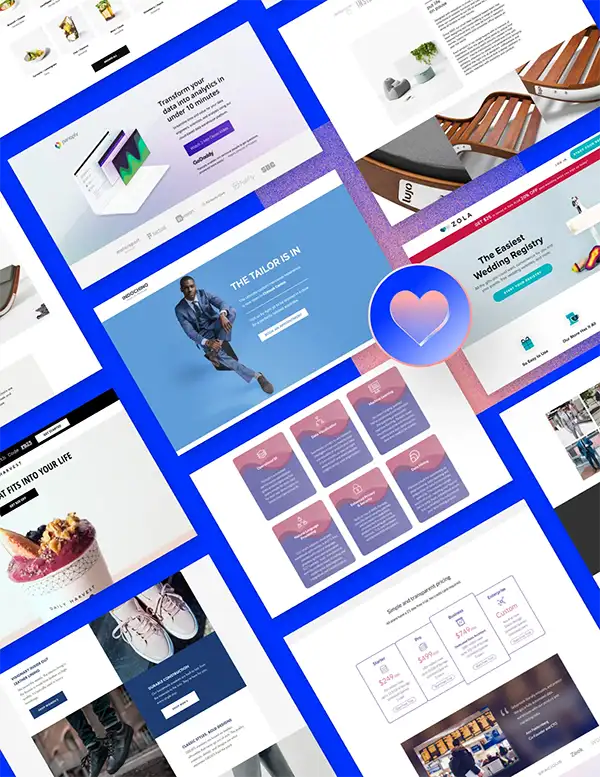
An ad sparks curiosity, but the landing page captures the lead. If the page fails to match the ad’s promise, prospects lose trust quickly. Consistency across messaging matters at every stage.
Keep the page as simple as possible and centered on a single objective. Make use of short forms that only request essential information. Get rid of distractions that pull attention away from the primary call to action.
A seamless transition from ad to landing page significantly increases conversion rates and strengthens the next stage of your funnel.
Display ads extend your reach beyond search results. They appear on websites your target audience already visits. This exposure builds familiarity gradually over time.
Even if a user does not click right away, consistent visibility of your brand reinforces your name. When they do decide to buy or sell later, they recognize and recall you.
Familiarity lowers hesitation and increases the likelihood of inquiry. Awareness campaigns support long-term growth rather than short bursts of attention.
Retargeting focuses on users who previously visited your website. These individuals have already demonstrated interest in your service or listings. Following up with relevant ads keeps your brand visible during their decision process.
This works because it leverages prior exposure. Prospects recognize your message and feel a sense of continuity.
This encourages them to return and move on to the next step of the process. Retargeted visitors usually convert at higher rates than first-time viewers.
Did You Know?
Users only spend about 10 seconds on a website before leaving if they don’t connect to the message.
Digital advertising also provides measurable insights for analysis. Click-through rates, conversion percentages, and cost per lead offer clear feedback and data about the performance of the campaign.
Reviewing these numbers regularly assists you in refining current and future campaigns effectively.
Avoid reacting impulsively to minor changes. Instead, analyze patterns over several weeks. Adjust headlines, images, or targeting gradually based on consistent data.
Measured optimization produces steady improvement and reliable lead flow. Data-driven decisions support sustainable growth.
Different audiences require distinct messaging. A person searching for luxury properties expects a different tone than a first-time buyer. Aligning content with intent increases engagement significantly.
Create campaigns personalized to each segment. Highlight unique features and solutions that match their stage in the buying or selling journey.
Matching intent strengthens relevance and improves the quality of incoming leads, building credibility at every touchpoint.

Video ads capture attention quickly and provide context in seconds. Short property tours, local market updates, or quick tips create immediate interest. Visual storytelling adds depth to your digital strategy.
Keep videos focused on a single topic, maintaining interest. Clear narration and balanced visuals improve retention. A video complementing an existing search campaign strengthens brand recognition. When people see you on screen, they recognize your brand, increasing familiarity and trust.
Lead generation represents only the first step. Prompt follow-up determines if a prospect advances deeper into your funnel. Digital platforms notify you instantly when someone completes a form.
Respond quickly with personalized communication. A timely response shows professionalism and attentiveness.
Consistent follow-up nurtures interest and keeps conversations active. Strong follow-up habits transform initial clicks into scheduled consultations and signed agreements.

Every campaign serves different goals. Search ads capture immediate intent, display ads create awareness, and video campaigns build engagement. Balanced spending amongst all support steady lead flow.
Allocate budget thoughtfully based on objectives. Monitor performance and shift funds toward high-performing segments gradually. Avoid placing all resources into one format.
A diversified strategy keeps your funnel stable even when individual campaigns fluctuate.
Credibility influences how prospects perceive your ads. Clean design and professional presentation communicate reliability. Prospects judge quality within seconds of viewing your content.
Maintain consistent branding across ads, landing pages, and social profiles. Clear contact details and transparent messaging reinforce trust. Positive online reviews and testimonials add further credibility. When your digital presence feels organized and dependable, leads feel more comfortable reaching out.
Digital ads create powerful entry points into your real estate funnel when guided by structure and intention. Clear targeting, relevant messaging, strong landing pages, and consistent follow-up strengthen every stage.
Smart strategies such as Google Ads for real estate leads deliver consistent results when aligned with a proper structure, design, and thought. A disciplined approach towards digital advertising builds visibility, nurtures trust, and creates long-term growth in a highly competitive market.
Ans: Yes. Use multi-vendor extensions like Webkul, Shipturtle, or Shopify Marketplace Connect to convert existing single-vendor platforms.
Ans: Zero inventory holding costs, faster expansion of product catalogs, diversified revenue streams (commissions), and increased site traffic.
Ans: Use dedicated marketplace software to create a seller registration page, a frontend dashboard for sellers to manage their own products, and an admin panel for approval workflows.
