
To monitor property, outdoor security cameras are critical. But the question is, will they work even when there is no Wi-Fi or power available? Well, in some cases, yes. Various camera types offer solutions, thanks to advanced technology, which lets devices function independently without relying on constant internet and electricity.
The safe storage of footage is guaranteed by storage options like microSD and systems like NVR or DVR. Selecting the ideal camera for continuous, even offline, surveillance is made easier with an understanding of these technologies. We will investigate the alternatives to Wi-Fi and power dependence, including recording and setup options, to ensure a seamless and dependable off-grid surveillance system.
Let’s grasp every feature and aspect one should consider by reading this article until the end!
KEY TAKEAWAYS
- Local storage, HomeBase, NVR, etc. are some features that help cameras record without Wi-Fi connections.
- Check out how cameras can function without using direct power supply.
- Compare the offline vs online that can redefine your experience with a surveillance camera.
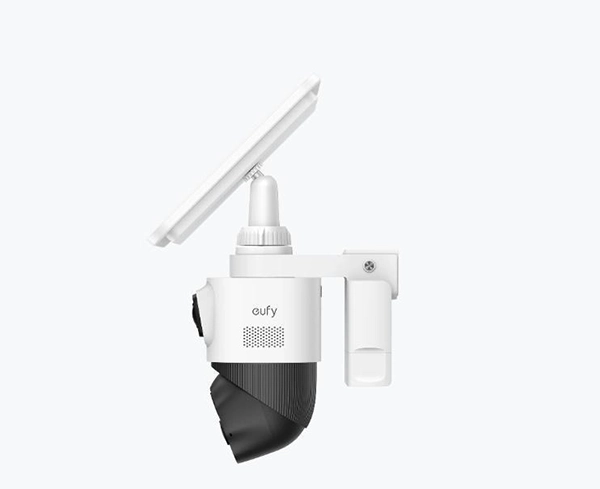
We all know how essential it is to have a surveillance device that can capture footage 24/7 without depending on other networks. Take a look at the features that make it possible:
Outdoor cameras use microSD cards or built-in memory to store footage locally. Some types of cameras enable users to work without the use of Wi-Fi. When recording begins, the recorded video is saved directly to the camera’s internal storage or an attached memory card.
Users can retrieve and view the footage by removing the microSD card or connecting the camera to a computer. For locations that do not have Wi-Fi availability, these types of cameras are excellent, as they allow for the capture of critical footage even in an area where there may not be Wi-Fi.
Although local storage may limit remote access, it offers a dependable solution for capturing and storing video in off-grid conditions.
For more comprehensive storage solutions, consider using HomeBase, NVR, or DVR systems. These devices store footage from multiple cameras, effectively serving as a local network setup.
Cameras designed this way connect directly to video recorders, allowing users to record and store data directly onto the hard drives of the camera’s video recorder. Many of these types of cameras can be used without Wi-Fi at all, which enables a user to record an extensive amount of footage.
While this may require a more complex installation process, it offers robust recording capabilities, making it ideal for home security without relying on internet services.
Besides direct power, other alternatives also work to make cameras run smoothly. These mainly include battery, solar, and wired connections.
Battery-powered cameras offer versatile and easy installation options, free from power cables. Rechargeable battery cameras may be placed anywhere on the property as there are no electrical connections required to use them. Many models have extended battery lives, ranging from several months to a year, depending on usage.
These cameras provide the user with flexibility when selecting monitoring locations. They can be used to monitor an entrance to a driveway or the back corner of a property. Though they require occasional maintenance for battery replacement, they provide a convenient solution for uninterrupted surveillance.
Most renewable battery systems allow users to continuously charge their batteries using solar energy. Thus, they are suitable for long-term installations in sunny climates. These cameras convert sunlight into energy, enabling perpetual operation without traditional electrical sources.
It’s essential to position solar cameras where they receive optimal sunlight, ensuring consistent power. Combining solar panels with battery backup provides dual assurance of reliability, especially valuable for monitoring isolated areas like barns or farms.
Power over Ethernet (PoE) wired systems provide the user with the most stable connection for both power and data through a single cable. PoE systems guarantee continuous operation, making them suitable for locations demanding persistent surveillance.
Wired setups involve intricate installations, but once established, they provide reliable and uninterrupted monitoring. These types of cameras are recommended for properties that require the highest level of security and constant monitoring of activities. They provide an uninterrupted video recording experience regardless of the weather or time of day.
Live view, motion alerts, and 24/7 recording are some features that can change your whole experience. Marking these points, compare offline vs Online features here:
Offline cameras may restrict real-time viewing and remote access. This limitation arises because live feeds generally require internet connectivity for transmission to smartphones or computers.
While there are advanced models that offer connectivity while offline, “standard” offline cameras typically require direct connections to view and access recorded footage. Users need to adapt to checking footage discreetly without instant access to current views, although this can be managed with regular physical checks and local retrieval methods.
Smart detection features can operate without Wi-Fi by storing triggered alerts locally. When it detects motion or activities, an offline camera records events internally or via HomeBase and DVR/NVR setups.
Important activity and movement taking place around the monitored area will not be missed by these types of cameras. Technologies like motion sensors, infrared, and PIR help capture details efficiently. While alerts won’t be immediately sent to smartphones, reviewing stored footage allows users to track detected activities effectively.
Outdoor cameras typically offer two recording modes: motion-based and continuous recording. Capturing clips when movement is detected. It’s efficient for areas where activity is sporadic, as motion-only recording conserves storage and battery.
On the other hand, 24/7 recording, often seen with PoE or wired cameras, ensures comprehensive coverage. This product is optimal for high-security environments that necessitate comprehensive documentation. Choosing between these modes depends on specific security needs, balancing energy usage and storage efficiency.
If you are looking for a specific camera feature, you must check out the camera types presented below:
For areas far from conventional infrastructure, 4G LTE cameras utilize cellular networks to stream and store footage. These cameras are invaluable for large properties, construction sites, or rural setups needing real-time monitoring without Wi-Fi.
By offering flexibility and reliable coverage across expansive regions, they work by transmitting data through mobile networks. Monthly data plans may be required, but the ability to access footage remotely from distant locations is a key advantage.
Trail cameras cater specifically to outdoor enthusiasts and wildlife monitoring. With advanced detection systems, they capture high-quality images and videos using motion-activated sensors.
These cameras are engineered to withstand unfavorable conditions and retain data locally, rendering them ideal for the surveillance of vast areas without internet connectivity or the monitoring of wildlife activities. They are easy to install in strategic positions, offering long battery life and efficiency at capturing movements across open fields or wooded areas.
The integration of battery-operated cameras and solar panels offers a sustainable security solution for the vigilance of strategic properties, such as gates or farm stations. These arrangements guarantee continuous power generation, thereby decreasing dependence on electrical sources.
The dual energy option supports long-term unattended operations, crucial for vast locations needing steadfast security solutions. Ideal placement ensures solar exposure and effectiveness, making them economical for off-grid surveillance without constant maintenance demands.
Before purchasing ahead, keep some aspects in your subconscious mind. Here is how and what you must consider.
A camera’s storage type is one of the most important factors to consider when choosing the camera itself, as the way you’ll be able to review footage depends greatly on how the information is being stored. The individual storage solutions available for cameras are based on their designs.
This includes the use of micro SD cards, built-in memory, or the use of NVR or DVR systems. Micro SD cards and built-in memory allow users to retrieve data at their convenience. NVR/DVR systems create an environment where users have central control over data storage.
When selecting a camera, consider what type of archival system you require, or if you need to store footage in archives, choose the option which is best suited to how you will manage and access recorded footage.
If a camera is an outdoor camera, it must have a high weather rating in order to resist elements such as rain and dust. Consider the temperature range of your camera and verify that it will perform efficiently in your climate.
Consider the location in which the camera will be placed. If the camera is mounted too low, then the odds of tampering with it are high, and conversely, if mounted too high, it may miss detecting motion.
When selecting a camera, think about two main characteristics of the camera: field of view and night vision. Are both the field of view and the night vision capabilities sufficiently strong to ensure your property is adequately covered? Consider this for both day and night and under all lighting conditions.
This way, you make sure to have the appropriate camera for the job. The wide-angle lenses will provide maximum coverage; hence, if your camera has a good night vision capability, you will be able to acquire excellent night footage.
Follow these tips to effortlessly set up reliable off-Grid performance.
Place cameras where solar panels have sufficient sunlight exposure and motion sensors effectively cover desired areas.
Avoid shadows for optimal solar charging and position sensors aimed at entry points or high-traffic locations to enhance detection accuracy. These strategic placements maximize energy generation and surveillance effectiveness.
Position cameras to minimize interference from wind or foliage, reducing false alerts. Adjust settings to tweak sensitivity levels, focusing on relevant activities, preventing resource waste with unnecessary recordings.
Tailoring detection ensures precise alerting and data storage, addressing only important movements.
Mount cameras securely, using tamper-proof installations to deter theft. Use protective casing to safeguard against weather and damage, ensuring longevity.
For wireless models, position for optimal signal reception to avoid connection errors, maintaining seamless operation and reliable footage access.
The outdoor security cameras can effectively function without Wi-Fi or power, offering various solutions for different environments. Battery, solar, and wired options give flexibility & reliability. Additionally, storage, such as Micro SD or DVR, keeps track of data capture continuously without interruption.
Limiting or maximizing monitoring capability is based on how much you know about the offline features. So, you can build strong security with different types of cameras and setups. This allows for maintaining vigilance if you are using a remote setup without standard infrastructure.
Choosing the correct camera specifications to meet your needs will allow you to continuously monitor your environment in any location.
Ans: Yes, cameras can record footage to local storage devices such as a built-in microSD card, a DVR, or an NVR without an internet connection.
Ans: Footage can be viewed locally by physically removing the storage device and inserting it into a computer, or by connecting a monitor directly to the NVR/DVR.
Ans: Yes, many modern outdoor cameras are operating on rechargeable batteries or sustainable power sources like solar panels.
