
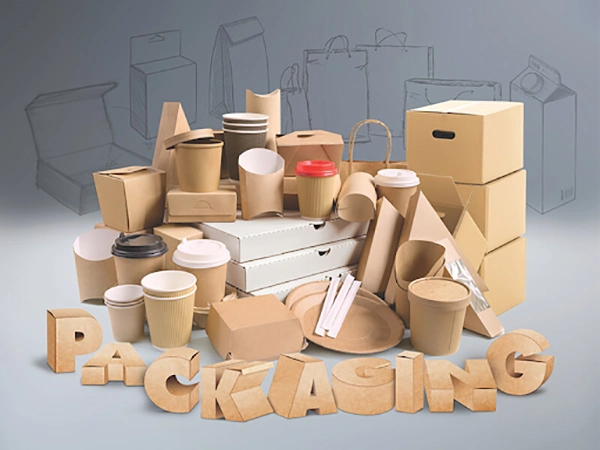
In today’s crowded marketplace, small brands face the difficult task of capturing attention and building lasting connections with customers. While product quality still takes centre stage, packaging has become a unique storytelling tool, shaping perceptions even before a box has been opened.
Packaging reflects the personality and mission of a brand, communicating values and creating memorable experiences. Investing in custom packaging labels early can help brands stand out and connect with their audience emotionally.
This article highlights the importance of thoughtful packaging and how it elevates the product inside, signalling quality, care, and credibility.
Key Takeaways
- Packaging improves first impressions and affects consumer behaviour as a better design drives up product recognition
- The packaging can be made effective by focusing on four key elements, improving how customers perceive the brand
- It is the most cost-effective way a brand can increase its popularity and sales amongst buyers, edging out competitors
- Real stories that show the strong impact of how an improvement in packaging benefits a company
First impressions are crucial. When a customer sees a product on a shelf or in an online store thumbnail, packaging is often the first point of contact. Visually appealing designs can instantly communicate professionalism and value.
But packaging does more than catch the eye; it supports branding and positions the product within a category.
Packaging also affects consumer behaviour. A strong package design can very well increase product recognition by a significant margin, meaning customers are more likely to recall and repurchase a product that resonates with them.
For small-scale brands working with a limited marketing budget, packaging becomes a cost-effective and easier way to improve brand awareness and encourage repeat sales.
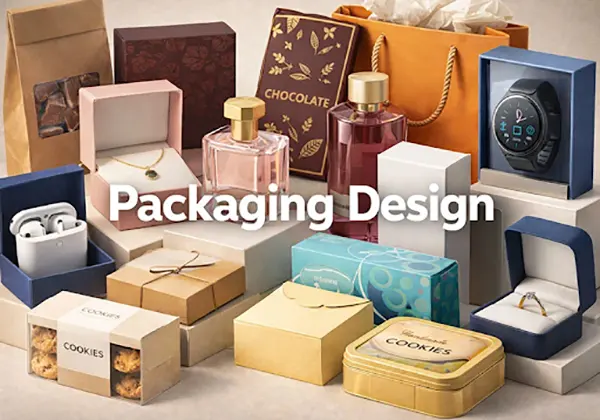
Thoughtful packaging consists of four key elements, and understanding these factors can greatly affect how a brand is perceived in the eyes of its customer base and future potential buyers.
The key elements are:
Your choice of colours, fonts, and imagery sets the tone for your brand. Bold, clean designs often work well for modern brands, while hand‑drawn illustrations and earth tones appeal to niche or artisanal markets.
Clear, engaging text and messages on packaging explain what makes your product unique. A brand’s USP (unique selling proposition) sets it apart from competitors, and making the customers aware of that increases the product sales of a business.
Good packaging always protects the product while also offering convenience to the buyers. Using resealable tops, easy-to-open boxes, or compartments for multi-piece products shows customers the care and thought put behind every decision of a company.
Providing them with ease of access to carry the item makes the brand appear more premium in the eyes of the customer, greatly affecting the chances of resale.
Eco‑friendly materials are increasingly important. A study by IBM and the National Retail Federation found that more than 70 per cent of global consumers are willing to pay a premium for sustainable packaging.
Using recyclable, compostable, or reusable materials can boost your brand’s appeal among conscious buyers.
Fun Fact
The first food packaging, made from processed mulberry bark, was used in China around the 1st or 2nd century.
Various small to medium brands have seen transformative results by prioritizing packaging. A local jam company, for example, redesigned its labels to reflect its community roots and natural ingredients. Within six months, social media engagement increased by 40%, and shelf placement requests from retailers doubled.
Another example is a boutique tea brand that used minimalistic packaging with clear, readable fonts and earthy colours. Customers commented on how the packaging clearly reflected the brand’s authenticity and calming identity, thereby leading to much higher sales than before and stronger word-of-mouth referrals.
Thoughtful packaging is not an expense. It’s an investment in your brand’s identity and customer experience. By combining strong visual design, clear messaging, functionality, and sustainability, small brands can create meaningful connections that drive loyalty and growth.
When packaging tells a compelling story and aligns with what your audience values, your product becomes more than an item. It becomes part of a memorable brand journey.
