
A software egg can be simply explained as the dependencies or a container that consists of components required for the functioning of the application, such as code libraries, APIs, and configuration files.
In addition to enhancing the efficiency of the developed application, it helps in streamlined resource utilization. However, continue reading the article below to analyze its key components and where these are used in the development cycle.
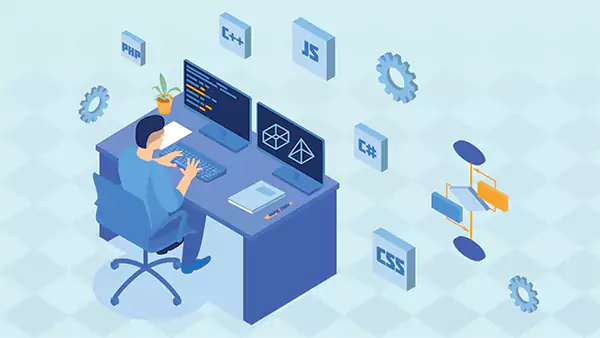
A software egg is a container that includes all the dependencies required to run an application, such as libraries, system settings, configurations, and code files.
Alternatively, a software Easter egg refers to hidden or exclusive games, features, messages, jokes, or secret menus accidentally placed in a particular program by its developers.
While these contribute to the efficient development of a Knowledge Base Software or other digital platforms, they also provide a stable ecosystem that enhances adaptability, accessibility, and the user experience.
Also Read: What is Proprietary Software? Features, Benefits, Types of Licensing, and the Future Ahead
From code libraries and frameworks to configuration files and execution scripts, these are the primary components or external frameworks required for efficiently building a speed-optimized program.

As you have gained an understanding of what is software and software eggs, let’s have a look at how they are used in building software and how they work to increase the operational efficiency and reduce overall development time.
Also Read: Top Quality Management Software You Must Know About

Software Easter eggs are different from software eggs, which stand for the undocumented or hidden features, jokes, animations, or games that are unintentionally placed in an application. To understand them in detail, check out a few tested examples below:
However, to play this game, simply open Microsoft Edge and type edge://surf into the address bar. You can use your mouse or the arrow keys on your keyboard to play this internal browser game.
Subsequently, you just need to press the spacebar to start and play the dinosaur game by using this command to jump over cacti to score.
To access this hidden page, type about:mozilla in the address bar at the top, and it will open an animated page with the title “from The Book of Mozilla”.
While software eggs deliver prominent benefits of reducing the time required to build the applications, while providing the flexibility to work on specific components, it also possesses certain limitations and vulnerabilities.
Read out the complete table below to analyze its pros and cons and how it affects the development cycle.
| Pros | Cons |
| The primary benefit of these software eggs is their ability to deliver efficient applications quickly by reducing overall development time and accelerating time-to-market. | As it is crucial to add dependencies from trusted sources and run vulnerability scans regularly, failing to perform these tasks can cause security concerns. |
| Shared code libraries, frameworks, and API interfaces help reduce workload by enabling code reuse and lowering the need for custom solutions. | Incorrect configurations are prone to breaking systems and entire code libraries, and can cause downtime of the developed application. |
| These dependencies give you the flexibility to customize the application and work on specific components without disrupting the entire architecture. | While using these external components eases application building for developers, it can also cause bugs, and tracking those bugs becomes difficult due to the lack of transparency. |
| Reliability complemented by easier access to complex systems is among the prominent benefits offered by software eggs. |
Also Read: 42 Employee Engagement Software Tools for Every Type of User: From Beginners to Advanced!
A software egg is the associated libraries and required packages essential for the application development. While you can use these to streamline the complex and redundant tasks, they also serve the purpose of faster deployment and onboarding.
Apart from enhancing the portability and consistency, it acts as the primary tool for building secure, isolated, and modular applications.
Ans: A software Easter egg is a common term that refers to the hidden features, messages, games, jokes, or secret menus present in an application that is accidentally placed by the original developers.
Ans: It is a container or environment that holds all the dependencies required for the smooth performance of an application or software. As it includes code libraries, frameworks, configurations, and code files, it helps maintain consistency and enables rapid debugging.
Ans: The core components include language runtimes, system libraries, code libraries, frameworks, execution scripts, configuration files, and third-party API interfaces.
Ans: The security of these components depends on the proper execution and optimal preventive measures that developers take during the development phase, as it is crucial to use verified dependencies and conduct frequent security scans.
