
PTZ (Pan-Tilt-Zoom) cameras provide dynamic surveillance capabilities, prompting the question of whether they can replace multiple fixed cameras in security configurations.
PTZ cameras, which can move and zoom, cover larger areas and adapt to changing surveillance needs, potentially reducing the number of fixed cameras needed. However, before deciding, it is critical to understand their applications, benefits, and limitations.
This blog delves into the scenarios in which PTZ cameras excel, their limitations, and how combining them with fixed cameras can improve security systems.
Let’s begin!
Key Takeaways
- Uncovering scenarios where PTZ cameras reduce the need for many fixed units
- Looking at the limitations of these utilities
- Exploring some hybrid strategies and why fixed cameras still matter
- Understanding the strategic placement
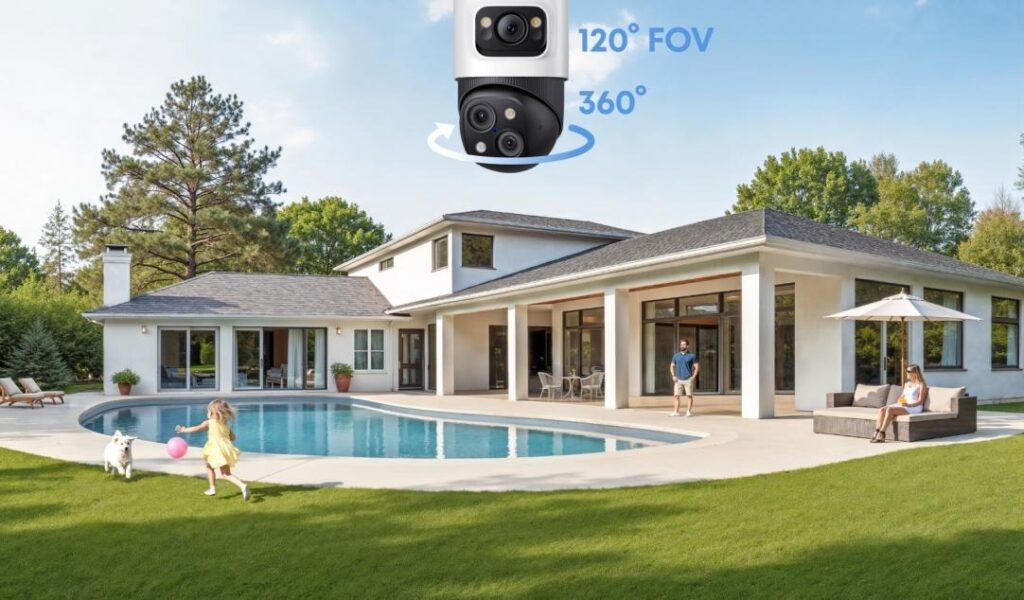
Now, to start things off, we will explore how these camera systems fulfill the need in a limited range and reduce the requirement for fixed units.
A single PTZ security camera can monitor expansive areas that typically necessitate numerous fixed cameras. The ability to pan horizontally and vertically, coupled with zoom control, allows operators to follow movements across large spaces, such as parking lots or open fields, without blind spots.
PTZ cameras offer more comprehensive coverage than a single fixed camera by manually adjusting their focus or using automated patrols. This functional versatility makes them ideal for situations requiring dynamic and adaptable surveillance, eliminating the need to deploy multiple fixed units with limited field of view.
Interesting Facts
Modern PTZ cameras can use AI-powered motion detection to automatically follow people or vehicles without needing an operator.
Optical zoom functionality in PTZ cameras allows for capturing detailed images from afar, offering clear visuals without needing additional cameras for closer inspection. This capability is particularly advantageous in identifying specific objects or individuals at a distance, enhancing the utility of surveillance systems in monitoring sensitive areas or venues.
The precision offered by optical zoom ensures high-quality images, enabling security personnel to conduct thorough investigations without physically repositioning cameras or installing more units. Such efficiency is pivotal in maximizing resources and maintaining high surveillance standards.
PTZ cameras can be programmed for preset patrols, automating their movements across predefined paths or areas, providing regular scanning of a location without manual intervention. Additionally, smart tracking features allow these cameras to follow moving objects or individuals based on predefined algorithms.
This adaptability increases efficacy in real-time monitoring of dynamic environments like airports or malls. PTZ cameras ensure comprehensive surveillance by reliably tracking and recording movements, reducing the need for numerous static cameras in fluid environments, and improving security operations with intelligent solutions.
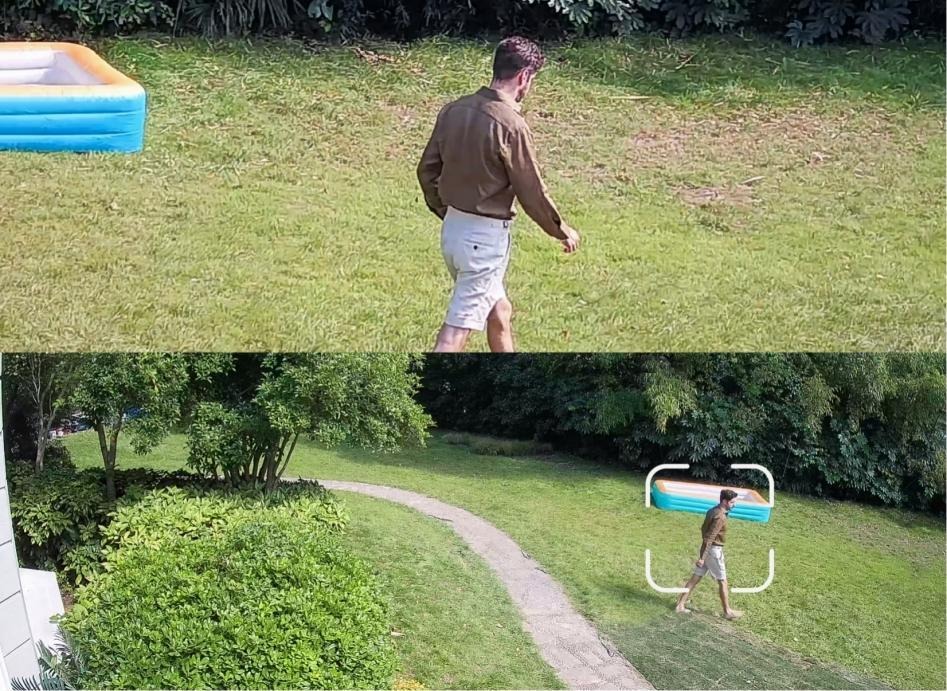
PTZ (Pan-Tilt-Zoom) cameras provide versatile coverage and can capture a large area, but they are unable to maintain their productivity in some complex situations. Let’s take a look at them:
While PTZ (Pan-Tilt-Zoom) cameras offer versatile coverage and can capture a wide area, they are unable to maintain a continuous view of a single location when actively moving or switching between different targets. This can pose a challenge in situations where consistent observation of a specific area is crucial.
Fixed cameras become indispensable in these cases, providing uninterrupted surveillance. Certain high-risk areas, such as entrances or sensitive zones, necessitate continuous monitoring. Fixed cameras ensure that any movement or activity in these areas is constantly recorded, ensuring consistent and dedicated observation with no gaps.
The flexibility of PTZ (Pan-Tilt-Zoom) cameras can sometimes create coverage gaps, especially when focusing on specific subjects or areas. As the PTZ camera zooms in on a particular point of interest or follows movement, other parts of the environment may be left unmonitored temporarily. This limitation highlights the need for fixed cameras strategically placed at key locations to ensure continuous surveillance.
In situations requiring comprehensive monitoring, fixed cameras’ consistent coverage becomes critical. Fixed cameras, which complement PTZ systems, help to eliminate potential surveillance gaps, resulting in more reliable overall coverage.
They might be used in only some limited areas, but if you are technical and creative enough, you can curate some hybrid strategies around them to make them effective beyond your expectations.
To ensure optimal surveillance, combining the versatility of PTZ cameras with the reliability of fixed cameras is often considered the best strategy. Fixed cameras are ideal for continuously monitoring critical areas, providing consistent and uninterrupted coverage, while PTZ cameras excel at offering broader area scans and dynamic, real-time adjustments.
The multi-purpose approach allows the security monitoring team to analyze every area in detail by leveraging the unique strengths of both camera types across different scenarios. The result is a cohesive, efficient system where PTZ cameras provide flexibility and adaptability, while fixed cameras guarantee constant, reliable observation.
Effective security requires strategically placing cameras at entrances and high-risk zones to ensure optimal monitoring. Fixed cameras should be placed to monitor areas that require constant surveillance, such as entry points, hallways, and sensitive areas. PTZ (Pan-Tilt-Zoom) cameras, on the other hand, are ideal for monitoring high-traffic or constantly changing environments in larger spaces or common areas.
By carefully deploying both types of cameras, operators can maximize surveillance efficiency, ensuring that critical areas receive focused attention while still providing broad coverage to monitor larger spaces with flexibility.
PTZ cameras bring impressive versatility and dynamic monitoring capabilities to the table, reducing the reliance on numerous fixed cameras in some scenarios. However, fixed cameras remain invaluable for constant observation needs and ensuring comprehensive coverage without gaps.
Combining both types of cameras results in more efficient security systems. Understanding each type’s strengths and limitations enables intelligent deployment strategies that provide robust surveillance solutions, adapt to changing environments, and effectively address specific security challenges.
Ans: They capture extended areas with better flexibility.
Ans: PTZ cameras are more expensive and less durable than fixed solutions.
Ans: The four main types of security cameras, based on form factor, are Dome, Bullet, Turret, and PTZ (Pan-Tilt-Zoom).
